


Trending Now
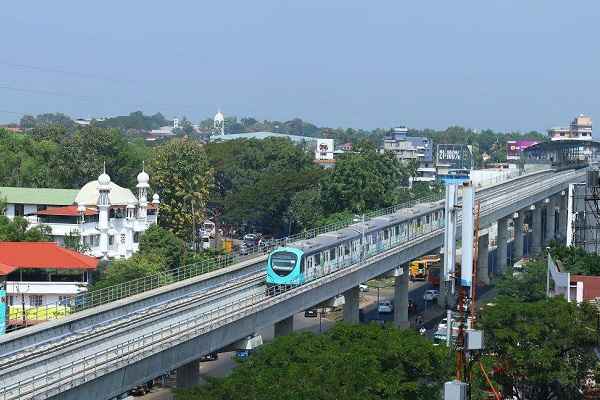 Siemens wins ₹91.65 crore Telecom Contract for Kochi Metro Phase 2 Pink Line
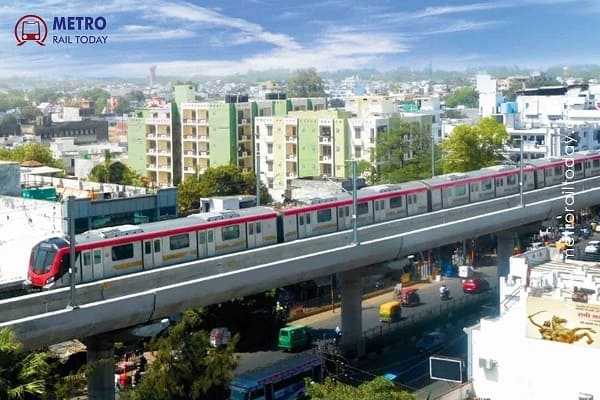 GHV Infra wins ₹150 crore Civil Contract for Vasantkunj Depot of Lucknow Metro East-West Corridor
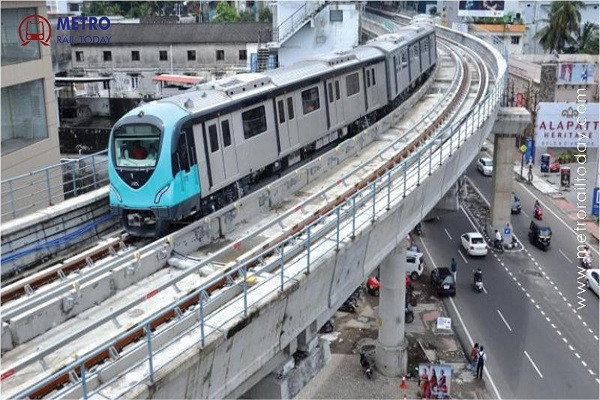 Texmaco Rail wins ₹130 crore Track Contract for Kochi Metro Phase 2 Pink Line
 Indian Railways unveils Alignments and Routes of four new High Speed Bullet Train Corridors
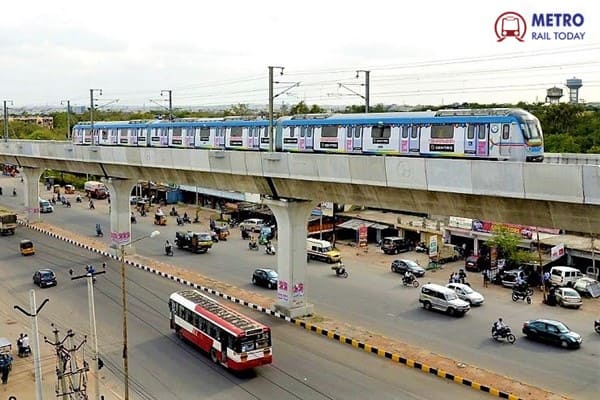 Telangana pushes for approval of ₹38,595 Crore Hyderabad Metro Phase-II Expansion
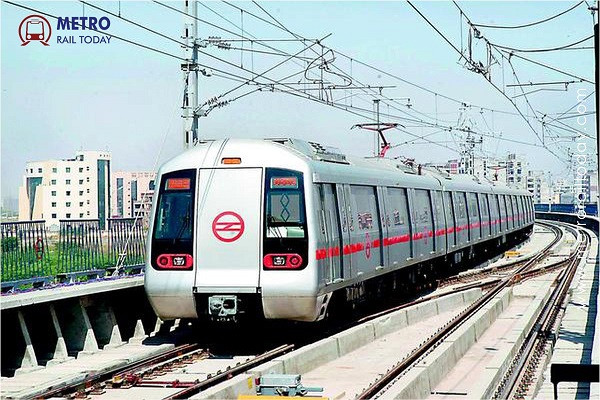 Boston Consulting Group appointed to prepare 10 years Corporate Plan for Delhi Metro
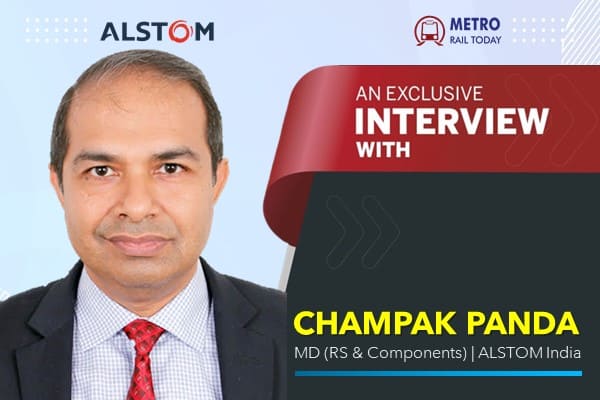 Exclusive Interview with Champak Panda, Managing Director, Rolling Stock & Components, Alstom India
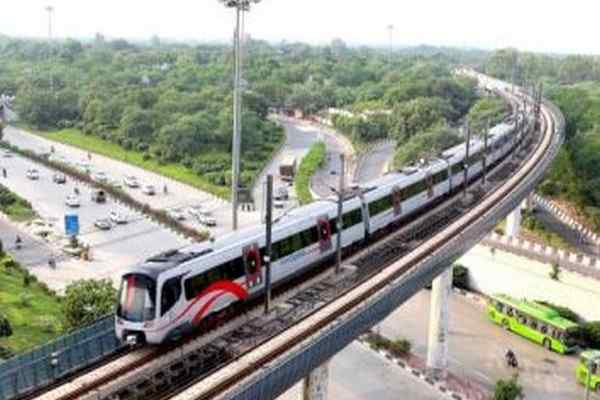 Delhi Metro invites Expression of Interests to manufacture Platform Screen Doors in India
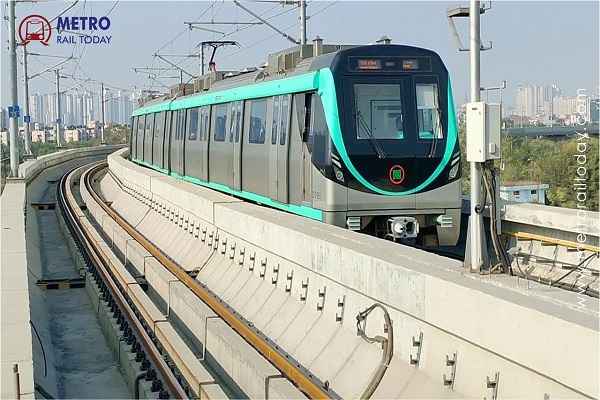 NMRC to appoint General Consultant for Noida-Greater Noida Aqua Line Metro Expansion
- NHSRCL launches Five Heavy Portal Beams on Mumbai-Ahmedabad Bullet Train Project
Chennai Metro to invest ₹4,200 crore to upgrade MRTS after merger in 2026
MRT Online Desk
Posted on: 2025-12-15 07:20:00
Viewer: 2,425
Comments: 0
Country: India
City: Chennai
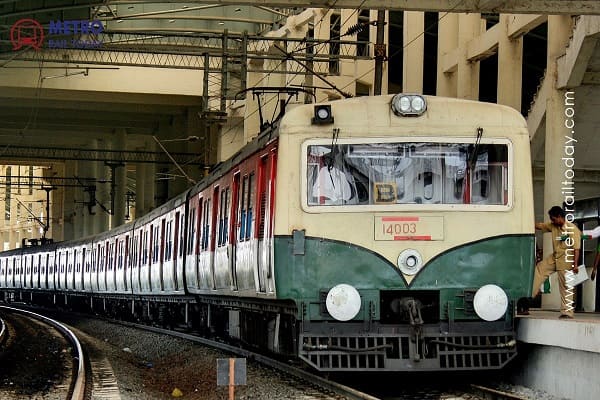
Chennai, India (Metro Rail Today): The long-awaited Memorandum of Understanding (MoU) for Chennai Metro Rail Limited (CMRL) to take over the Mass Rapid Transit System (MRTS) is now expected to be signed in January 2026, according to official sources. The agreement, initially targeted for December 2025, has been delayed as the Tamil Nadu government and Indian Railways continue discussions to finalise operational, financial, and asset-transfer details.
Officials indicated that additional time is required to reach a comprehensive consensus with the Railways, particularly on cost-sharing, asset valuation, and the scope of modernisation works.
If the State government decides to upgrade the entire Chennai Beach–Velachery MRTS corridor to Chennai Metro standards, the estimated cost could be around ₹4,200 crore. However, officials clarified that the final takeover cost is yet to be determined and will depend on the extent of system replacements and infrastructure upgrades required.
Key elements under assessment include:
-
Track and civil infrastructure condition
-
Signalling and telecommunications systems
-
Power supply and traction equipment
-
Station structures and passenger amenities
World Bank Funding, New Rolling Stock Planned
CMRL officials confirmed that discussions are underway with the World Bank to secure funding support for the MRTS takeover and modernisation project. As part of the transition plan, CMRL is also preparing a tender for procurement of 25 new three-coach, air-conditioned trainsets.
However, these tenders will be floated only after the MoU is formally signed with Indian Railways.
CMRL has already prepared a preliminary assessment report identifying urgent repair needs and station upgrade requirements along the MRTS corridor. The report highlights:
-
Structural repairs at select stations
-
Upgradation of station facilities
-
Improvements in passenger safety and accessibility
Once the MoU is executed, CMRL plans to appoint a Project Management Consultant (PMC) to prepare a Detailed Project Report (DPR). This DPR will clearly define the scope of modernisation works, following which construction and renovation tenders will be issued.
Proposed Tamil Nadu Rail Development Corporation (TNRail)
The Chennai Unified Metropolitan Transport Authority (CUMTA), which is overseeing the MRTS takeover process, has proposed the creation of a dedicated rail infrastructure body—Tamil Nadu Rail Development Corporation (TNRail).
The proposed entity would be responsible for implementing and managing major rail projects in the state, including:
-
MRTS–CMRL integration
-
Future suburban and regional rail initiatives
-
Coordination between state and central agencies
Commenting on the proposed integration, Mrs. Mamta Shah, MD & CEO, Urban Infra Group, said: “The integration of MRTS with Chennai Metro is a critical step toward unified, passenger-centric urban rail systems. Upgrading legacy corridors to modern metro standards will significantly enhance safety, reliability, and commuter confidence while unlocking better multimodal integration across Chennai.”
The MRTS takeover is expected to improve operational efficiency, enhance passenger experience, and enable seamless ticketing and service integration with Chennai Metro. Once completed, the merger will mark a major milestone in Chennai’s journey toward a fully integrated urban rail network.

MRT Online Desk
Metro Rail Today is an authentic and global news provider for the Rail & Metro industry from and around the world.