

Trending Now
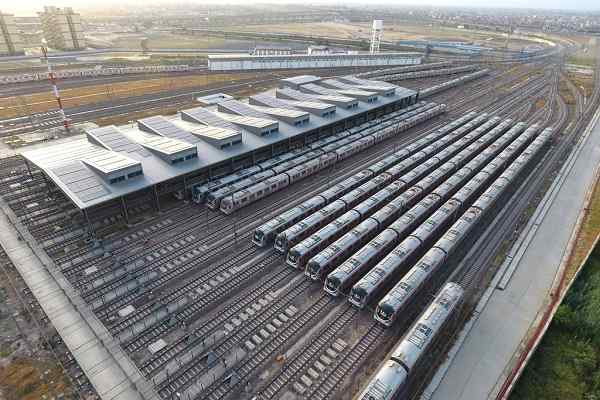 DMRC floats Tender for Central Vista Depot Design in Delhi Metro Phase V Expansion
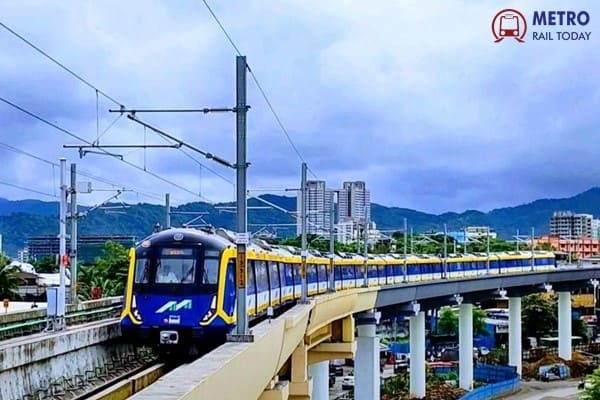 MMRDA seeks ₹14,100 Crore Loan for two upcoming Mumbai Metro Corridors
 Jupiter Wagons Eyes ₹20,000-Crore Mumbai Suburban Mega Rolling Stock Tender
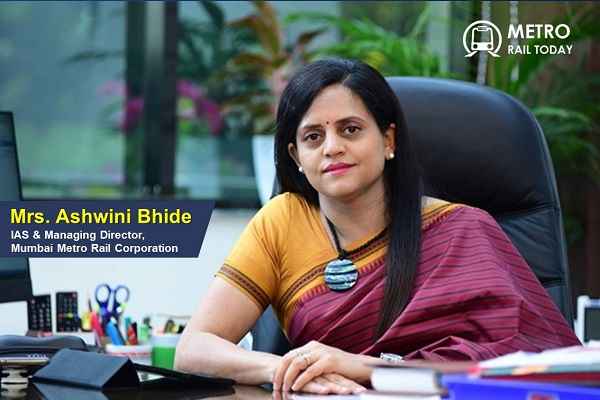 Mumbai Metro Chief Ashwini Bhide appointed as First Woman BMC Commissioner
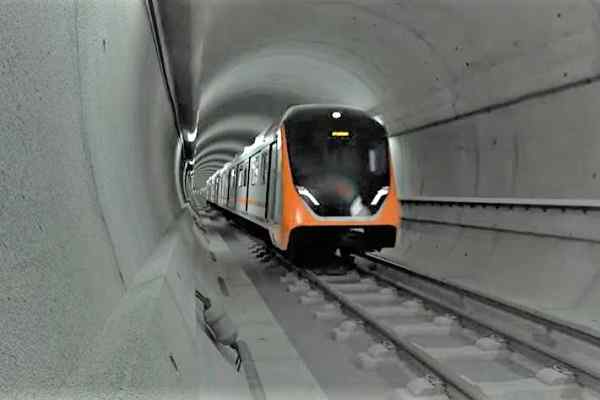 TBM ‘Parvati’ completes Underground Tunnelling on Kanpur Metro Phase 1 Project
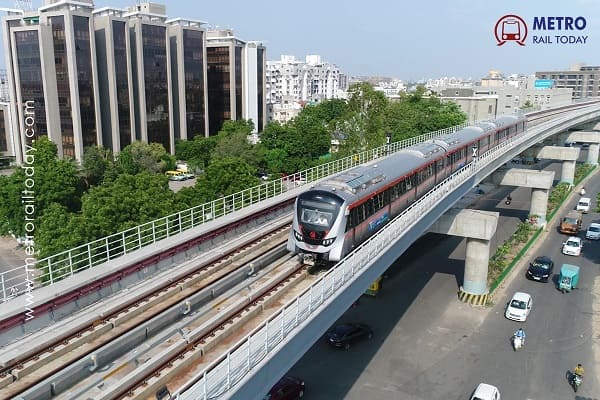 Surat Metro begins First Trial Run on 8.5 km Diamond Corridor between Dream City and Althan Tenement
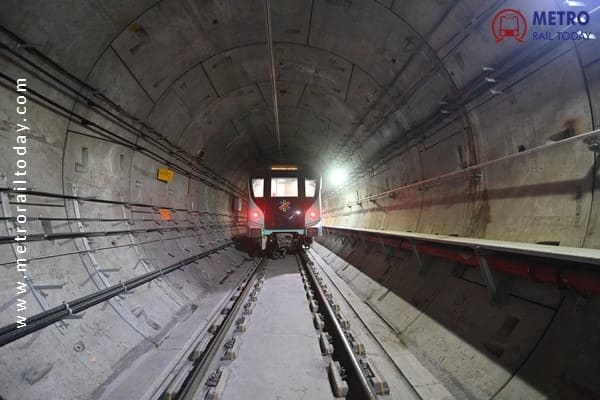 Cemindia wins ₹1,024 crore Civil Contract for Central Vista Tunnel Package of Delhi Metro Phase V
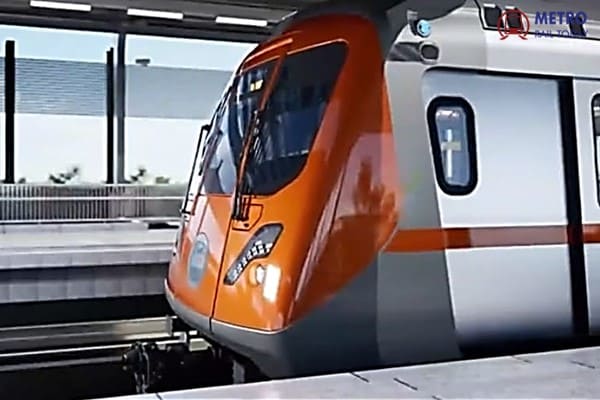 TBM ‘Durgavati’ begins tunneling works on Bhopal Metro Underground Stretch
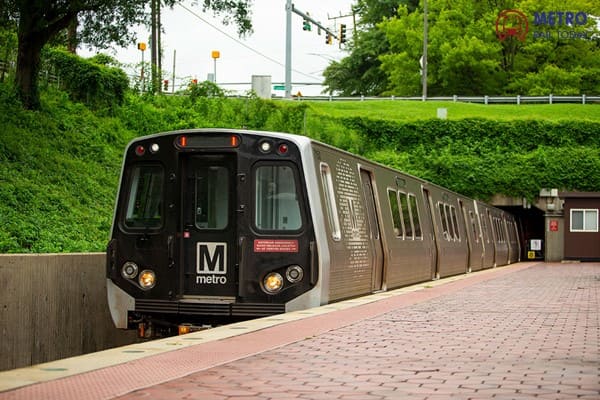 Washington Metro celebrates its Golden Jubilee—50 years of passenger service
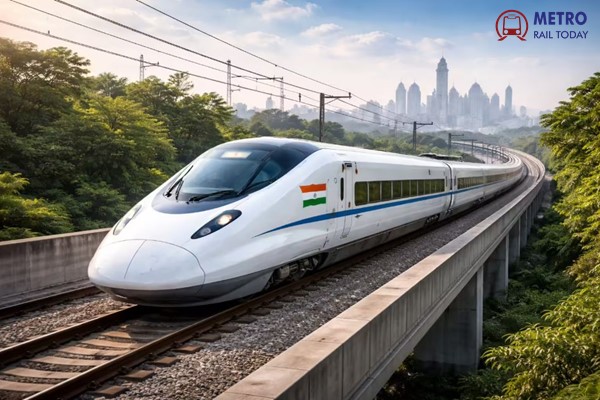 Two TBMs arrive in Mumbai for undersea tunneling on Mumbai-Ahmedabad Bullet Train Project
Kavach 4.0 Ushers in a New Era of Rail Safety Across India
Dr. Vinod Shah
Posted on: 2025-12-15 09:10:00
Viewer: 9,092
Comments: 0
Country: India
City: New Delhi
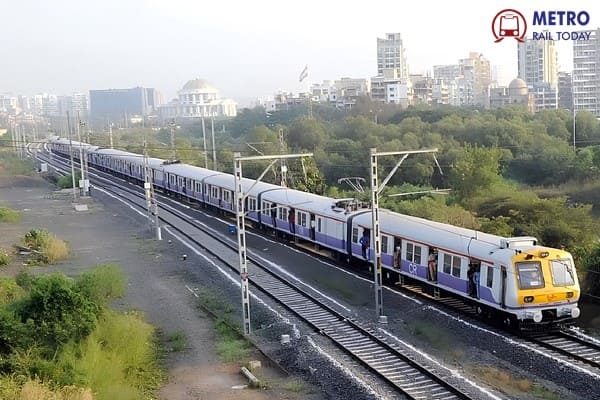
India’s railway safety framework is undergoing a decisive transformation with the accelerated deployment of Kavach 4.0, the country’s most advanced indigenous Automatic Train Protection (ATP) system. Designed to prevent train collisions and significantly reduce human error, Kavach 4.0 is emerging as a critical safety backbone as high-speed and semi-high-speed services such as Vande Bharat continue to expand nationwide.
According to the latest official data, 654 km of railway routes have already been equipped with Kavach, while over 2,800 locomotives have been fitted with the onboard system. This rapid progress reflects a major scale-up compared to earlier phases and is backed by extensive groundwork, including the laying of thousands of kilometres of optical fibre, installation of telecom towers, and large-scale upgrades to station and trackside infrastructure.
What Makes Kavach 4.0 a Game Changer
Kavach 4.0 marks a significant leap over previous versions of the system. It offers improved train positioning accuracy, faster and more reliable communication, enhanced signal information, and seamless integration with modern electronic interlocking systems. These features enable the system to automatically apply brakes if a train overshoots a signal, enters a restricted block, or faces a collision risk ahead.
Every element of Kavach 4.0—from locomotive-mounted equipment to trackside and station systems—operates in real time, ensuring safe and consistent train operations even under challenging conditions such as poor visibility or high traffic density.
Smarter Tracks, Stronger Monitoring
The rollout of Kavach 4.0 has also transformed trackside infrastructure. Along railway corridors, engineers have installed robust, weatherproof Kavach equipment boxes with clear labelling, ventilation grills, and indicator lights. Between the rails, compact sensor modules continuously feed live data into the system, while pole-mounted sensor units with digital meters provide an additional layer of monitoring.
Together, these components are turning railway corridors into intelligent, responsive safety zones capable of proactively managing risks.
“The accelerated deployment of Kavach 4.0 is a landmark step in India’s journey towards a world-class rail network. Indigenous safety systems like Kavach not only enhance passenger confidence but also demonstrate India’s growing capability to design and deploy complex, mission-critical railway technologies aligned with the vision of Viksit Bharat.”
Building the Future of Rail Safety
Each kilometre brought under Kavach coverage represents more than just technological progress—it translates into enhanced safety for millions of passengers and railway staff. As installations continue across high-density and priority routes, Kavach 4.0 is set to become the cornerstone of India’s modern rail safety architecture, reinforcing the country’s commitment to innovation, self-reliance, and passenger-centric rail operations.
With deployment gaining momentum, Kavach 4.0 is not just protecting trains—it is redefining the future of railway safety in India.


Dr. Vinod Shah
Dr. Vinod Shah is an experienced urban transport journalist, blogger and key opinion leader.