

Trending Now
 GMRC to appoint General Engineering Consultants for Ahmedabad Metro Phase 2A, 2B & 3A
 Railway Ministry approves 220 kmph Next-Gen AI-enabled High Speed Trainsets for India
 GMRC issues first tender for Hybrid Metro–RRTS Corridors under Ahmedabad Metro Phase 3
 RITES delivers First Refurbished Metro Trainset to DMRC with advanced IP-Based Passenger System
 Uttarakhand Govt proposes extension of Delhi–Meerut RRTS Corridor to Haridwar and Rishikesh
- TBM assembly begins for India’s First Undersea Bullet Rail Tunnel in Mumbai
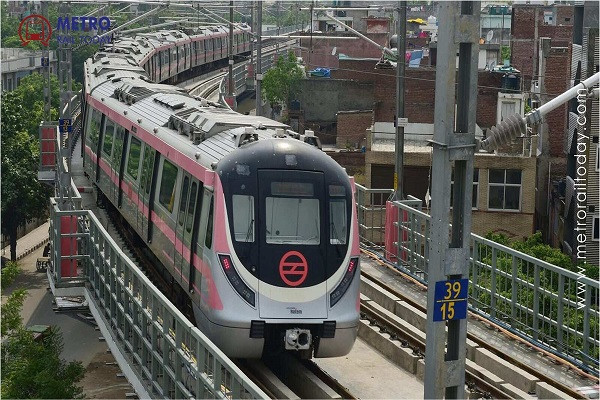 Tender issued for 90 Rolling Stock Cars for Magenta Line Extension under Delhi Metro Phase IV
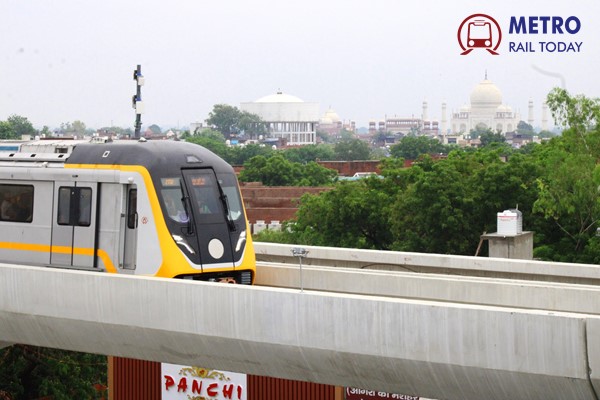 Agra Metro completes system trial run on 6-km Mankameshwar–ISBT Stretch
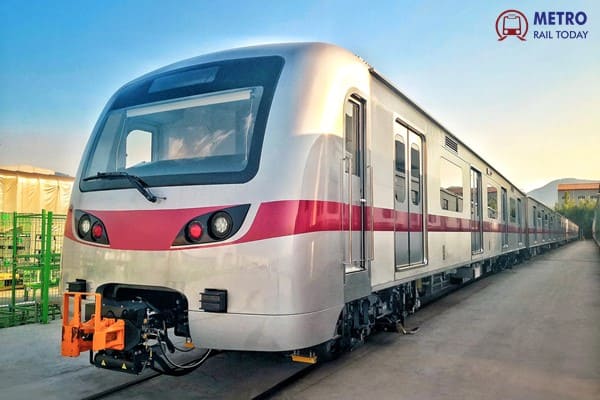 CRRC unveils Driverless CR151 Metro Train for Singapore’s Cross Island Line
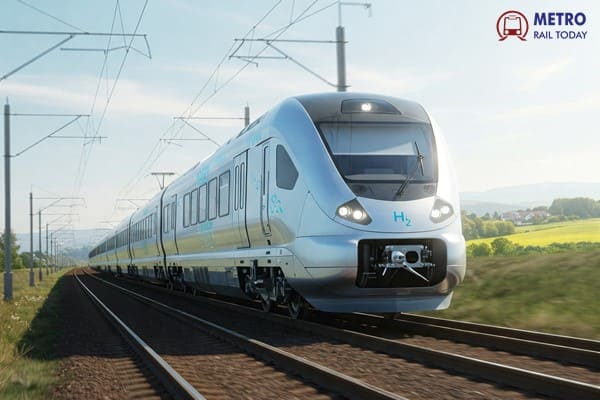 Alstom acquires Cummins Hydrogen Fuel Cell Unit to strengthen Hydrogen Train portfolio
China aims to build national rail network spanning around 200,000 km by 2035
MRT Online Desk
Posted on: 2025-12-15 10:30:00
Viewer: 2,060
Comments: 0
Country: India
City: New Delhi
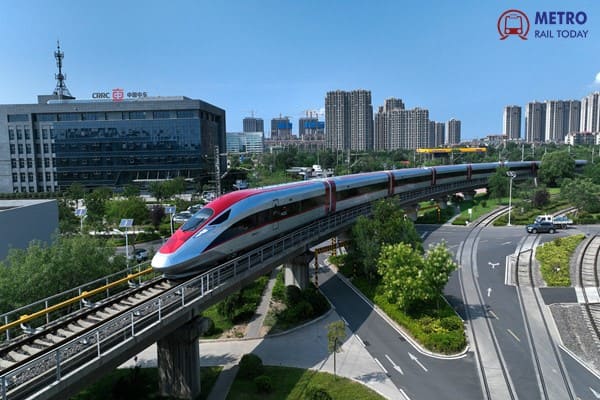
Beijing, China (Metro Rail Today): China is reshaping its railway development strategy, shifting focus from rapid network expansion to smarter, more integrated, and efficiency-driven growth. Under the leadership of Minister of Transport Liu Wei, the renewed approach prioritises upgrading existing infrastructure, optimising new railway projects, and deploying intelligent transport systems to enhance connectivity while avoiding redundancy.
A key highlight of this recalibrated strategy is the proposed railway link between Hotan in Xinjiang and Lhasa in Tibet. The ambitious project is expected to significantly improve connectivity to some of China’s most remote regions, strengthening socio-economic integration and reinforcing national cohesion through rail-based mobility.
According to official planning targets, China aims to build a rail network spanning around 200,000 km by 2035. This will include an extensive mix of high-speed rail corridors, modernised conventional railways, and upgraded freight and logistics routes designed to support both passenger movement and industrial supply chains.
The new direction reflects a broader emphasis on quality-led development, with greater attention to modernisation, operational efficiency, and region-specific infrastructure planning. By integrating advanced technologies and intelligent transport systems, China seeks to maximise the value of its existing rail assets while ensuring sustainable growth of new corridors.
Key Features of China's Railway Network
- Scale & Reach: Operates the world's largest network (over 160,000 km) and HSR network (over 40,000 km), linking 96% of cities with >500k population.
- Structure: A grid system of 8 north-south (vertical) and 8 east-west (horizontal) corridors serves as its backbone.
- Management: State-owned China Railway Corporation (CR) manages the network through 18 regional administrations, handling passenger, freight, and high-speed services.
- Technology: Extensive electrification and advanced construction (bridges, tunnels) support high speeds (up to 350 km/h).
- Economic Impact: Transports billions of passengers and tons of freight, crucial for domestic economy and global trade (Belt & Road).
Major Corridors
- North-South: Beijing-Harbin, Beijing-Shanghai, Beijing-Kowloon, Beijing-Guangzhou, Datong-Zhanjiang, Baotou-Liuzhou, Baoji-Kunming.
- East-West: Eurasian Land Bridge, Yangtze River Valley, Shanghai-Kunming (Hukun Line).
Provincial Connectivity
- HSR extends to 31 of 33 provincial-level divisions, connecting major hubs like Beijing (Beijing South) and Shanghai (Shanghai Hongqiao).
Future Growth
- Plans aim to connect all cities with >200k population by rail and >500k by HSR by 2035, with continued network expansion.
Commenting on the evolving global rail landscape, Mrs. Mamta Shah, MD & CEO, Urban Infra Group, said, “China’s shift from scale-driven expansion to smarter, technology-led rail development is a clear signal for the global rail industry. The focus on optimisation, digital systems, and regional balance offers valuable lessons for emerging rail markets, including India, as they work to combine capacity growth with long-term efficiency and sustainability.”
With rail continuing to play a central role in China’s transport policy, the strategy aims to sustain connectivity gains, support balanced regional development, and narrow infrastructure disparities—positioning the railway network as a resilient backbone of the country’s future mobility and logistics ecosystem.


MRT Online Desk
Metro Rail Today is an authentic and global news provider for the Rail & Metro industry from and around the world.