

Trending Now
 ₹4.5 Lakh crore Metro Rail Investment reaches less than 5% of Urban Population in India
 West Bengal plans to launch Water Metro Systems in Kolkata
 Titagarh Rail Systems targets full Indigenous Aluminium Coach Manufacturing by FY2027
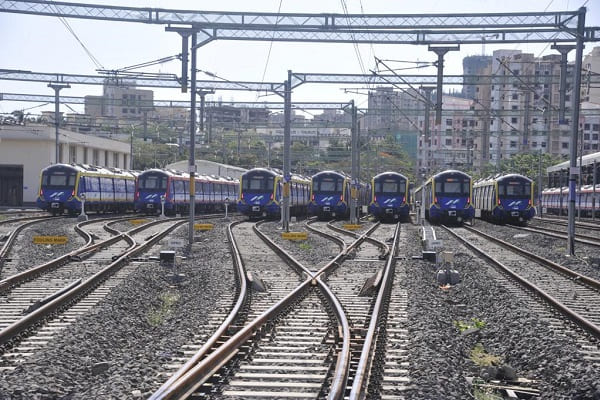 MMRDA issues Track Works Tender for Kasheli Depot of Mumbai Metro Line 5
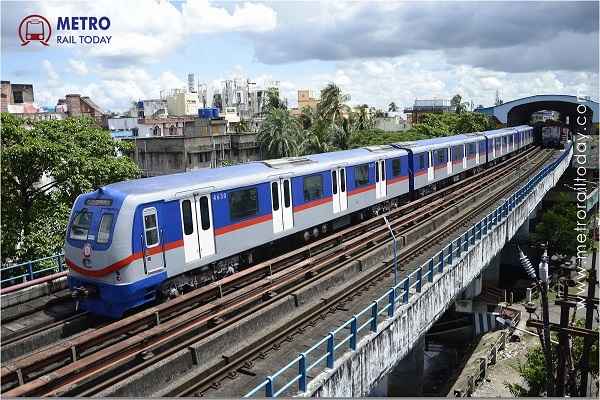 Indian Railways to procure 60 new Rolling Stock Trains for Kolkata Metro in five years
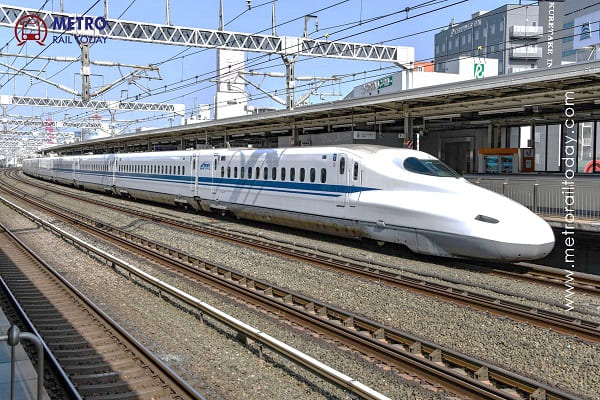 Kerala forms Expert Committee to evaluate Thiruvananthapuram–Kannur High-Speed Rail Corridor
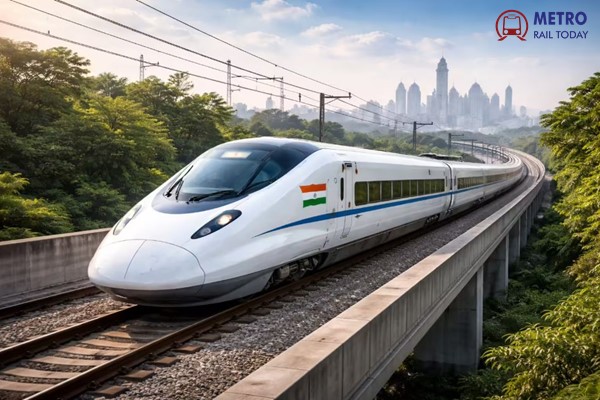 Mumbai–Ahmedabad Bullet Train Project achieves third Mountain Tunnel Breakthrough in Maharashtra
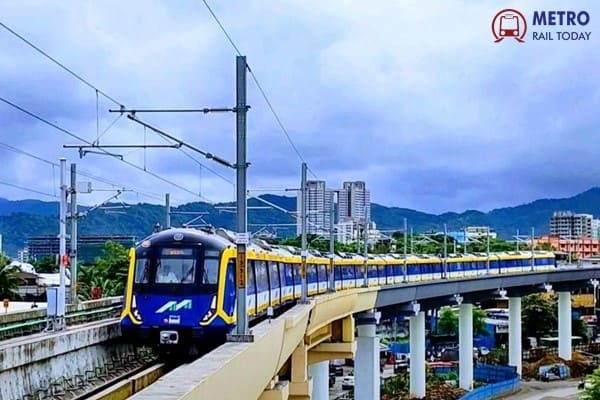 MMRDA invites bids for ₹4,882 Crore Rolling Stock & Systems Contract for Mumbai Metro Line 12
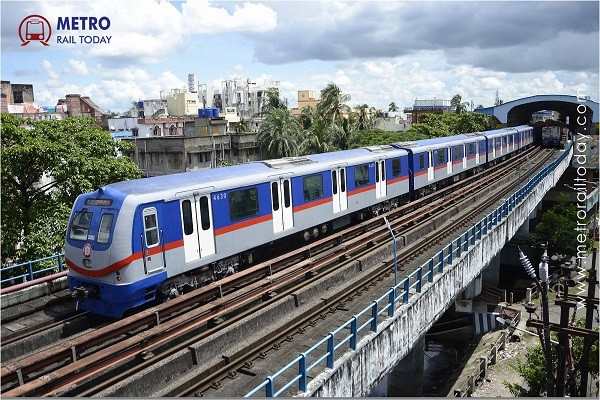 Kolkata Metro completes Aluminium Third Rail Upgrade on Blue Line
- Metroman E. Sreedharan submits new Blueprint for ₹54,000 Crore Kerala High Speed Rail Corridor
Delhi Metro to connect New Central Vista Buildings via Underground Metro Network
MRT Online Desk
Posted on: 2024-12-11 16:25:00
Viewer: 1,727
Comments: 0
Country: India
City: New Delhi
New Delhi, India (Metro Rail Today): In a significant shift in plans, the Union government has announced that the upcoming Common Central Secretariat (CCS) buildings and the North Block, key components of the Central Vista redevelopment project, will be directly connected to the Delhi Metro network. This decision was made following a review of previous proposals, with a senior government official confirming that the initial idea of installing moving walkways to link the buildings has been scrapped.
The change aims to ensure efficient use of public resources, avoiding unnecessary expenditure on exclusive infrastructure projects that may not provide long-term benefits. The new Metro link will enhance connectivity across this important government hub, promoting better access for citizens and reducing reliance on vehicular traffic.
A senior official from the Union Ministry of Housing and Urban Affairs highlighted that the shift aligns with the broader goals of the Central Vista project, which includes creating more public spaces. “This is in line with the Rajpath revamp project, where 100 acres of land have been converted into quality public spaces. Today, 50,000 people visit Kartavya Path daily, with numbers surging on weekends. We envision a similar transformation from C-Hexagon to the Yamuna,” the official stated.
The decision to connect the new government buildings to the Delhi Metro network follows extensive discussions on how best to manage connectivity in the region, especially in light of delays and changes in the execution of other parts of the Central Vista project. Notably, key structures such as the new Parliament building, the Vice-President’s residence, and Kartavya Path have already been completed.
Under the revised plan, a 6-kilometer stretch of underground Metro will be constructed to directly link the new Central Vista buildings, including the North Block, and other strategic locations within the area. This underground stretch will be integrated into the Phase 4 expansion of the Delhi Metro network, likely as an extension of the Green Line from Inderlok to Indraprastha.
The Metro connection aims to reduce congestion in the area, facilitating smoother movement for both officials and the public. It will also increase access to critical areas, including the future Yuge Yugeen Bharat Museum at North Block. By connecting these key sites via Metro, the government hopes to cut down on traffic, improving the overall efficiency and environmental sustainability of the region.
The construction of this underground Metro link is also being designed with security in mind, with the final alignment of the route currently under review. The project will play a vital role in further enhancing the Central Vista's accessibility, transforming the area into a more pedestrian-friendly, less congested environment.
The completion of the new central secretariat buildings, which form an essential part of the Central Vista redevelopment, is now expected to take longer than initially planned. The government recently acknowledged that these buildings would be finished over a year later than originally scheduled, a delay that has been attributed to the complexities involved in such a large-scale infrastructure project.
Despite these delays, the government remains committed to the transformation of the Central Vista area. The Metro extension is expected to complement the ongoing efforts to create a world-class administrative hub while also making the area more accessible to the public, in line with the vision for a more connected and pedestrian-friendly New Delhi.
The decision to integrate the Delhi Metro with the new CCS buildings and North Block marks a strategic shift toward creating a modern, efficient, and public-oriented infrastructure in the heart of the Indian capital. By moving away from the initial idea of moving walkways and opting for a Metro connection, the government is making a long-term investment in urban mobility and public accessibility. With the 6-kilometer underground stretch soon to be added to the Delhi Metro network, the Central Vista project is set to redefine connectivity and public space in New Delhi.

MRT Online Desk
Metro Rail Today is an authentic and global news provider for the Rail & Metro industry from and around the world.