

Trending Now
 Kolkata Metro: From India’s First Metro to a 73.42-km Multi-Corridor Metro Rail Network
 GMRC floats ₹356.54 crore Construction Tender for 4.4-km Surat Metro Rail Extension
 India’s First LNG-Powered Train Flagged Off from Sabarmati, Gujarat
 Nippon Koei-led JV awarded ₹275 crore Consultancy Contract for Patna Metro Rail Project
 Tender floated for 4.94-km Underground Central Vista Corridor under Delhi Metro Phase V
 Portugal shortlisted Alstom and Talgo for €504 million High-Speed Train Tender
 Italy’s Lucchini RS and SIMEST invest €28 million in Jupiter Tatravagonka Railwheel Factory
 K-RIDE issues ₹986 crore Traction and Power Supply Tender for Bengaluru Suburban Rail Project
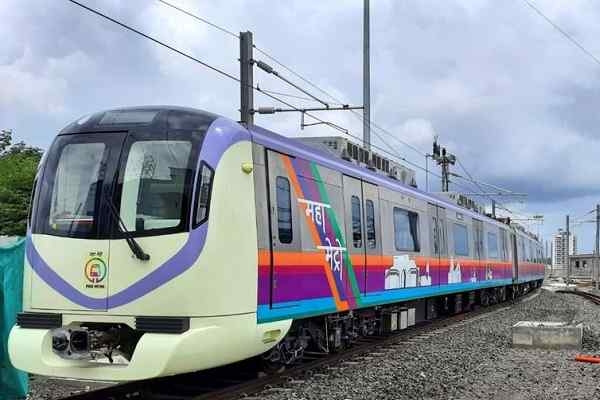 Maharashtra Government approves ₹180 crore for Pune Metro Expansion Projects
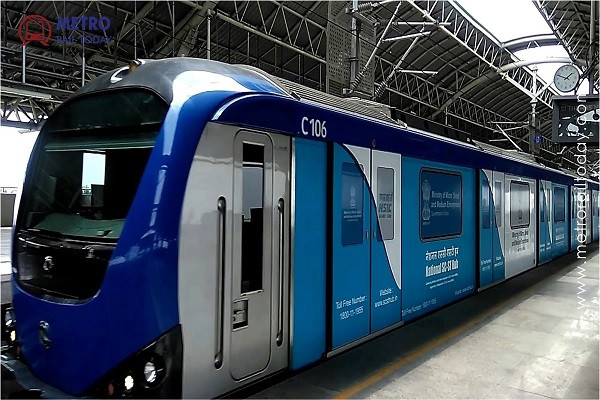 Johnson Lifts wins ₹129.86 crore AMC Contract for Lifts and Escalators for Chennai Metro Phase 1
GMRC floats ₹356.54 crore Construction Tender for 4.4-km Surat Metro Rail Extension
MRT Online Desk
Posted on: 2026-09-28 07:10:00
Viewer: 64
Comments: 0
Country: India
City: Surat
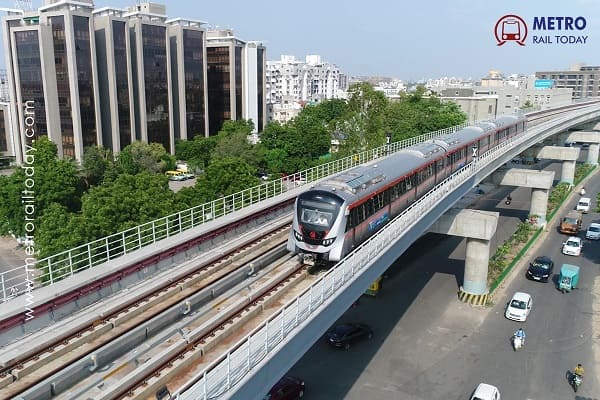
Surat, India (Rail & Metro Today): The Gujarat Metro Rail Corporation (GMRC) has invited bids for the construction of a 4.4-km elevated viaduct and three metro stations under the Phase 1 Extension of the Surat Metro Rail Project. The package forms part of Corridor II and will extend the metro system from Saroli Metro Station to Surat HSR Metro Station.
The tender, estimated at ₹356.54 crore, covers major civil and associated works required for the development of the elevated metro section. The project is expected to create opportunities for civil construction companies, metro infrastructure specialists, viaduct contractors, structural engineering firms and EPC players.
4.4-km Elevated Viaduct and Three Stations
The proposed package involves construction of approximately 4.4 km of elevated viaduct along with three metro stations between Saroli and the proposed Surat HSR Metro Station.
The works are intended to extend metro connectivity along an important transportation corridor of Surat and strengthen integration between the city's existing metro infrastructure and the planned high-speed rail connectivity at Surat.
In addition to the primary civil works, the package includes electrical and mechanical (E&M) works, making it a comprehensive infrastructure assignment covering multiple components of the metro system.
Opportunities for Metro Infrastructure Industry
The tender represents another significant opportunity for companies involved in the development of urban rail infrastructure in Gujarat. The construction package is expected to attract participation from civil contractors, viaduct specialists, structural engineering firms, EPC contractors and other metro infrastructure companies.
The construction of an elevated viaduct in an established urban environment will require detailed planning, structural engineering and coordination with existing road, utility and transportation infrastructure.
Mrs. Mamta Shah, MD & CEO, Urban Infra Group, said the expansion of the Surat Metro network demonstrates the continuing development of urban rail infrastructure in Gujarat.
“The 4.4-km extension and three proposed stations will add an important link to Surat's growing metro network. Metro infrastructure projects of this nature also create a strong ecosystem for civil contractors, engineering companies, EPC firms and specialised infrastructure players. Effective coordination between construction agencies and urban authorities will be important for delivering the corridor efficiently while maintaining connectivity and minimising disruption during construction.”
Strengthening Surat's Multimodal Connectivity
Surat has been developing its metro network as part of a broader effort to provide high-capacity public transportation for the rapidly growing city. The Phase 1 extension will further expand the reach of the system and improve connectivity to key transportation infrastructure.
The proposed connection towards Surat HSR Metro Station is particularly significant in the context of the city's emerging multimodal transportation network, linking metro connectivity with the high-speed rail ecosystem.
With GMRC now inviting bids for the ₹356.54-crore package, the Saroli–Surat HSR section is moving towards the next stage of implementation. The proposed viaduct and three stations are expected to contribute to the continued expansion of Surat's metro infrastructure and support the city's long-term urban mobility requirements.

MRT Online Desk
Metro Rail Today is an authentic and global news provider for the Rail & Metro industry from and around the world.