

Trending Now
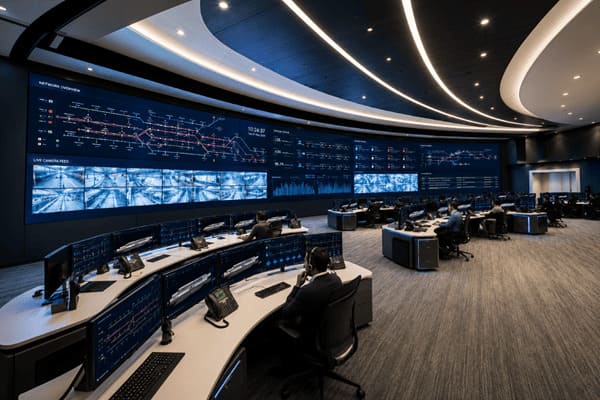 Future Metro Control Centres: ST Engineering Transforms Command Rooms to Intelligent Nerve Centres
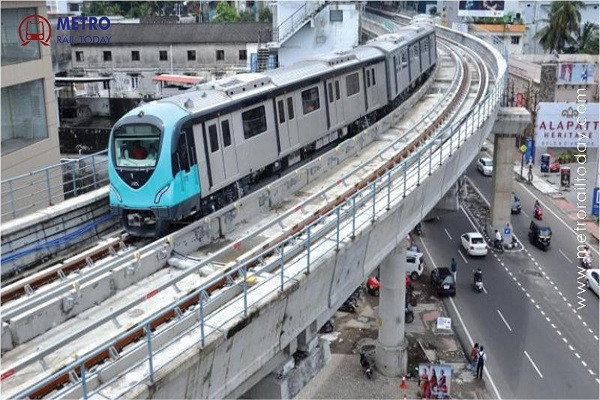 Kochi Metro unveils Visionary Design for Phase II Pink Line Metro Stations
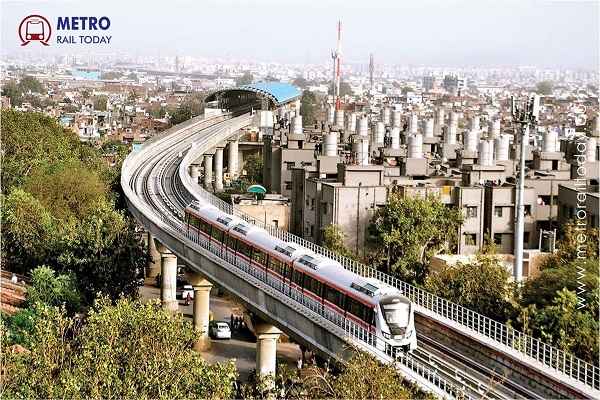 Design Consultancy Tenders floated for Ahmedabad Metro Phase 3 Elevated Corridors
 Global Metro Rail Infrastructure Market projected to reach US$ 78.3 billion by 2033
 Kinet’s Vande Bharat Sleeper Concept wins prestigious Italian A’ Design Award
 SYSTRA awarded Design Consultancy Contract for Ahmedabad Metro Phase 2 Extensions
 TBM Servarayan achieves Tunnel Breakthrough on Corridor 3 of Chennai Metro Phase 2
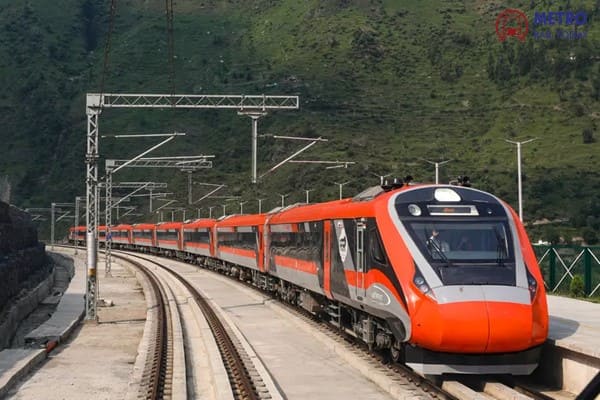
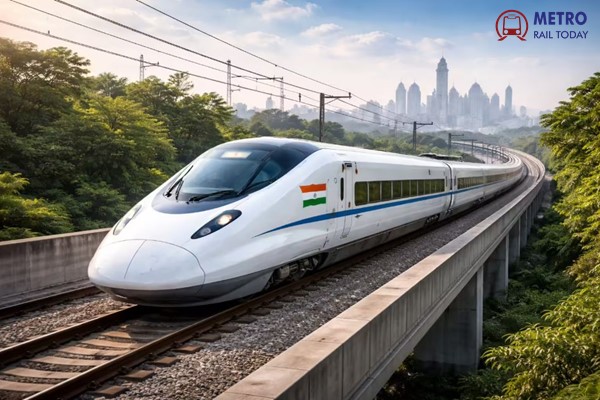 India targets 350 kmph Indigenous Bullet Train to accelerate High-Speed Rail ambitions
- RTA invites bids for $9.2 billion Dubai Metro's Gold Line Expansion Project
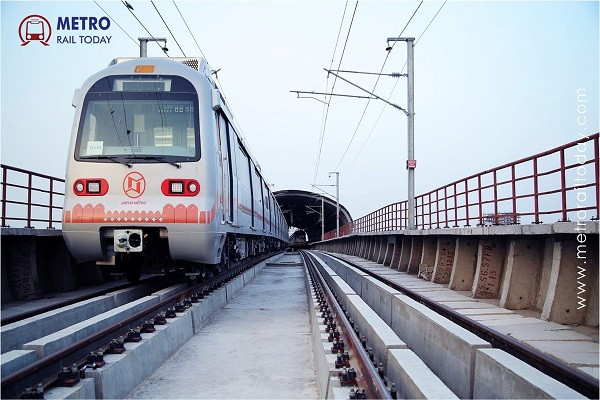 ICT–RINA JV awarded Design Consultancy Contract for Jaipur Metro Phase 2
India building a historic Undersea Tunnel for Mumbai-Ahmedabad Bullet Train Project
MRT Online Desk
Posted on: 2025-01-20 06:05:00
Viewer: 2,240
Comments: 0
Country: India
City: Mumbai
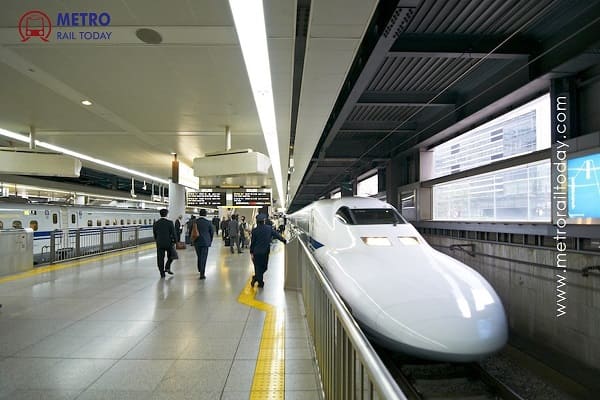
Mumbai, India (Metro Rail Today): India is on the brink of a historic achievement in its infrastructure development journey with the construction of its first-ever undersea tunnel, a key feature of the ambitious Mumbai-Ahmedabad High-Speed Rail Corridor. Spanning an impressive 7 kilometers, this undersea tunnel will play a vital role in facilitating bullet trains that can travel at speeds of up to 250 km/h, a remarkable leap in the country’s transportation technology.
The tunnel, part of a broader 21-kilometer tunneling project, will include two parallel tracks and is being developed using advanced techniques such as Tunnel Boring Machines (TBM) and the New Austrian Tunneling Method (NATM). This cutting-edge infrastructure will revolutionize rail travel, cutting the journey time between Mumbai and Ahmedabad to just 2.5 hours, significantly enhancing connectivity, economic integration, and urban growth across the regions.
Railway Minister Ashwini Vaishnaw, after inspecting the construction sites in Mumbai on Saturday, emphasized that the project is designed with the highest safety standards. He stated, "All high-quality safety norms have been adopted in the construction of this India's first carefully designed undersea tunnel project."
The bullet train project, which aligns with Prime Minister Narendra Modi’s vision for "affordable and fast transportation," is expected to bring transformative changes to the cities along the route. As part of the project’s progress, the completion of the 394-meter-long ADIT tunnel—a critical component for construction access and emergency evacuation—marks a significant milestone, demonstrating the project’s focus on safety and efficiency.
In addition to the tunnel, other key developments include the construction of bridges over rivers along the corridor. Vaishnaw remarked, "The works of the bullet train project between Mumbai and Ahmedabad are in high progress," underlining the rapid pace of the initiative.
This undersea tunnel and the broader high-speed rail project stand as a testament to India’s growing technological and economic prowess, setting a new benchmark for transportation innovation in the country. With the promise of faster, safer, and more efficient travel, the Mumbai-Ahmedabad bullet train corridor will not only transform daily commuting but also serve as a catalyst for urban development in the regions it serves


MRT Online Desk
Metro Rail Today is an authentic and global news provider for the Rail & Metro industry from and around the world.