

Trending Now
 ₹4.5 Lakh crore Metro Rail Investment reaches less than 5% of Urban Population in India
 West Bengal plans to launch Water Metro Systems in Kolkata
 Titagarh Rail Systems targets full Indigenous Aluminium Coach Manufacturing by FY2027
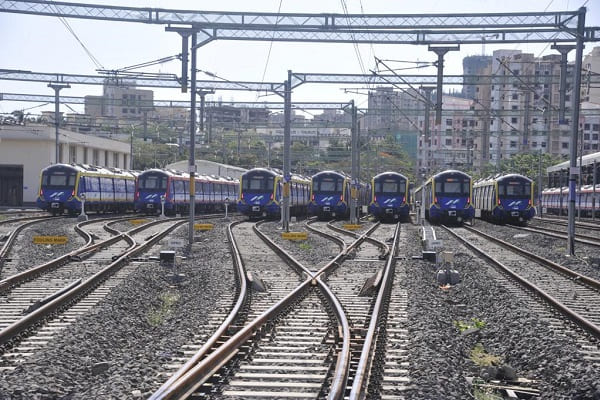 MMRDA issues Track Works Tender for Kasheli Depot of Mumbai Metro Line 5
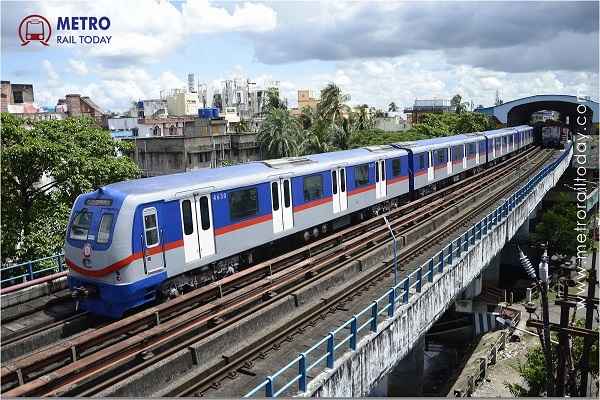 Indian Railways to procure 60 new Rolling Stock Trains for Kolkata Metro in five years
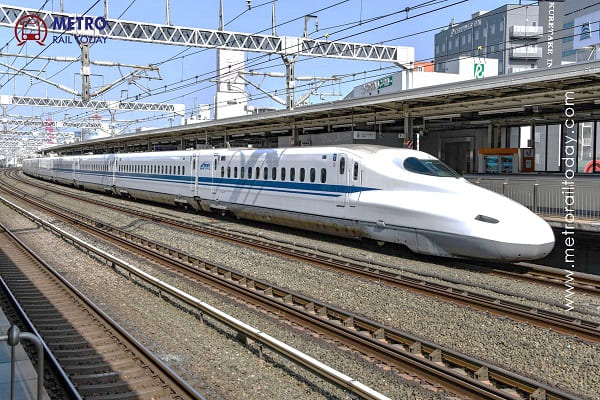 Kerala forms Expert Committee to evaluate Thiruvananthapuram–Kannur High-Speed Rail Corridor
 Mumbai–Ahmedabad Bullet Train Project achieves third Mountain Tunnel Breakthrough in Maharashtra
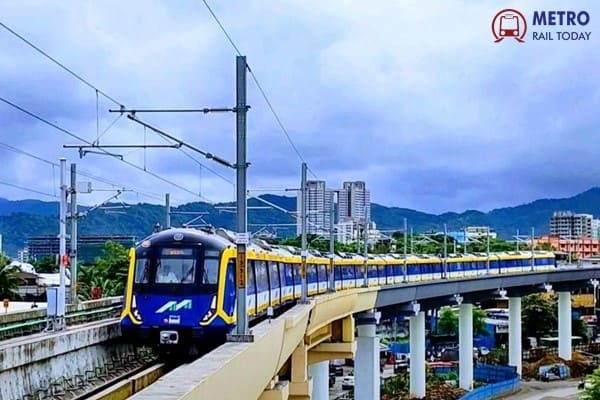 MMRDA invites bids for ₹4,882 Crore Rolling Stock & Systems Contract for Mumbai Metro Line 12
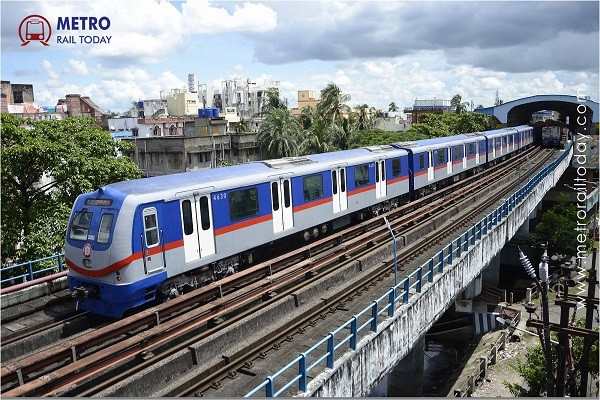 Kolkata Metro completes Aluminium Third Rail Upgrade on Blue Line
- Metroman E. Sreedharan submits new Blueprint for ₹54,000 Crore Kerala High Speed Rail Corridor
Lesson learnt from recent Delhi Metro Accident: Safety and Preparedness in Focus
Dr. Vinod Shah
Posted on: 2023-12-19 07:00:00
Viewer: 3,504
Comments: 0
Country: India
City: New Delhi

The recent incident in the Delhi Metro, where a 35-year-old woman lost her life after her saree got caught in the train doors, has sparked concerns and raised questions about the safety measures and preparedness of metro systems. This unfortunate event sheds light on the need for robust safety protocols and highlights the responsibility of metro authorities in ensuring passenger well-being.
Understanding the Delhi Metro Incident
Background of the Incident
Reena Devi, a vegetable vendor and resident of Nangloi in West Delhi, had a 11-year-old son and a daughter aged 13. Her husband had died a few years ago from a brain tumour.
The tragic incident occurred at Inderlok Metro Station on the Red Line, where the woman, identified as Reena, was dragged along the platform for 25 meters, leading to severe injuries. The train never stopped even though people were said to have tried flagging down its operator.
“Her sari got stuck in the Metro door and she couldn’t board. Following this, the train started moving and the woman was dragged for around 25 metres on the platform. She then collided with the platform track access gate,” an official said. She fell onto the tracks and suffered severe injuries to her head and back. The boy did not board the train.
“She was travelling with her 11-year-old son and they boarded the metro from Nangloi and changed at Inderlok Metro Station on the Red Line. The station was very crowded which is why her saree got stuck in the compartment gate. She was supposed to attend her nephew’s wedding tomorrow,” said one of her relatives.
Immediate Responses and Investigations
While no case has been lodged yet, inquest proceedings under CrPC 174 have been initiated. Investigations are underway to determine if negligence played a role in the incident.
“She was immediately picked up by Delhi Metro Rail Corporation and CISF officials and taken to Deepchand Bandhu Hospital. Her family members later took her to Lok Nayak Hospital for further treatment,” a CISF official said. Reena was shifted to RML Hospital and then to Safdarjung Hospital, where she died Saturday.
“Several persons inside the compartment and outside on the platform tried to signal the train driver to stop the train once the woman’s saree got stuck but the train kept running. The driver of another Metro coming from the other side noticed her body on the tracks and informed Metro officials,” added CISF officials.
Insights from Delhi Authorities and Responses
Metro's Statement
Delhi Metro Rail Corporation (DMRC) officials stated that sensors did not fail, and the saree was thinner than the detection threshold of 25 millimeters. “cloth only thicker than 25 millimetres can be detected and the sari was thinner,” said officials.
"Regular announcements are also made inside trains advising that while boarding and alighting the train, passengers are requested to take care of their loose items like saree, dupatta, dhoti and bag. Emergency alarms are available inside coaches for passengers to alert the train operator," said Anuj Dayal, Executive Director (Corporate Communications), DMRC.
Transport Minister's Action
Transport Minister Kailash Gahlot has initiated a probe into the incident, directing the Commissioner of Metro Railway Safety to conduct an inquiry.
“I understand from media reports that an inquiry will be conducted by the Commissioner of Metro Railway Safety. In this regard, it is directed as under: 1. The period within which the Commissioner of Metro Railway Safety shall be submitting its inquiry report, be indicated. Any order issued in this regard be sent for my information; 2. A copy of the Inquiry Report of the Commissioner of Metro Railway Safety, be shared with me,” said Delhi Transport Minister.
Kochi Metro's Safety Measures: A Comparative Analysis
Assurance from Kochi Metro Rail Ltd (KMRL)
In the wake of the Delhi incident, questions arise about the safety measures in other metro systems, including Kochi Metro. KMRL officials assure that they have implemented a sensory and physical surveillance system to ensure passenger safety.
“All KMRL metro stations are manned by security personnel, who warn commuters who cross the yellow line and clear the closing of doors. Our security staff are trained to handle such situations,” said a KMRL official.
Security Personnel and Technological Safeguards
KMRL stations are manned by security personnel, actively preventing commuters from crossing the yellow line and ensuring safe door closures. Mirrors at platforms provide operators with a comprehensive view, allowing careful inspection before door closure.
"Moreover, all platforms have mirrors, which offer train operators an end-to-end view. The mirrors provide a clear view to train operators, who close the doors only after careful inspection,” said an official, adding that train doors are closed after the train operator checks all sides and upon receiving clearance from the security official.
Past Incidents and Timely Interventions
KMRL cites a previous incident where the timely intervention of security personnel prevented a mishap, emphasizing the significance of a proactive safety approach.
Challenges and Human Behavior: A Persistent Issue
Passenger Behavior and Awareness
Despite warnings and awareness campaigns, passengers often overlook safety guidelines, contributing to potential hazards.
“I have seen people waiting at stations to board trains failing to provide space for de-boarding commuters. On the platform, there is a sign for passengers to stand on the sides of doors. However, people fail to follow it and gather in front of the door, crowding and pushing each other. This is dangerous,” said an official.
Platform Crowding: A Dangerous Trend
Instances of passengers crowding in front of doors and failing to follow designated waiting areas highlight the persistent challenge of ensuring compliance with safety norms. This tragedy could be prevented if there was Platform Screen Doors (PSD). PSD is equipped with sensors that can detect any immediate obstruction on the platform. In the case of the Delhi Metro incident, the saree getting caught would trigger the sensors, prompting an immediate halt to door closure.
With PSD in place, the entire platform is enclosed, leaving no gaps. This would have prevented the woman from being dragged along the platform, as the PSD would act as a barrier, eliminating the risk of contact with the moving train.
Striving for Continuous Improvement
The tragic Delhi Metro incident serves as a poignant reminder of the importance of constant vigilance and improvements in metro safety. While technological safeguards are in place, human behavior and awareness remain pivotal factors. Authorities must continuously strive for better safety measures, and passengers play a crucial role in adhering to guidelines. Let this incident be a lesson for metro systems worldwide to enhance their preparedness and prioritize passenger safety.
The incorporation of Platform Screen Doors (PSD) in metro systems, including Delhi Metro, could serve as a crucial step towards preventing accidents like the recent one. While challenges exist, the long-term benefits in terms of passenger safety and overall system efficiency make PSD a viable and necessary investment for metro authorities worldwide.


Dr. Vinod Shah
Dr. Vinod Shah is an experienced urban transport journalist, blogger and key opinion leader.