


Trending Now
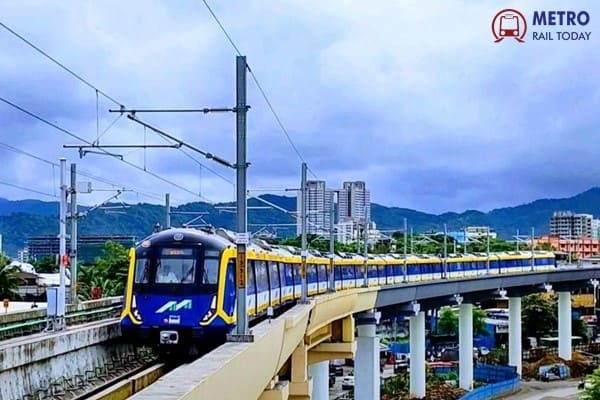 MMRDA seeks ₹14,100 Crore Loan for two upcoming Mumbai Metro Corridors
 Jupiter Wagons Eyes ₹20,000-Crore Mumbai Suburban Mega Rolling Stock Tender
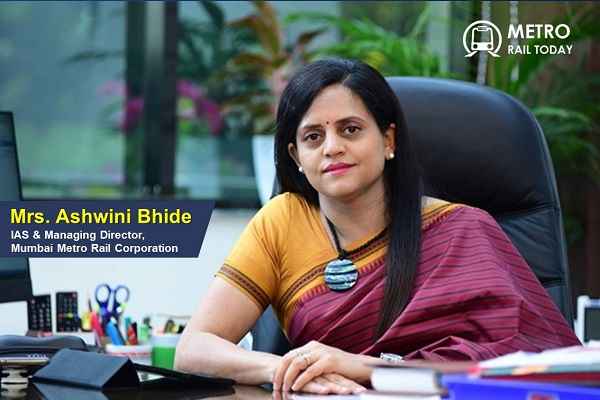 Mumbai Metro Chief Ashwini Bhide appointed as First Woman BMC Commissioner
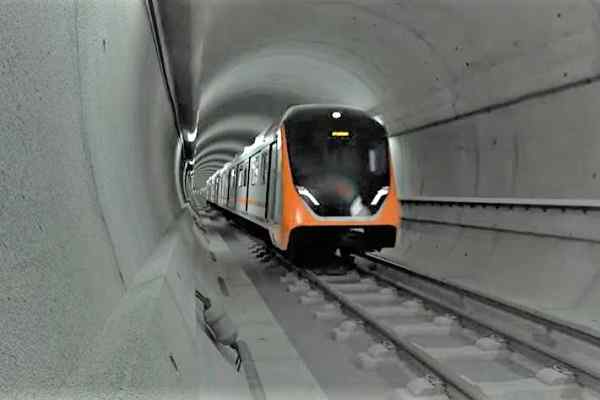 TBM ‘Parvati’ completes Underground Tunnelling on Kanpur Metro Phase 1 Project
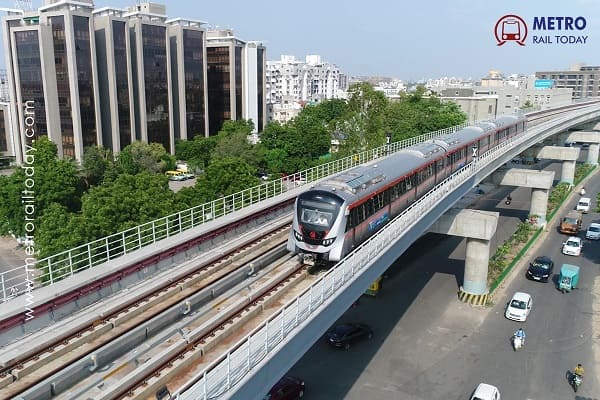 Surat Metro begins First Trial Run on 8.5 km Diamond Corridor between Dream City and Althan Tenement
 Cemindia wins ₹1,024 crore Civil Contract for Central Vista Tunnel Package of Delhi Metro Phase V
 TBM ‘Durgavati’ begins tunneling works on Bhopal Metro Underground Stretch
 Washington Metro celebrates its Golden Jubilee—50 years of passenger service
 Two TBMs arrive in Mumbai for undersea tunneling on Mumbai-Ahmedabad Bullet Train Project
 Alstom awarded €915 million Rolling Stock Contract for Belgrade’s First Driverless Metro Line
Mandale Depot: Asia’s largest and most advanced Metro Car Depot taking shapes in Mumbai
MRT Online Desk
Posted on: 2025-11-19 16:12:00
Viewer: 1,245
Comments: 0
Country: India
City: Mumbai
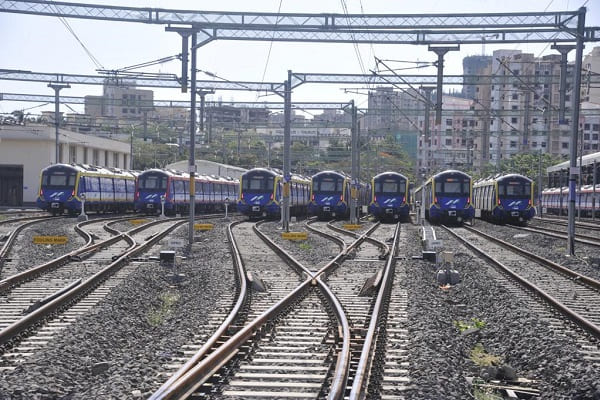
Mumbai, India (Metro Rail Today): Mumbai’s metro network is preparing for a major leap forward with the unveiling of the Mandale Depot — a sprawling, technology-rich, sustainability-focused operating hub that the Mumbai Metropolitan Region Development Authority (MMRDA) calls Asia’s largest and most advanced metro depot. Developed for Metro Line 2B, the Mandale Depot is set to become the operational backbone of the DN Nagar–Mandale corridor, strengthening east–west connectivity across the city.
Spread across nearly 32 hectares in Mankhurd, the depot represents a rare combination of scale, precision engineering, and environmental responsibility. Designed with two levels of stabling space capable of accommodating 72 train rakes, the facility stands out for its highly space-efficient structure — a crucial advantage in a dense, coastal megacity like Mumbai.
A Depot Built for the Future
At the heart of the complex stands a G+3 Depot Control Centre, a command hub that will function 24×7 to monitor train movements, schedule maintenance, coordinate operations, and oversee safety systems. Officials emphasized that such an advanced control architecture is essential for ensuring punctual, high-frequency service on one of Mumbai’s most crucial metro lines.
The depot also includes India’s longest metro test track at 965 metres, enabling pre-commissioning trials for new trains before they enter passenger service. With four shunting necks and one elevated neck, the facility can manage high-volume train movements with minimal delays.
Beyond its core operational systems, Mandale Depot houses more than 100 km of underground utilities, ensuring seamless functioning of electrical, signalling, water, and communication networks across the campus.
Sustainability at the Forefront
MMRDA has integrated major environmental safeguards into the project, ranging from dust and noise suppression to energy-efficient infrastructure. A 175 KLD capacity effluent and sewage treatment plant will recycle water for cleaning, washing and landscaping — a critical sustainability measure in a city that faces recurring water stress.
The depot is also equipped with modern auto-wash and heavy-wash plants, water-efficient cleaning systems, and green landscaping zones engineered to mitigate heat and enhance the environmental profile of the premises.
Engineering Triumph Amid Challenges
Constructing a facility of this scale in Mumbai’s coastal belt posed significant challenges. The project team contended with unstable soil conditions, access road limitations, and the need to optimise land use through a double-decker stabling layout. MMRDA officials said each hurdle pushed the team to adopt new technologies, innovative construction methods, and a smarter design approach.
The authority described Mandale Depot as “The People’s Depot,” inviting citizens to engage with the project and reflect on the aspects they find most impressive — the scale, the technology, or the sustainability features.
Urban Infra Group’s MD & CEO, Mrs. Mamta Shah, praised the project as a defining moment for Mumbai’s transit evolution.
“The Mandale Depot is not just a depot — it is a symbol of how modern cities must think about mobility infrastructure. Its scale, automation, sustainability and engineering sophistication place Mumbai among Asia’s most forward-looking metro systems. This is the kind of world-class backend facility that truly transforms what commuters experience on the front end.”
A Cornerstone for Mumbai’s Growing Metro Network
With existing depots at Charkop (serving Lines 2A and 7) and Andheri (serving Line 1), the addition of Mandale Depot significantly boosts the city’s capability to operate, maintain and scale its metro services. As Mumbai accelerates its metro expansion, the Mandale Depot will play a pivotal role in enabling high-frequency, reliable train operations and strengthening commuter confidence.
Once Line 2B becomes operational, the depot will serve as the nerve centre ensuring that the metro system runs smoothly — reflecting both engineering excellence and the city’s ambitions for smarter, greener urban mobility.


MRT Online Desk
Metro Rail Today is an authentic and global news provider for the Rail & Metro industry from and around the world.