


Trending Now
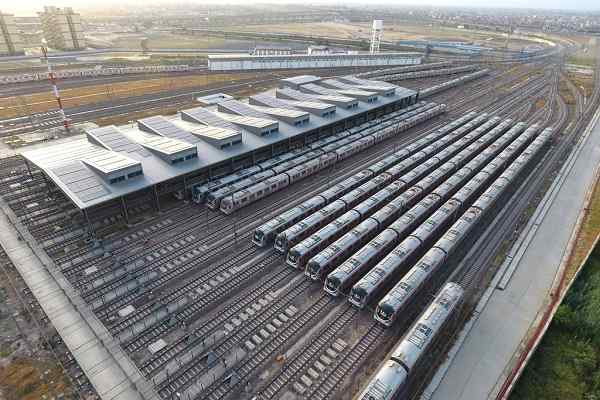 Lisha Engineers bags ₹138.70 crore Sanoth Depot Contract for Delhi Metro's Rithala-Kundli Corridor
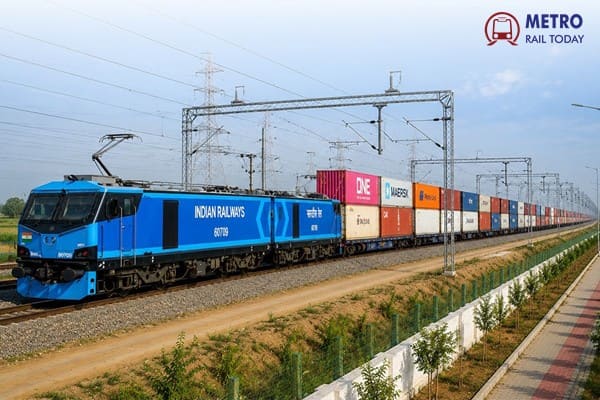 India commissions 1,506-km dedicated freight railway corridor connecting JNPA to New Dadri
 Exclusive Interview with Uwe Sperber, Site Manager, Hubner Interface Systems India
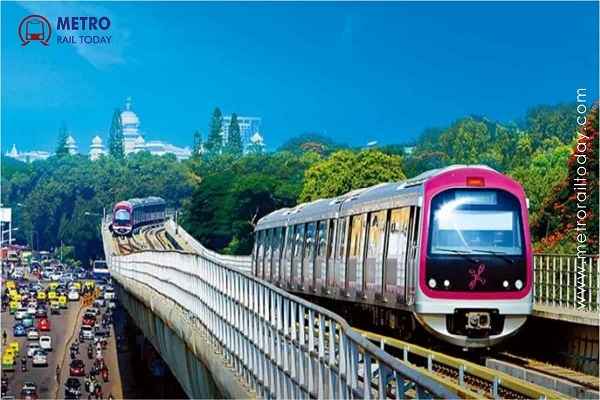 Bangalore Metro floated tender for 13.8-km Phase-3 Double-Decker Rail Infrastructure
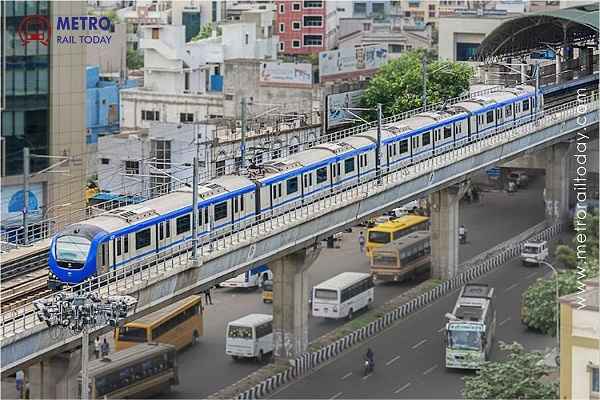 AECOM–NIPPON KOEI JV appointed as PMC Consultant for Chennai Metro Phase 1 capacity enhancement
 EPC Leader Larsen & Toubro Ltd (L&T) joins Chamber of Railway Industries as Corporate Member
 Contractor prequalification deadline for Dubai Metro Gold Line is extended to October 9
 Indore Metro Rail Network expands to 17 km as Priority Corridor 2 opened to public
 Jaffer PC appointed as Managing Director of Bangalore Metro Rail Corporation (BMRC)
 CMRL appoints Systra to prepare Multi-Modal Integration DPR for Chennai Metro Phase 1 stations
Mumbai Metro Line 9 Phase 1 inaugurated, Boosting connectivity to Mira-Bhayandar
MRT Online Desk
Posted on: 2026-04-07 15:25:00
Viewer: 2,130
Comments: 0
Country: India
City: Mumbai
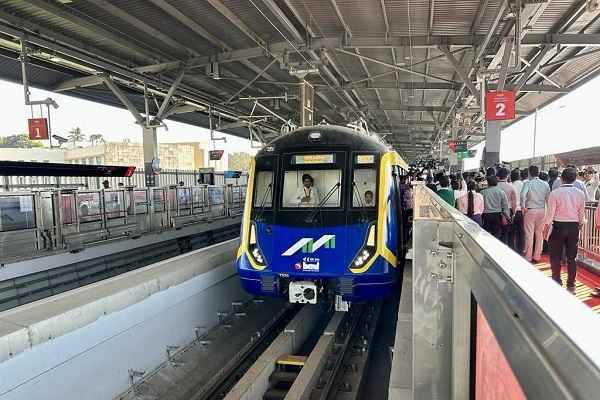
Mumbai, India (Metro Rail Today): Maharashtra Chief Minister Devendra Fadnavis on Tuesday inaugurated the first phase of Mumbai Metro Line 9, marking a significant expansion of the city’s rapidly growing metro network and strengthening connectivity between Mumbai and the neighbouring Mira-Bhayandar region in Thane district. Passenger services on the newly opened stretch will commence from Wednesday.
The Chief Minister flagged off the inaugural run from Dahisar East to Kashigaon, accompanied by Deputy Chief Minister Eknath Shinde, Transport Minister Pratap Sarnaik, and Mumbai Mayor Ritu Tawde. The newly operational section spans 5.6 km and includes four stations—Dahisar East, Pandurangwadi, Miragaon, and Kashigaon—forming a crucial link in the broader Mumbai Metropolitan Region (MMR) transit network.
Speaking on the occasion, Fadnavis emphasized that Mumbai is steadily moving toward an integrated and accessible transport ecosystem, combining metro rail, electric buses, and water transport. He noted that the city now ranks second in India after Delhi, with over 100 km of operational metro lines, and added that most ongoing metro projects are expected to be completed within the next two years. He further expressed confidence that Mumbai could surpass Delhi in metro network size within the next three to four years.
The Metro Line 9 project, built at an estimated cost of ₹6,607 crore, is expected to significantly reduce travel time between Mira-Bhayandar and key parts of Mumbai, bringing down commute durations from one to two hours to nearly 30 minutes. The corridor will provide seamless connectivity to South Mumbai through integration with Metro Line 7, and in the future with Lines 7A and 3 (Aqua Line), enhancing access to major business districts and the Chhatrapati Shivaji Maharaj International Airport.
The second phase of Metro Line 9, covering a 4.3 km stretch between Sai Baba Nagar and Subhash Chandra Bose Maidan, is already nearing completion, with nearly 96 percent of work finished. This section, comprising four additional stations, is expected to be inaugurated later this year, further extending the reach of the corridor.
With the commissioning of this stretch, Mumbai now has five operational metro corridors, including Line 1 (Ghatkopar–Versova), Line 2A (Dahisar East–Andheri West), Line 7 (Dahisar East–Andheri East), Line 3 (Colaba–BKC–SEEPZ), and the newly operational segment of Line 9. The integration of Lines 7 and 9 will enable direct connectivity from Andheri East to Mira-Bhayandar via Kashigaon, with a seamless interchange facility at Dahisar station allowing passengers to transfer without exiting the paid area.
The Mumbai Metropolitan Region Development Authority (MMRDA) has also revised the timetable for Metro Lines 2A and 7 to improve service frequency and network integration. The combined Lines 7–9 corridor, spanning 19.79 km, will operate from 5:50 am to 11 pm, with peak frequency of under six minutes and hundreds of daily services scheduled across weekdays and weekends.
In line with sustainability goals, the metro corridor incorporates eco-friendly features such as rainwater harvesting systems, LED lighting, regenerative braking, and solar panels, contributing to reduced energy consumption and environmental impact. The Chief Minister also highlighted the growing adoption of the National Common Mobility Card (NCMC), noting that nearly 80 percent of passengers are opting for cashless travel.
Commenting on the development, Mrs. Mamta Shah, MD & CEO, Urban Infra Group, said, “The expansion of Mumbai’s metro network toward peripheral urban regions like Mira-Bhayandar is a critical step in creating a truly integrated metropolitan transport system. Seamless multimodal connectivity and high-frequency operations will play a key role in reducing congestion and supporting sustainable urban growth in the MMR.”
The inauguration of Metro Line 9 Phase 1 marks another milestone in Mumbai’s urban mobility transformation, reinforcing the city’s commitment to building a high-capacity, efficient, and future-ready transit network.


MRT Online Desk
Metro Rail Today is an authentic and global news provider for the Rail & Metro industry from and around the world.