

Trending Now
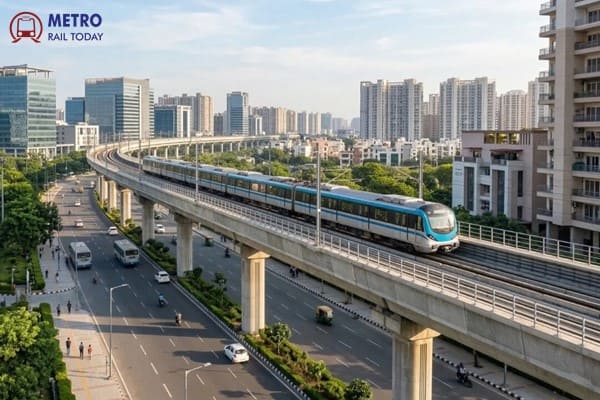 The Role of Train Systems in Sustainable Public Transportation
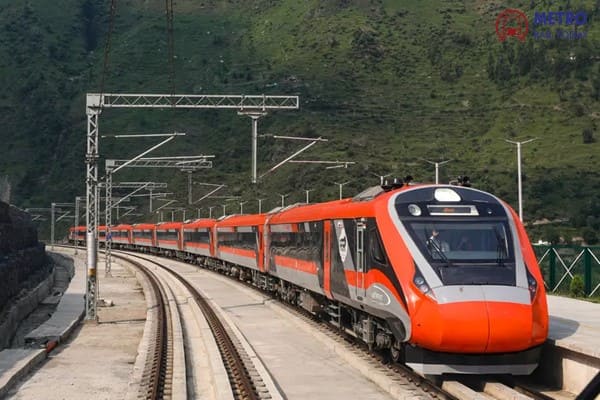 Govt of India approves ₹20,667 crore Ahmedabad - Dholera Semi High Speed Rail Corridor
 ICF signs ₹1,513 crore contract to supply Rolling Stock to Bengaluru Suburban Rail Project
 Siemens wins ₹91.65 crore Telecom Contract for Kochi Metro Phase 2 Pink Line
 GHV Infra wins ₹150 crore Civil Contract for Vasantkunj Depot of Lucknow Metro East-West Corridor
 Texmaco Rail wins ₹130 crore Track Contract for Kochi Metro Phase 2 Pink Line
 Indian Railways unveils Alignments and Routes of four new High Speed Bullet Train Corridors
 Telangana pushes for approval of ₹38,595 Crore Hyderabad Metro Phase-II Expansion
 Boston Consulting Group appointed to prepare 10 years Corporate Plan for Delhi Metro
 Exclusive Interview with Champak Panda, Managing Director, Rolling Stock & Components, Alstom India
The Role of Train Systems in Sustainable Public Transportation
MRT Online Desk
Posted on: 2026-05-12 19:14:00
Viewer: 73
Comments: 0
Country: United States
City: New York
Train systems play an important role in modern public transportation by providing efficient, reliable, and environmentally friendly travel options. As cities continue to grow and populations increase, transportation systems face greater pressure to reduce traffic congestion, lower emissions, and improve mobility. Even digital entertainment spaces such as Perya Games Online reflect how technology and modernization continue to shape everyday experiences, including how people travel and connect within urban environments. Because of their efficiency and sustainability, train systems are becoming one of the most important solutions for future public transportation development.
Train Systems Help Reduce Traffic Congestion
One of the biggest challenges in urban areas is traffic congestion. Roads in major cities are often overcrowded with private vehicles, leading to longer travel times and increased pollution.
Train systems help solve this problem by:
-
Moving large numbers of passengers efficiently
-
Reducing the number of private cars on roads
-
Providing faster travel during peak hours
Research shows that metro and railway systems significantly reduce urban traffic congestion because they transport thousands of passengers at once.
Public transportation systems supported by trains allow commuters to travel more efficiently while easing pressure on road networks.
Trains Support Environmentally Friendly Transportation
Sustainability is one of the main reasons train systems are important. Compared to cars and buses, trains produce lower greenhouse gas emissions per passenger.
Electric rail systems especially help reduce:
-
Air pollution
-
Fuel consumption
-
Carbon emissions
According to transportation studies, rail transport is among the most energy-efficient forms of public transportation available today.
As governments focus on climate goals and cleaner energy solutions, modern railway systems continue to gain attention as a sustainable transportation option.
Energy Efficiency Makes Rail Systems Sustainable
Train systems are designed to move large numbers of people while using less energy compared to individual vehicles.
Benefits of rail efficiency include:
-
Lower fuel usage per passenger
-
Reduced dependence on fossil fuels
-
Better long-term operational efficiency
Electric trains can also operate using renewable energy sources, further improving sustainability efforts.
This energy-efficient structure makes railway transportation an important part of future smart-city planning.
Train Systems Improve Urban Mobility
Modern cities require transportation systems that are fast, organized, and accessible. Train networks improve urban mobility by connecting residential, commercial, and industrial areas efficiently.
Metro and rail systems help:
-
Reduce travel time
-
Improve commuter convenience
-
Connect major city locations
-
Support economic activity
Efficient transportation allows people to access jobs, schools, and services more easily.
Urban mobility becomes more reliable when cities invest in strong public train infrastructure.
High-Speed Trains Improve Long-Distance Travel
High-speed rail systems are transforming transportation in many countries. These trains provide faster alternatives to road travel and short-distance flights.
Advantages of high-speed trains include:
-
Faster travel between cities
-
Lower environmental impact compared to air travel
-
Reduced highway congestion
Countries investing in high-speed rail systems often experience improvements in economic activity and regional connectivity.
As rail technology continues to improve, high-speed train systems may become even more important for sustainable long-distance transportation.
Train Systems Support Smart City Development
Smart cities rely on efficient infrastructure and modern technology to improve quality of life. Train systems are a key part of this development.
Modern railway networks use:
-
Digital ticketing systems
-
Real-time passenger information
-
Smart traffic integration
-
Automated safety systems
These technologies improve efficiency and create better commuter experiences.
Train systems also support transit-oriented development, where businesses and residential areas grow around transportation hubs. This encourages more organized urban planning and reduces reliance on private vehicles.
Public Transportation Encourages Sustainable Habits
Accessible and reliable train systems encourage people to choose public transportation instead of driving personal vehicles.
This shift helps:
-
Reduce fuel consumption
-
Lower transportation costs
-
Decrease environmental impact
When commuters have access to safe and efficient train systems, public transportation becomes a practical daily option.
Sustainable transportation depends not only on technology but also on encouraging long-term behavioral changes among commuters.
Train Safety and Reliability Improve Public Confidence
Modern train systems are designed with advanced safety and operational technologies. Railway transportation is often considered one of the safest forms of public transit.
Modern rail systems include:
-
Automated signaling systems
-
Real-time monitoring
-
Emergency response systems
-
Predictive maintenance technology
Reliable transportation encourages more people to use public transit regularly.
Improved safety and consistency help strengthen public trust in train systems.
Economic Benefits of Railway Transportation
Train systems also contribute to economic growth. Large transportation projects create jobs and support local industries.
Railway infrastructure development helps:
-
Generate employment opportunities
-
Improve business accessibility
-
Increase property development near stations
-
Support tourism and commerce
Efficient transportation networks allow goods and people to move more effectively, which supports economic productivity.
Many cities with strong train systems experience better long-term urban development.
Challenges Facing Train Systems
Despite their benefits, railway systems also face challenges.
Common issues include:
-
High infrastructure costs
-
Maintenance expenses
-
Land and construction requirements
-
System overcrowding in major cities
Building and expanding railway infrastructure requires significant investment and long-term planning.
However, many governments continue investing in train systems because of their environmental and economic advantages.
Technology Is Improving Modern Rail Systems
Technology continues to improve railway transportation around the world.
Modern innovations include:
-
AI-powered monitoring systems
-
Smart scheduling technology
-
Energy-efficient train designs
-
Automated train operations
These improvements increase reliability, efficiency, and passenger comfort.
Digital systems also help rail operators manage traffic, improve maintenance, and reduce delays.
As technology advances, train systems are expected to become even more sustainable and efficient in the future.
The Future of Sustainable Public Transportation
The future of public transportation will likely rely heavily on railway systems. As urban populations continue to grow, cities need transportation solutions that are scalable, sustainable, and efficient.
Train systems offer:
-
Lower environmental impact
-
High passenger capacity
-
Improved urban mobility
-
Long-term sustainability benefits
Many countries are expanding metro networks and investing in high-speed rail projects to meet future transportation demands.
Rail transportation is expected to remain one of the most important parts of sustainable urban development in the coming decades.

MRT Online Desk
Metro Rail Today is an authentic and global news provider for the Rail & Metro industry from and around the world.