

Trending Now
 Karnataka proposes 270-km RRTS Network linking Bengaluru with Tumakuru, Mysuru and KGF
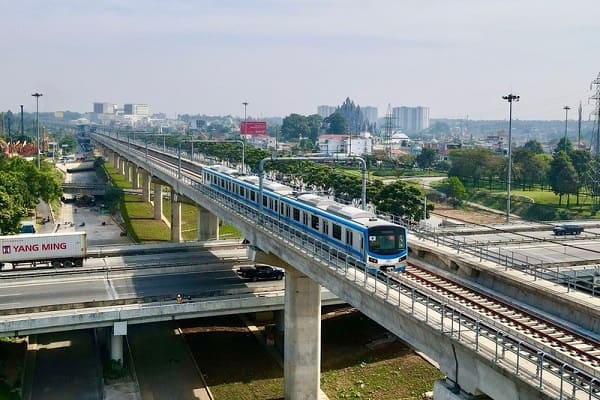 Alstom and Vingroup sign MoU to supply up to 200 Metro Trains for Hanoi Urban Rail Projects
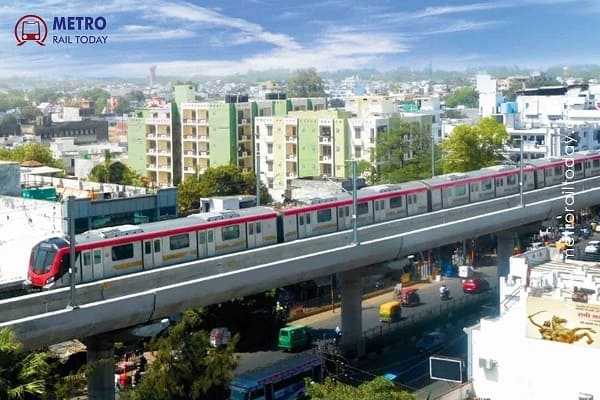 Afcons Infrastructure wins ₹1,383 crore Civil Contract for Lucknow Metro Phase 1B Corridor
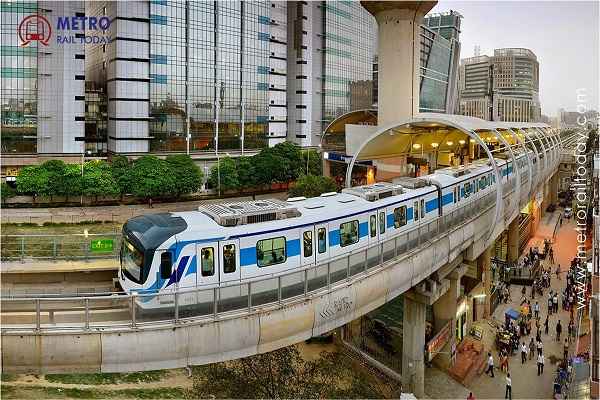 GMRL issues ₹1,662 crore Civil Tender for Sector 9–Cyber City Gurugram Metro Rail Corridor
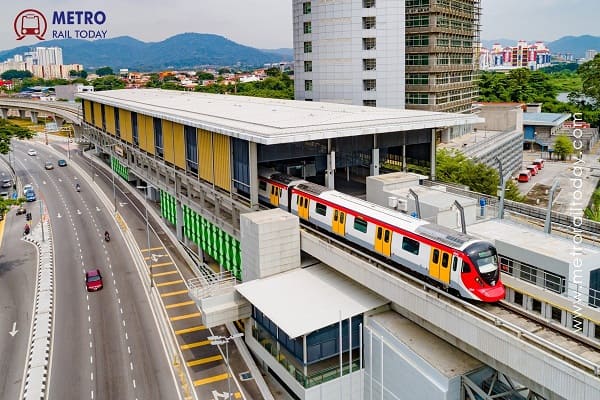 Madrid unveils €1.57 billion Metro Rail Expansion Programme with 27.8 km of New Corridors
 Global Tender launched for Project Management Consultancy for Abu Dhabi Tram Line 4
 NV Dynamics awarded Noise and Vibration Study contract for Jaipur Metro Phase 2 Project
 Two global consortia bid for India’s 350 kmph High-Speed Rail Design consultancy contract
 Larsen & Toubro (L&T) extends Hyderabad Metro stake sale timeline to 31 December 2026
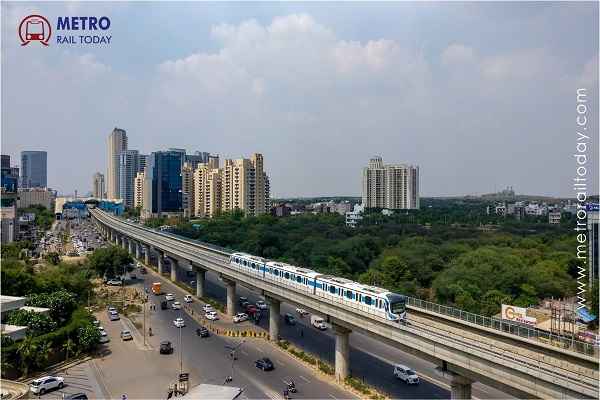 Haryana Govt approves ₹1,662 crore construction tender for Gurugram Metro Phase 2
Odisha plans India’s First Rail-Tech Park to build Railway Manufacturing Hub
MRT Online Desk
Posted on: 2026-08-07 06:15:00
Viewer: 1,868
Comments: 0
Country: India
City: Bhubaneswar
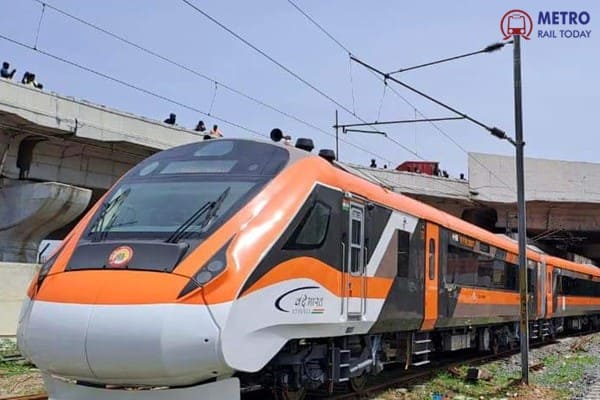
Bhubaneswar, India (Rail & Metro Today): Odisha is moving to establish India’s first dedicated Rail-Tech Park, aiming to create a specialised industrial ecosystem for the manufacturing of railway equipment, components and engineering products.
The proposed Rail-Tech Park at Sahaspur Industrial Estate in Khordha district is being developed as a cluster-based manufacturing destination, bringing railway equipment manufacturers, component suppliers, technology companies, MSMEs and specialised service providers together under one ecosystem.
The initiative comes as India accelerates railway modernisation and expands demand for domestically manufactured rolling stock, track systems, signalling equipment, safety systems and other critical railway components.
₹4,600 Crore Railway Manufacturing Investment Pipeline
Odisha has already attracted or proposed major investments linked to railway manufacturing, with the combined investment pipeline exceeding ₹4,600 crore.
Among the largest proposed investments is the Jupiter Tatravagonka Railwheel Factory (JTRWF) project, which is expected to involve an investment of more than ₹2,500 crore for a railway wheelset manufacturing facility.
Jupiter Wagons has also proposed an investment of around ₹1,500 crore for a rail-coach manufacturing unit in the state.
Other railway-related investments include approximately ₹250 crore by Amsted Steel Foundries, ₹200 crore by Rahee Track Technology, ₹70.5 crore by Synomac Technology and ₹55 crore by Surlon India.
The concentration of these investments has created an opportunity for Odisha to move beyond individual manufacturing projects and develop an integrated railway industrial cluster.
Rail-Tech Park to Create Complete Railway Ecosystem
The proposed park is expected to support manufacturing across a wide range of railway products and technologies.
The ecosystem could include railway wheels and axles, wagons and coaches, track components, braking systems, electrical equipment, signalling and safety systems, specialised railway engineering products, testing facilities and supporting services.
A dedicated cluster could provide companies with access to common infrastructure, testing facilities, specialised services, skilled manpower and an established supplier ecosystem.
This could reduce the cost and complexity associated with setting up individual manufacturing facilities while enabling companies to access component suppliers and customers within a concentrated industrial environment.
Jupiter’s Wheelset Project Anchors the Cluster
One of the key projects expected to strengthen Odisha's railway manufacturing ecosystem is the proposed Jupiter Railwheel facility.
The facility is expected to have the capacity to manufacture approximately 2,00,000 forged discs annually, along with around 1,00,000 wheelsets and axles every year.
The project is also expected to generate significant direct and indirect employment while creating demand for ancillary industries, engineering services, logistics and specialised manufacturing.
The development of domestic wheel and axle manufacturing capacity is particularly important as Indian Railways continues to modernise its rolling stock and strengthen its supply chain for critical railway components.
From Railway Factories to a Manufacturing Cluster
The Rail-Tech Park represents a shift in Odisha's industrial strategy—from attracting individual railway manufacturing projects to developing a dedicated cluster for the entire railway supply chain.
Such an ecosystem could enable large manufacturers to source components and services locally while providing MSMEs and technology companies with opportunities to become part of the railway supply chain.
It could also support technology transfer, specialised skill development and the growth of domestic engineering capabilities.
Supporting India’s Railway Modernisation
India's expanding railway modernisation programme is generating growing demand for domestically manufactured equipment. New-generation trains, railway electrification, dedicated freight corridors, high-speed rail, metro systems and safety modernisation programmes are creating opportunities across the railway manufacturing value chain.
Odisha's proposed Rail-Tech Park could therefore serve not only the state's railway projects but potentially become a manufacturing and export base for railway equipment and components.
With billions of rupees of railway-related investments already in the pipeline, the state is positioning Sahaspur Industrial Estate as a potential national hub for railway technology and manufacturing.
If successfully implemented, the Rail-Tech Park could strengthen India's Make in India and Atmanirbhar Bharat objectives by creating an integrated domestic ecosystem capable of producing high-value railway equipment for both the Indian market and global rail supply chains.


MRT Online Desk
Metro Rail Today is an authentic and global news provider for the Rail & Metro industry from and around the world.