


Trending Now
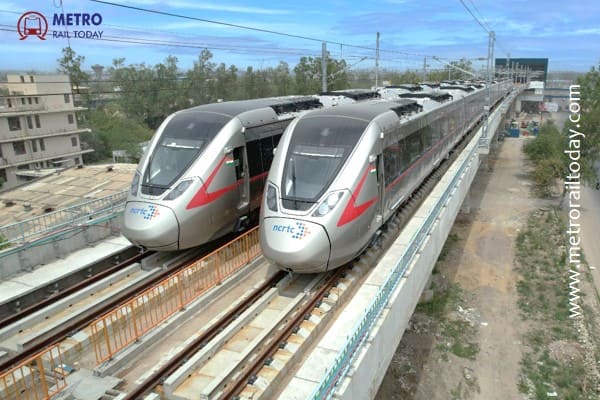 Karnataka proposes 270-km RRTS Network linking Bengaluru with Tumakuru, Mysuru and KGF
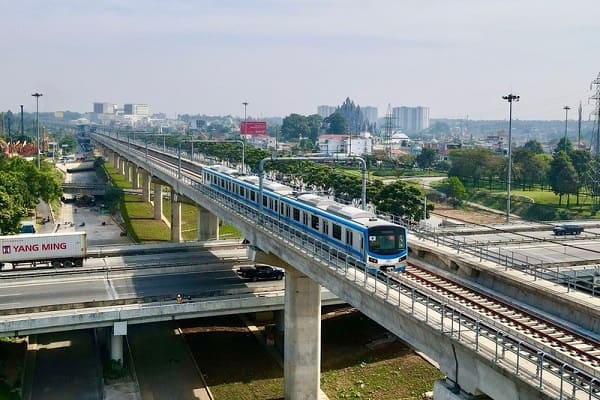 Alstom and Vingroup sign MoU to supply up to 200 Metro Trains for Hanoi Urban Rail Projects
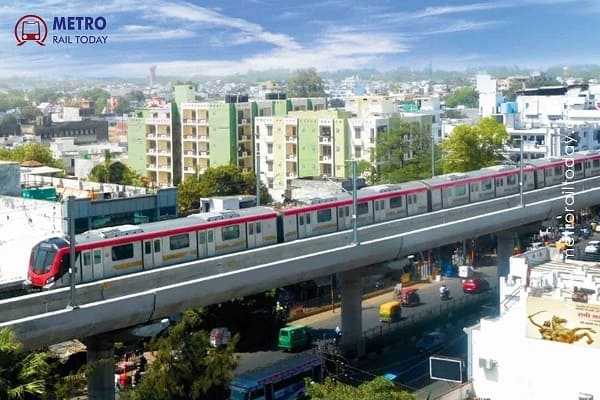 Afcons Infrastructure wins ₹1,383 crore Civil Contract for Lucknow Metro Phase 1B Corridor
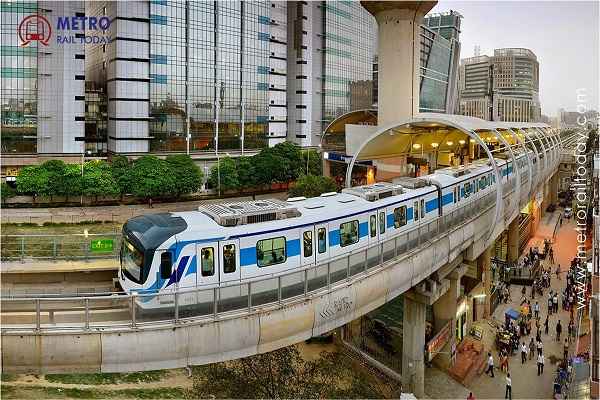 GMRL issues ₹1,662 crore Civil Tender for Sector 9–Cyber City Gurugram Metro Rail Corridor
 Madrid unveils €1.57 billion Metro Rail Expansion Programme with 27.8 km of New Corridors
 Global Tender launched for Project Management Consultancy for Abu Dhabi Tram Line 4
 NV Dynamics awarded Noise and Vibration Study contract for Jaipur Metro Phase 2 Project
 Two global consortia bid for India’s 350 kmph High-Speed Rail Design consultancy contract
 Larsen & Toubro (L&T) extends Hyderabad Metro stake sale timeline to 31 December 2026
 Haryana Govt approves ₹1,662 crore construction tender for Gurugram Metro Phase 2
Railway Board approves In-Principle merger of MRTS with Chennai Metro Rail System
MRT Online Desk
Posted on: 2025-08-01 07:05:00
Viewer: 8,043
Comments: 0
Country: India
City: Chennai
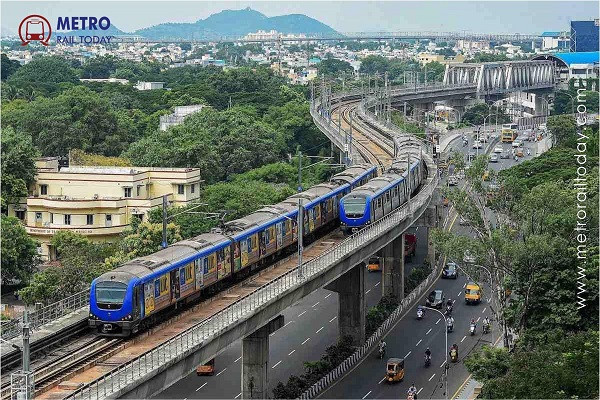
Chennai, India (Metro Rail Today): In a landmark development that promises to transform urban transportation in Tamil Nadu’s capital, the Railway Board has given its in-principle approval to merge the Chennai Mass Rapid Transit System (MRTS) with Chennai Metro Rail Limited (CMRL). The long-awaited integration is set to bring unified command, improved operational efficiency, and seamless commuter experience across the city’s rail transit networks.
Currently operated by Southern Railway, the MRTS is a 19.34-km elevated suburban line connecting Chennai Beach to Velachery, with further extensions toward St. Thomas Mount nearing completion. However, for years, the MRTS has faced issues such as low ridership, service gaps, under-maintained infrastructure, and lack of integration with the modern Chennai Metro network operated by CMRL.
The merger will enable single-ticketing, integrated operations, and better asset management, offering Chennai commuters a more unified and modern urban rail experience. CMRL, which has been successfully running the city’s metro system under global standards, is expected to upgrade MRTS infrastructure and bring in customer-centric innovations such as real-time train tracking, AC coaches, better station accessibility, and smoother interchange facilities.
A high-level official from Southern Railway confirmed that the Railway Board’s nod has now paved the way for the next steps, which involve financial valuation, legal clearances, transfer of assets, and staff redeployment. The state government of Tamil Nadu and Ministry of Housing and Urban Affairs (MoHUA) are expected to coordinate further action.
Transport experts and urban planners have long advocated for this merger, noting that the duplication of command and separation of operations had hindered the full potential of MRTS. The integration with CMRL is aligned with national policies promoting multimodal transport solutions and efficient public asset utilization.
According to sources, post-merger, the MRTS alignment from Chennai Beach to St. Thomas Mount will become a part of Chennai Metro’s Corridor 4, which is being extended under Phase II works. Once complete, passengers will be able to travel seamlessly between Velachery, Anna Salai (Mount Road), and onward to Poonamallee in the western suburbs, with improved connectivity to city centers, IT hubs, and residential zones.
Commenting on the development, Mrs. Mamta Shah, MD & CEO of Urban Infra Group, said, “The merger of MRTS with CMRL is a transformative step that will unlock the full value of Chennai’s urban rail infrastructure. A unified network means better last-mile integration, smarter scheduling, and enhanced commuter experience. It also reflects the future of public transport in India—one that is accessible, integrated, and built around people.”
The Tamil Nadu government has welcomed the Railway Board’s move and is expected to expedite the financial and administrative transition processes. Once completed, this merger will make Chennai the second major Indian city after Delhi to unify metro and suburban systems under a single agency, potentially setting a model for other urban regions.
With Phase II of Chennai Metro already under full-scale construction—covering 118.9 km across three corridors—the MRTS merger is anticipated to significantly amplify the reach, ridership, and operational capacity of Chennai’s future mobility landscape.

MRT Online Desk
Metro Rail Today is an authentic and global news provider for the Rail & Metro industry from and around the world.