

Trending Now
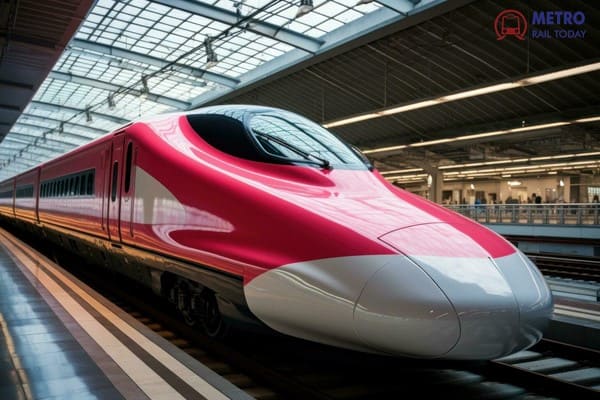
 RCF Kapurthala rolls out First Vande Bharat Trainset, Expanding India’s coach manufacturing base
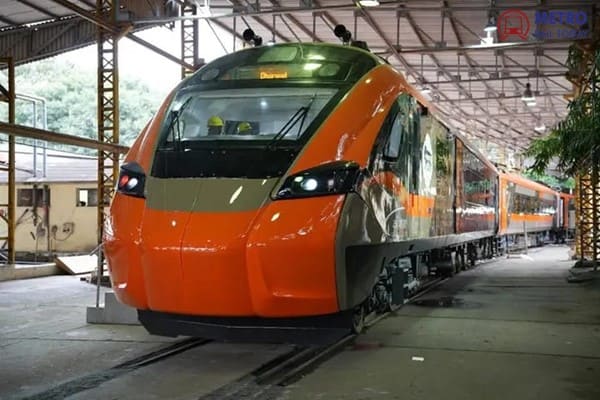
 NCRTC signs MoU with IIT Roorkee to boost Research and Innovation in Urban Mobility
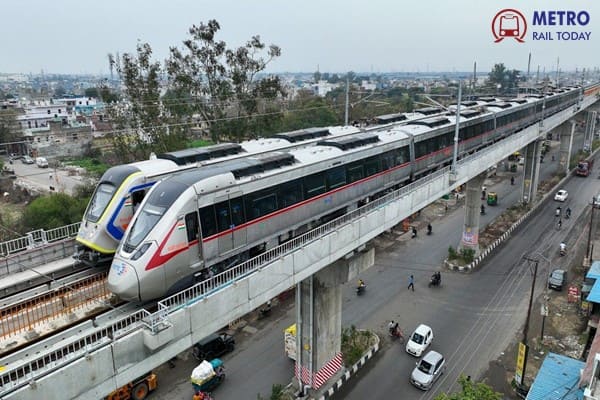
 Railway Ministry targets DPR completion for three new Bullet Train Corridors by March 2027
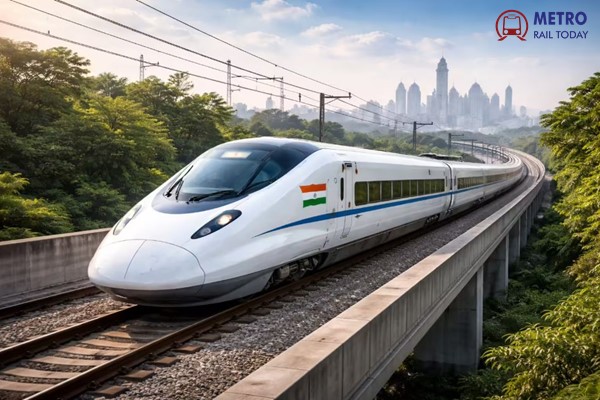
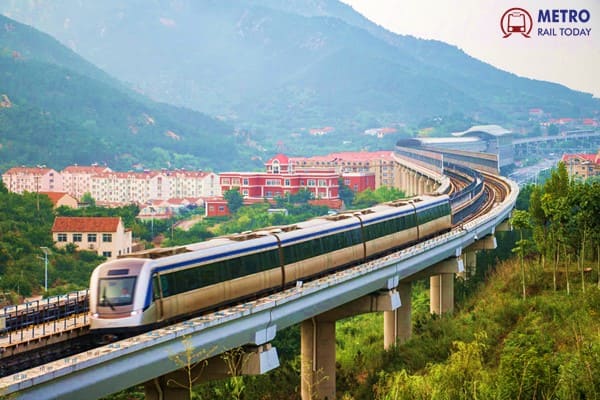 Odisha terminates Bhubaneswar Metro Rail project agreement with DMRC over Feasibility concerns
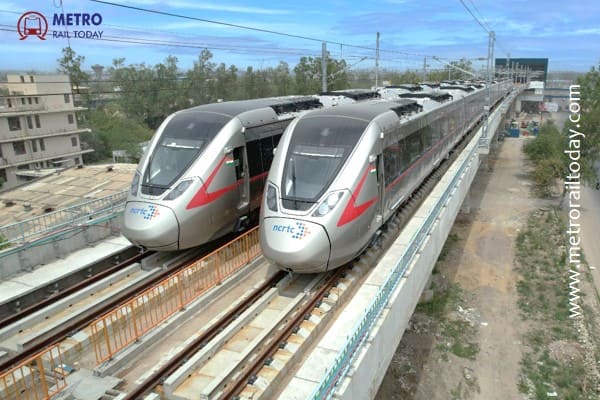 No DPR submitted for Delhi–Rohtak–Hisar and Delhi–Faridabad–Palwal Namo Bharat RRTS Corridors
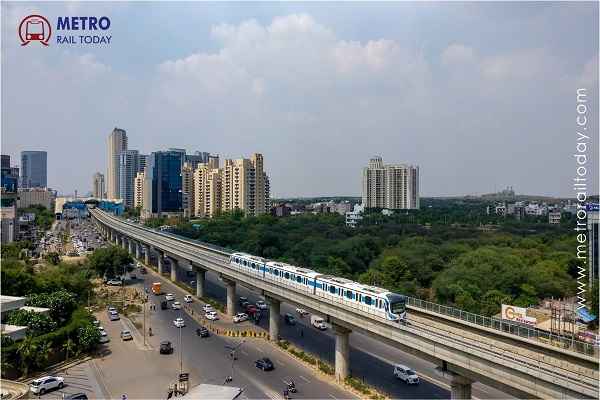 Systra signs DDC Contract for Power & Traction Systems of 28.5 km Gurugram Metro Corridor
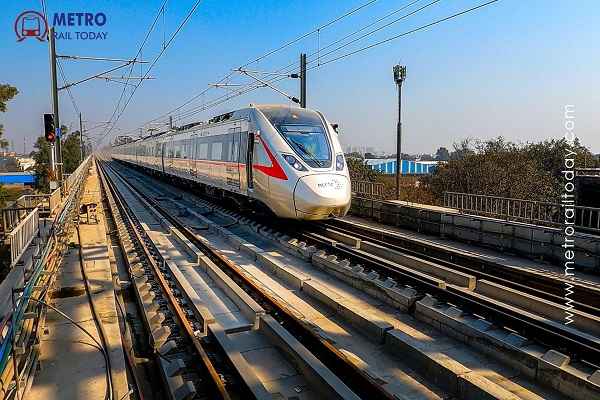 NCRTC begins groundwork for 136-km Delhi–Panipat–Karnal Namo Bharat RRTS Corridor
- India targets March 2027 Rollout of First Indigenous Bullet Train 'Bharat B28’
 JICA approves ¥92.4 billion ODA Loan for Mumbai Metro Line 11
 CLW sets Global Benchmark with record 800 Electric Locomotives production in FY 2025–26
Railway Ministry targets DPR completion for three new Bullet Train Corridors by March 2027
MRT Online Desk
Posted on: 2026-04-03 11:40:00
Viewer: 95
Comments: 0
Country: India
City: New Delhi
New Delhi, India (Metro Rail Today): The Ministry of Railways has set an ambitious target to complete the Detailed Project Reports (DPRs) for three proposed high-speed rail corridors—Hyderabad–Chennai, Hyderabad–Bengaluru, and Patna–Siliguri—by March 2027, marking a significant step forward in India’s expanding bullet train network.
According to the Ministry, the DPRs for these corridors are expected to be completed between September 2026 and March 2027, following which project execution will be taken up based on approvals and sanction timelines outlined in the respective reports. These corridors were announced by Finance Minister Nirmala Sitharaman in the Union Budget 2026–27, underlining the government’s continued push toward high-speed rail infrastructure.
The Patna–Siliguri corridor forms a crucial segment of the larger Varanasi–Siliguri high-speed rail project, which aims to enhance connectivity across eastern India. Once operational, the Varanasi–Patna–Siliguri route is expected to significantly reduce travel time to approximately 2 hours and 55 minutes, transforming intercity mobility in the region.
Similarly, the proposed Hyderabad–Chennai high-speed corridor is projected to bring down travel time to around 2 hours and 55 minutes, while the Hyderabad–Bengaluru route could enable passengers to travel between the two major technology hubs in just 1 hour and 13 minutes, offering a major boost to economic and business connectivity.
Earlier in February 2026, the Railway Board had entrusted the National High-Speed Rail Corporation Limited (NHSRCL) with the implementation of seven new bullet train corridors, including Mumbai–Pune, Pune–Hyderabad, Chennai–Bengaluru, Delhi–Varanasi, and Varanasi–Siliguri, among others. The Board also directed the formation of dedicated core teams for each project, establishment of project-specific headquarters, and initiation of pre-construction activities and contract documentation processes to accelerate execution.
Parallel to corridor development, the Ministry is also advancing indigenous rolling stock capabilities. It has set a target to manufacture India’s first bullet train, the ‘B28’, by March 2027. The train is being developed by BEML at its Bengaluru facility and is designed for a top speed of 280 kmph, with an operational speed of 250 kmph. The B28 trainset will feature fully air-conditioned chair car coaches equipped with modern passenger amenities such as reclining and rotatable seats, dedicated provisions for passengers with reduced mobility, and onboard infotainment systems.
Commenting on the development, Mrs. Mamta Shah, MD & CEO, Urban Infra Group, said, “The simultaneous push for DPR finalisation and indigenous rolling stock development reflects a maturing high-speed rail ecosystem in India. Strategic corridor planning, backed by strong execution frameworks, will be critical in ensuring timely delivery and long-term viability of these capital-intensive projects.”
With multiple corridors under planning and execution, India’s high-speed rail program is steadily gaining momentum, positioning itself as a key pillar of the country’s future-ready, high-capacity transport infrastructure.

MRT Online Desk
Metro Rail Today is an authentic and global news provider for the Rail & Metro industry from and around the world.