


Trending Now
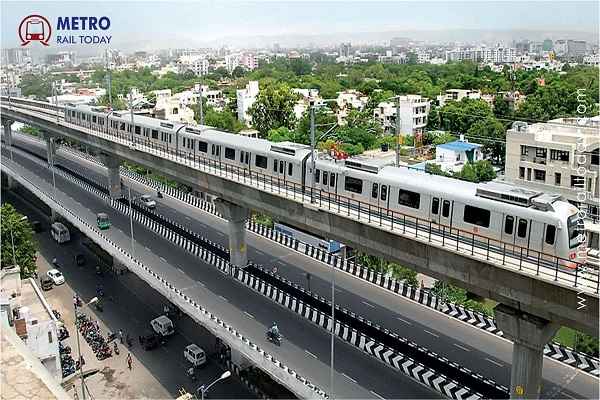 Alstom to deploy DTG Signalling System for Jaipur Metro’s 5.2-km Phase-1 Extension
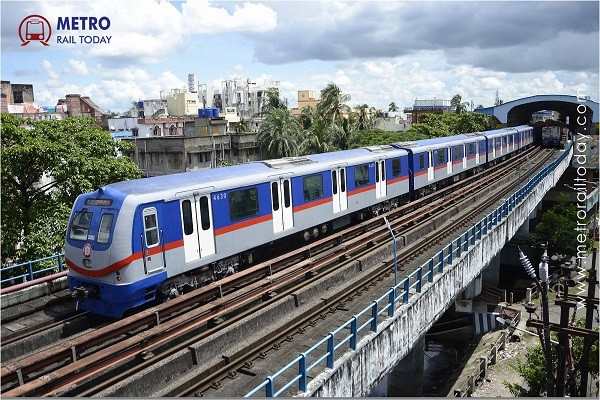 RVNL floats ₹297.45-crore Power Systems Tender for Kolkata Metro Purple Line
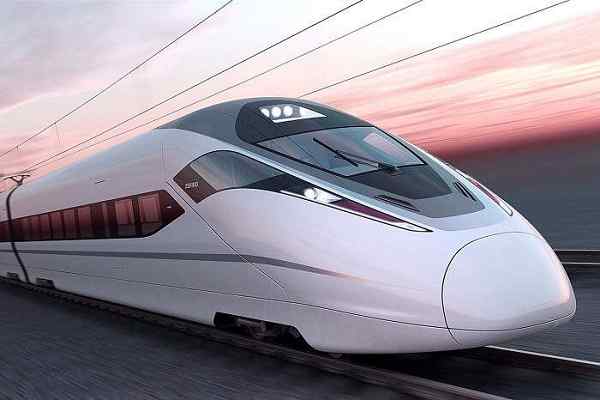 Siemens Mobility awarded $772 million Trainset Contract for California High-Speed Rail Project
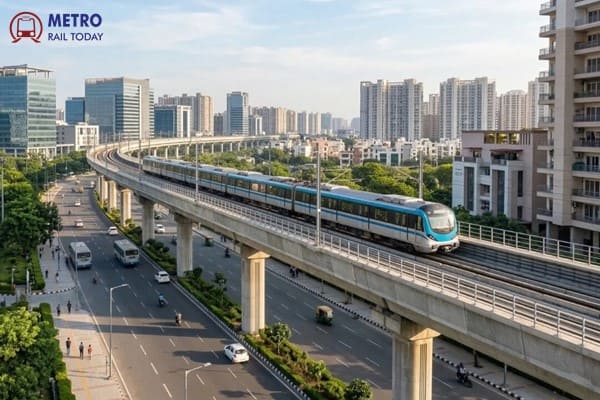 RITES submits fresh DPR to UPMRC for ₹12,000 crore Prayagraj Metro Rail Project
 Paras Railtech wins ₹84.72 crore Ballastless Track Contract for Jaipur Metro Rail Project
 Indian Railways announces 3,548 Graduate-Level Vacancies under NTPC Recruitment 2026
 European Union sanctions €10 million to support extension of Hanoi Metro Line 3
 GMRC issues ₹683 crore Tender for construction of 8.68 km stretch for Ahmedabad Metro
- GMRC launches ₹439 crore Tender for construction of 5 New Ahmedabad Metro Stations
 Global tender issued for procurement of 60 Rolling Stock coaches for Hyderabad Metro Rail Project
Russia offers Ivolga FG High-Speed Trains for India’s future Bullet Train projects
MRT Online Desk
Posted on: 2026-09-14 16:30:00
Viewer: 1,532
Comments: 0
Country: India
City: New Delhi
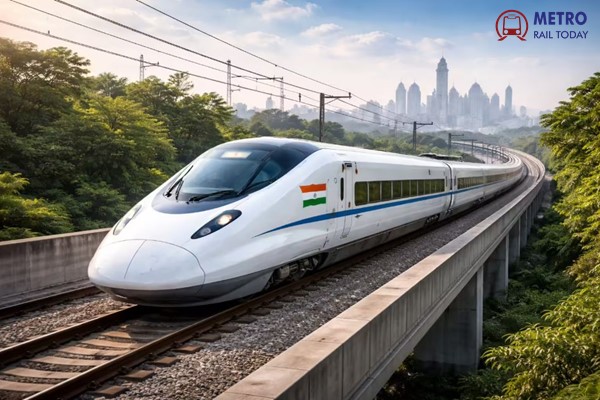
New Delhi, India (Rail & Metro Today): Russia is looking to deepen its participation in India’s rapidly developing high-speed rail sector, with Transmashholding (TMH) offering its Ivolga FG high-speed train as a potential solution for future projects in the country. The Russian rolling stock major has proposed working with Indian partners to develop and manufacture high-speed trains domestically, combining Russian railway technology with India’s growing manufacturing capabilities.
The Ivolga FG has been designed for speeds of up to 360 kmph, positioning it among the high-speed train technologies that could potentially be considered for India's future rail expansion. Beyond supplying technology, TMH has also proposed cooperation in research and development, with the potential partnership aimed at bringing together Russian expertise in railway engineering, technology and scientific research and India's expanding rail manufacturing ecosystem.
TMH Seeks Greater Role in India’s High-Speed Rail Sector
India is entering a new phase of railway modernisation, with high-speed and semi-high-speed rail increasingly becoming important components of the country's long-term mobility strategy. While the Mumbai–Ahmedabad High-Speed Rail project is currently the country's flagship high-speed rail programme, planning for additional corridors is expected to create opportunities for international technology providers and domestic manufacturers.
TMH's proposal comes at a time when India is placing increasing emphasis on technology transfer, local manufacturing and development of indigenous railway capabilities. A potential partnership around the Ivolga FG could therefore extend beyond rolling stock supply and involve domestic production and technical collaboration.
According to Mrs. Mamta Shah, MD & CEO, Urban Infra Group, international partnerships could play an important role in developing India's next generation of high-speed railway technology.
“India's future high-speed rail network will require not only advanced rolling stock but also a strong domestic ecosystem for manufacturing, maintenance, engineering and research. Partnerships that combine international technology with Indian manufacturing capabilities can help accelerate technology development while supporting the long-term objective of building a globally competitive railway industry in India.”
Existing India-Russia Railway Partnership
TMH already has an established presence in the Indian railway sector through Kinet Railway Solutions, a joint venture between Transmashholding and Rail Vikas Nigam Limited (RVNL).
The partnership is currently associated with the manufacturing and maintenance programme for Vande Bharat sleeper trains, giving TMH an existing industrial and technical base in India's railway market.
Under the programme, 120 Vande Bharat sleeper trainsets are planned to be manufactured. Each trainset will comprise 16 coaches, with production taking place at the upgraded Marathwada Rail Coach Factory in Latur, Maharashtra.
The project represents a significant step in expanding India's domestic capability to manufacture modern long-distance passenger trainsets and provides an important platform for collaboration between Indian and Russian railway companies.
Vande Bharat Sleeper Prototype Under Development
Manufacturing work on the first Vande Bharat sleeper prototype is currently underway at the upgraded Marathwada Rail Coach Factory.
According to RVNL, the prototype is expected to roll out during the current financial year, by March 2027. The development of the sleeper version is expected to expand the Vande Bharat platform beyond daytime intercity services and provide a modern train option for longer-distance journeys.
The programme also demonstrates the increasing role of domestic manufacturing facilities in India's railway modernisation drive. Developing trainsets within the country can support local supply chains, create specialised engineering capabilities and strengthen India's ability to manufacture advanced passenger rolling stock.
Ivolga FG Could Open New Technology Opportunities
The proposed Ivolga FG collaboration could potentially take the India-Russia railway relationship into a new segment focused on high-speed rolling stock. With a proposed operating speed of up to 360 kmph, the train represents a technology platform that could be evaluated for future high-speed rail requirements, subject to India's technical, operational and regulatory standards.
The potential cooperation in research and development could be equally significant. High-speed rail requires specialised expertise in areas such as aerodynamics, traction, braking, passenger safety, signalling interfaces, bogie technology, materials and systems integration.
For India, developing these capabilities alongside domestic manufacturing could help create a broader high-speed rail industrial ecosystem rather than relying solely on imported rolling stock.
India’s High-Speed Rail Ambitions Expand
The growing interest of international rolling stock manufacturers reflects the increasing scale of India's railway modernisation programme. The country is simultaneously developing high-speed rail, semi-high-speed Vande Bharat services, metro systems, regional rapid transit and modern freight infrastructure.
The Mumbai–Ahmedabad High-Speed Rail project is establishing the technological foundation for India's first high-speed railway, while domestic manufacturers and international partners are increasingly contributing to the development of advanced rolling stock.
If the proposed cooperation progresses, the Ivolga FG could become another technology option for consideration as India evaluates future high-speed rail corridors. The larger significance, however, may lie in the possibility of joint development and domestic manufacturing, which could help India build expertise that extends beyond individual projects.
The proposed TMH partnership thus comes at an important stage in India's railway transformation. From the ongoing Vande Bharat sleeper programme at Latur to potential future high-speed train development, India and Russia are exploring opportunities to combine technology, manufacturing and engineering capabilities in support of a more advanced and self-reliant railway ecosystem.

MRT Online Desk
Metro Rail Today is an authentic and global news provider for the Rail & Metro industry from and around the world.