

Trending Now
 Karnataka proposes 270-km RRTS Network linking Bengaluru with Tumakuru, Mysuru and KGF
 Alstom and Vingroup sign MoU to supply up to 200 Metro Trains for Hanoi Urban Rail Projects
 Afcons Infrastructure wins ₹1,383 crore Civil Contract for Lucknow Metro Phase 1B Corridor
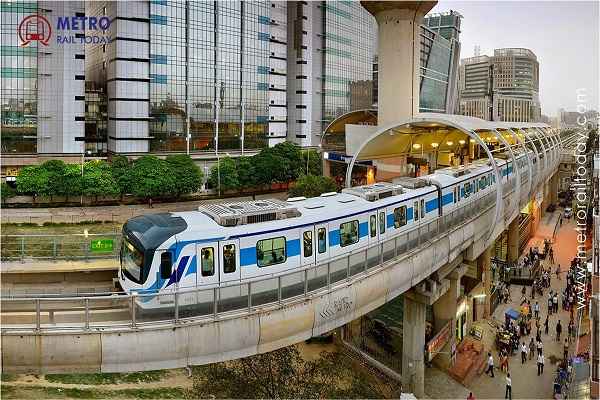 GMRL issues ₹1,662 crore Civil Tender for Sector 9–Cyber City Gurugram Metro Rail Corridor
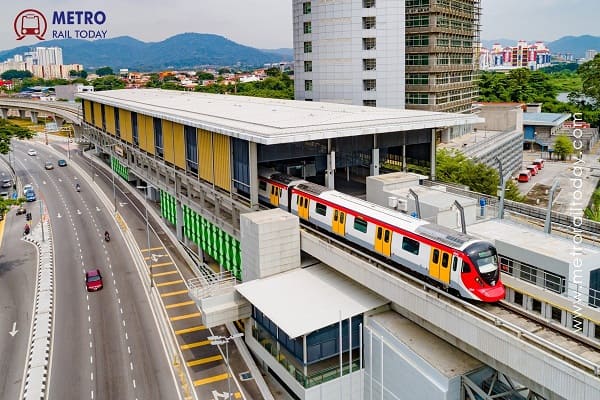 Madrid unveils €1.57 billion Metro Rail Expansion Programme with 27.8 km of New Corridors
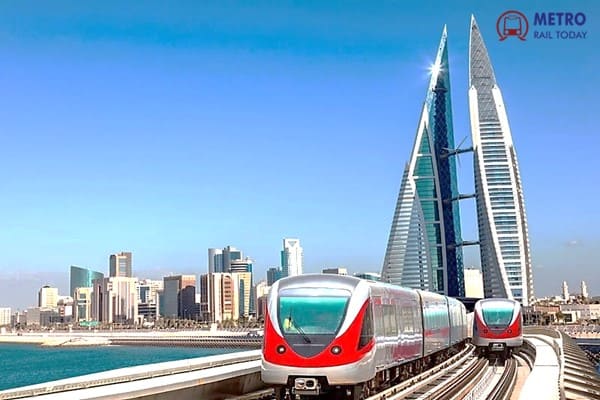 Global Tender launched for Project Management Consultancy for Abu Dhabi Tram Line 4
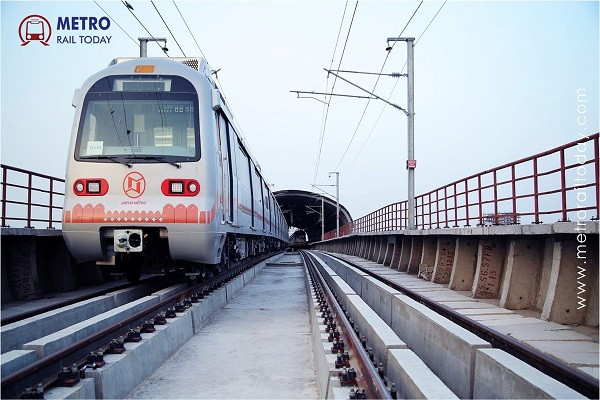 NV Dynamics awarded Noise and Vibration Study contract for Jaipur Metro Phase 2 Project
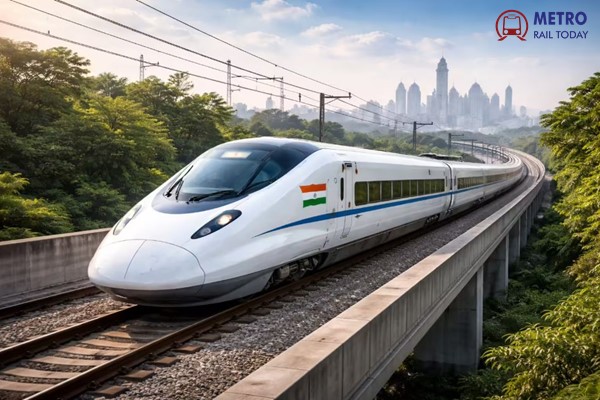 Two global consortia bid for India’s 350 kmph High-Speed Rail Design consultancy contract
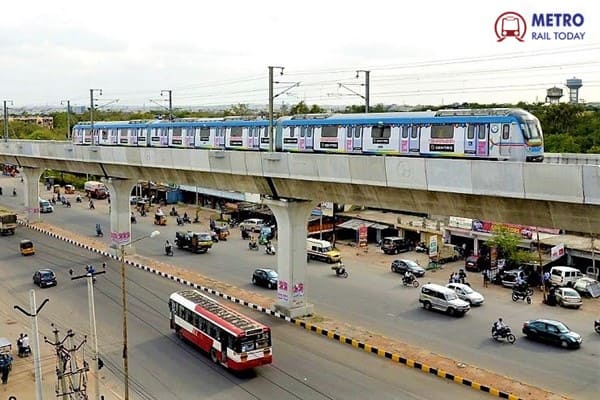 Larsen & Toubro (L&T) extends Hyderabad Metro stake sale timeline to 31 December 2026
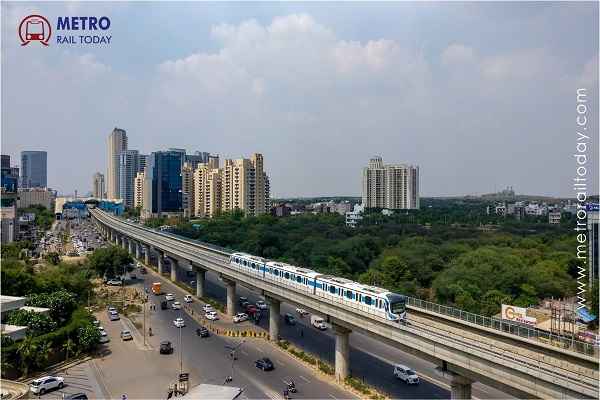 Haryana Govt approves ₹1,662 crore construction tender for Gurugram Metro Phase 2
South India's 744-km Chennai–Hyderabad Bullet Train Corridor set to transform connectivity
MRT Online Desk
Posted on: 2026-03-09 08:10:00
Viewer: 3,911
Comments: 0
Country: India
City: Chennai
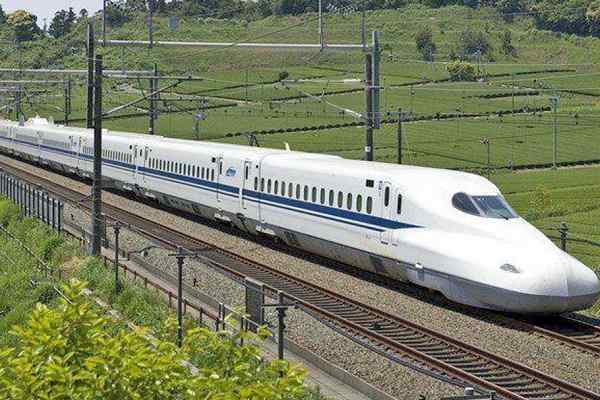
Chennai, India (Metro Rail Today): India’s high-speed rail ambitions are steadily expanding beyond the Mumbai–Ahmedabad Bullet Train project, with the proposed Chennai–Hyderabad High-Speed Rail Corridor emerging as one of the most promising future initiatives aimed at transforming intercity connectivity in southern India.
The proposed corridor is expected to significantly reduce travel time between the two major metropolitan cities while strengthening economic linkages across Tamil Nadu, Andhra Pradesh, and Telangana.
The Chennai–Hyderabad High-Speed Rail corridor is planned to span approximately 744 kilometres, enabling trains to operate at speeds of up to 320–350 km/h.
Once operational, the corridor could reduce the current rail travel time between the two cities—from 10 to 12 hours—to just around 2 to 2.5 hours, offering a fast and efficient mobility alternative for business travellers, tourists, and daily commuters.
The planned alignment is designed to connect several important economic and administrative centres across South India. The proposed route is expected to run through Hyderabad, Shamshabad, Narketpally, Suryapet, Amaravati, Guntur, Ongole, Nellore, Tirupati, and Chennai.
By linking major urban and industrial hubs, the corridor aims to enhance regional mobility while also supporting tourism and economic development along the route.
The project is expected to adopt Japanese Shinkansen-style high-speed rail technology, similar to the system being implemented for the Mumbai–Ahmedabad High-Speed Rail corridor.
Key infrastructure features are likely to include dedicated high-speed tracks designed exclusively for bullet trains, advanced safety and signalling systems, and fully grade-separated alignments to ensure uninterrupted operations.
The stations along the corridor are expected to incorporate modern passenger facilities and transit-oriented development (TOD) concepts, enabling integrated urban development around high-speed rail hubs.
Experts believe the corridor could play a pivotal role in shaping what is increasingly referred to as the South India Economic Triangle, linking three major growth engines of the region.
Commenting on the proposed corridor, Mrs. Mamta Shah, MD & CEO, Urban Infra Group, said that expanding India’s high-speed rail network will play a crucial role in strengthening intercity mobility and regional economic integration.
“High-speed rail has the potential to transform how major cities interact economically and socially. Corridors like the proposed Chennai–Hyderabad route can significantly reduce travel times while unlocking new opportunities for regional growth, business connectivity, and tourism across southern India,” she said.
She added that integrating high-speed rail with transit-oriented development and multimodal transport networks could further maximise the economic benefits of such infrastructure investments.
Chennai serves as one of India’s largest manufacturing and port-based industrial hubs, while Hyderabad has emerged as a global information technology and pharmaceutical powerhouse. Meanwhile, the Amaravati–Guntur region is evolving as an important administrative and economic centre in Andhra Pradesh.
By connecting these regions through high-speed rail, the corridor could stimulate regional economic development, tourism growth, logistics efficiency, and real estate development around station areas.
Preliminary work for the project has already progressed in several stages. Feasibility studies and alignment surveys have been completed, and the Detailed Project Report (DPR) has been submitted to the respective state governments for consideration.
The project is currently awaiting further approvals, after which the next steps will include detailed planning, financing arrangements, and eventual construction.


MRT Online Desk
Metro Rail Today is an authentic and global news provider for the Rail & Metro industry from and around the world.