

Trending Now
 MMRDA seeks ₹14,100 Crore Loan for two upcoming Mumbai Metro Corridors
 Jupiter Wagons Eyes ₹20,000-Crore Mumbai Suburban Mega Rolling Stock Tender
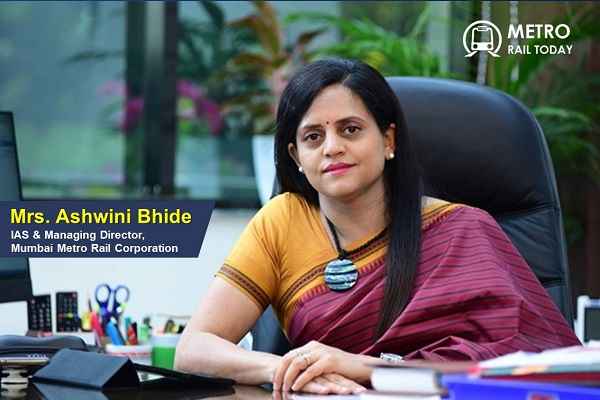 Mumbai Metro Chief Ashwini Bhide appointed as First Woman BMC Commissioner
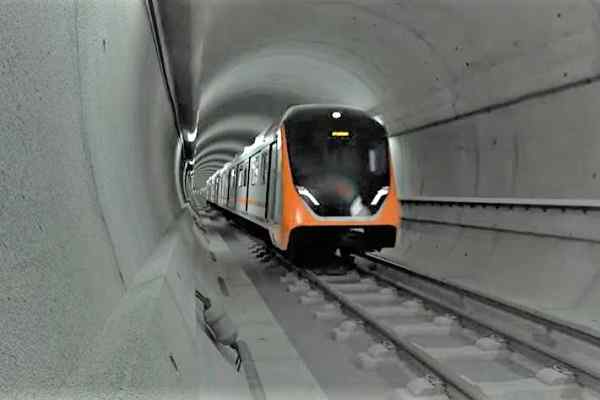 TBM ‘Parvati’ completes Underground Tunnelling on Kanpur Metro Phase 1 Project
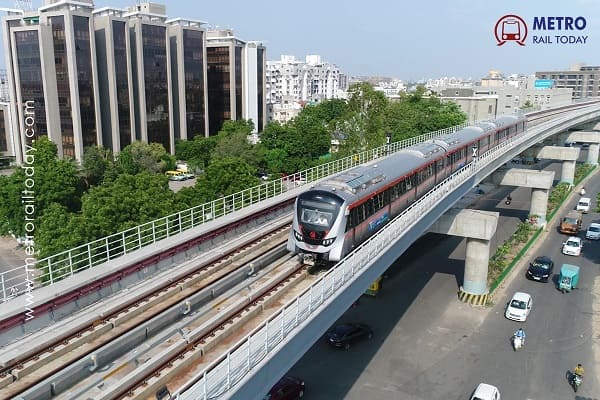 Surat Metro begins First Trial Run on 8.5 km Diamond Corridor between Dream City and Althan Tenement
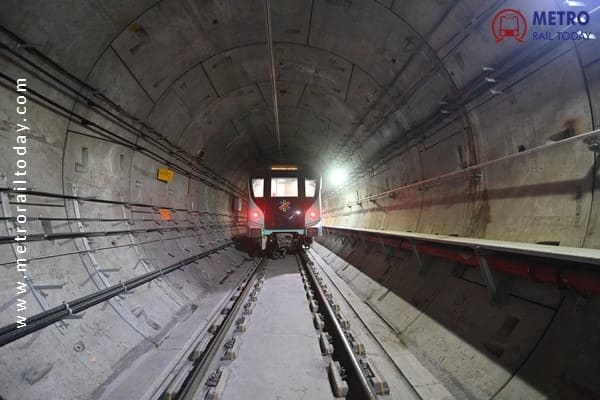 Cemindia wins ₹1,024 crore Civil Contract for Central Vista Tunnel Package of Delhi Metro Phase V
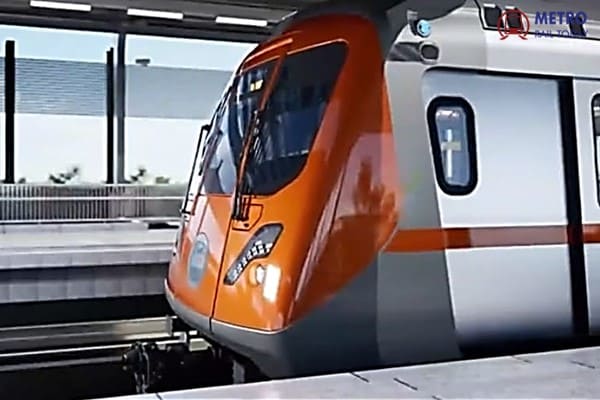 TBM ‘Durgavati’ begins tunneling works on Bhopal Metro Underground Stretch
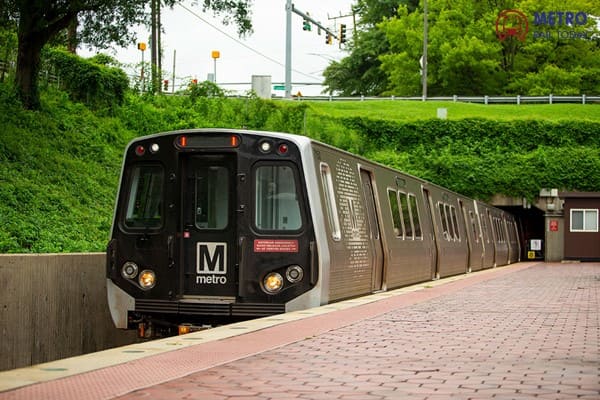 Washington Metro celebrates its Golden Jubilee—50 years of passenger service
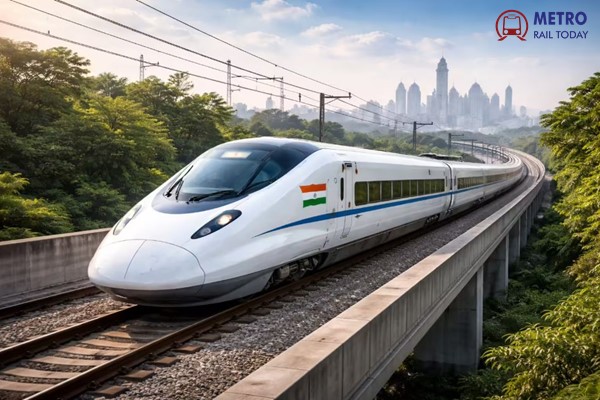 Two TBMs arrive in Mumbai for undersea tunneling on Mumbai-Ahmedabad Bullet Train Project
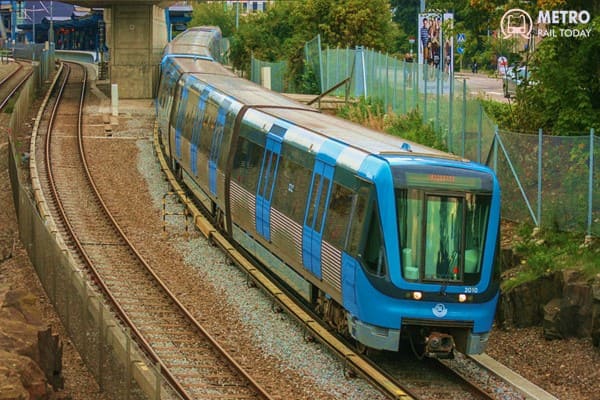 Alstom awarded €915 million Rolling Stock Contract for Belgrade’s First Driverless Metro Line
The Quiet Engine: Incredible Story of 40 Years of Indian Railway Finance Corporation (IRFC)
Dr. Vinod Shah
Posted on: 2025-12-11 11:00:00
Viewer: 7,706
Comments: 0
Country: India
City: New Delhi
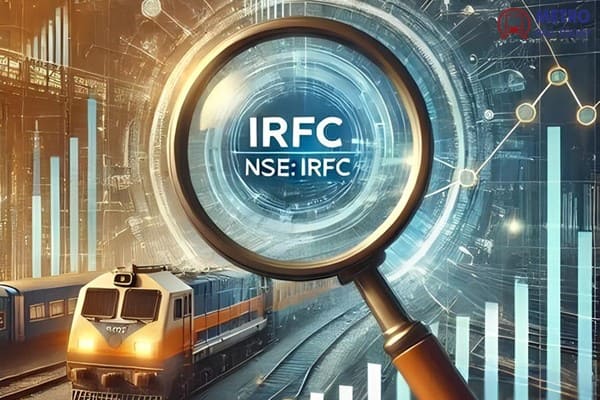
The story of the Indian Railway Finance Corporation (IRFC) is not one of roaring locomotives or bustling station platforms. It is the narrative of a quiet, yet incredibly powerful, financial engine that has relentlessly driven the expansion and modernization of one of the world's largest railway networks—the Indian Railways. Since its inception in 1986, IRFC has remained a "hidden leader," a cornerstone that turns the ambitious vision of the Ministry of Railways into tangible steel and speed.
1986–2000: The Genesis and Formative Years
The genesis of IRFC on December 12, 1986, came at a crucial time. The Indian Railways' need for capital expenditure (Capex) was constantly outstripping the budgetary resources available from the government. The solution was the establishment of a dedicated financial arm—a mechanism to tap the domestic and international capital markets for Extra Budgetary Resources (EBR).
-
The Leasing Model: The core of its operations was—and largely remains—a sophisticated financial leasing model. IRFC raises funds, purchases the rolling stock, and then leases it to the Indian Railways on a cost-plus basis. This model provides IRFC with a stable, predictable, and low-risk revenue stream.
-
Early Milestones: It rapidly grew, becoming a Public Financial Institution by 1993 and a registered Non-Banking Financial Company (NBFC) with the RBI by 1998, securing the highest possible credit ratings thanks to the sovereign backing.
2000–2010: Scaling Up and Financial Juggernaut
As the new millennium dawned, the scale of Indian Railways' ambition grew, and with it, the role of IRFC expanded dramatically. It cemented its role as the dominant financier, consistently meeting massive EBR requirements efficiently and at competitive rates.
-
Consistent Performance: The Corporation established an impeccable track record, earning profits every year since its inception and consistently receiving the highest "Excellent" performance rating from the Department of Public Enterprises.
2010–2020: Infrastructure, Global Reach, and the IPO
The second half of IRFC's journey saw a crucial strategic shift: expanding its mandate from just financing rolling stock to funding core railway infrastructure projects and capacity enhancement works.
-
Global Footprint: Demonstrating financial sophistication, IRFC was the first Indian CPSE (Central Public Sector Enterprise) to issue a 30-year tenor bond in overseas markets, securing lower-cost, long-term capital and setting a benchmark for other Indian entities.
-
The IPO Phenomenon (2021): The Initial Public Offering (IPO) in January 2021 brought IRFC’s robust financial health and critical national role into the public eye, transforming it from a purely internal financier to a publicly listed entity.
IRFC’s Specific Contributions
IRFC’s funding has been the silent accelerator behind nearly every modernization drive in the Indian Railways.
1. Rolling Stock: The Moving Fleet
IRFC has been the primary financier of the entire fleet of the Indian Railways, effectively owning and leasing approximately 70% to 80% of the country’s rolling stock. As of the latest figures, this contribution includes the acquisition of:
2. Infrastructure & Capacity Enhancement
From 2011-12 onwards, IRFC’s mandate expanded to finance core railway projects, transforming the network itself:
Railway Electrification: Significant loans, including a major loan of $750 million from the Asian Development Bank (ADB), were channelled through IRFC to finance the electrification of thousands of kilometers of railway tracks. This supports the Indian Railways’ goal of achieving Net Zero Carbon Emission by 2030.
Dedicated Freight Corridors (DFCs): While not the sole financier, IRFC has played a supportive role in funding capacity works that feed into and complement the DFCs.
Lending to Rail PSUs: IRFC actively lends to other railway entities for critical projects, including:
- Rail Vikas Nigam Limited (RVNL) for new lines, doubling, and gauge conversion.
- RailTel Corporation of India Limited (RailTel) for communication and signaling modernization.
- Konkan Railway Corporation Limited (KRCL) for essential infrastructure works.
2020–Present: Navratna Status and Strategic Diversification
The grant of the prestigious Navratna status in March 2025 was a crowning achievement, recognizing its financial strength (with revenues exceeding ₹26,600 crore and profits over ₹6,400 crore as of FY 2023-24) and empowering it with greater autonomy.
IRFC 2.0 - Diversification: The company is now aggressively pursuing its "IRFC 2.0" plan to diversify its lending portfolio beyond the core Indian Railways budget, targeting sectors with strong forward and backward linkages to the rail network:
- Energy & Renewables: Funding for NTPC’s Rail Infrastructure and Renewable Energy (RE) projects that will supply power to the Indian Railways, directly supporting the Net Zero mission.
- Ports & Logistics: Financing infrastructure that improves rail connectivity to ports and logistics hubs.
- Metro Rail: Exploring opportunities to finance high-value Metro and Rapid Rail projects across major cities.
IRFC’s remarkable four-decade journey is defined by its ability to raise capital at the lowest possible cost (often enjoying an AAA rating) and passing that benefit directly to the nation's most vital logistical asset, the Indian Railways. With its zero Non-Performing Assets (NPAs) record, it remains a symbol of unparalleled financial prudence among state-owned enterprises, truly the quiet engine powering India's progress.


Dr. Vinod Shah
Dr. Vinod Shah is an experienced urban transport journalist, blogger and key opinion leader.