


Trending Now
 Ranjit Buildcon Wins ₹383.98 Crore Civil Contract for Lucknow Metro Phase 1B
 Tamil Nadu seeks Central Support for new Metro Rail Projects in Coimbatore, Hosur and Madurai
 Future Metro Control Centres: ST Engineering Transforms Command Rooms to Intelligent Nerve Centres
 Kochi Metro unveils Visionary Design for Phase II Pink Line Metro Stations
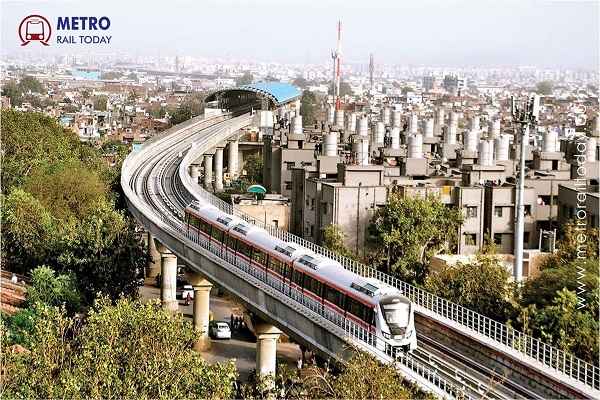 Design Consultancy Tenders floated for Ahmedabad Metro Phase 3 Elevated Corridors
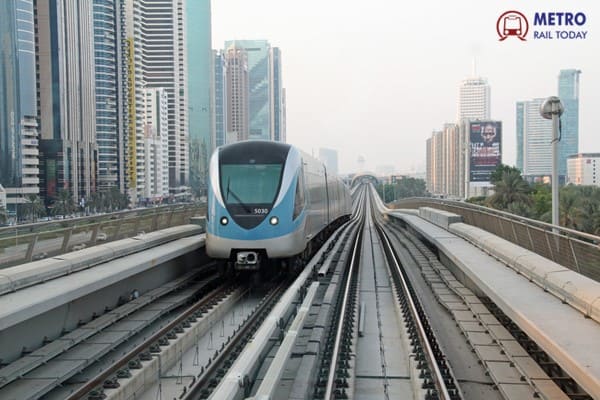 Global Metro Rail Infrastructure Market projected to reach US$ 78.3 billion by 2033
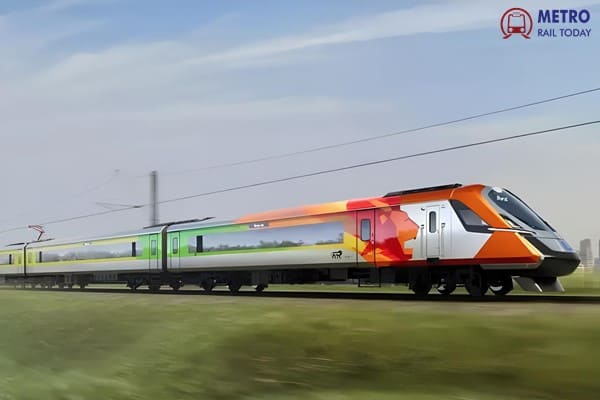 Kinet’s Vande Bharat Sleeper Concept wins prestigious Italian A’ Design Award
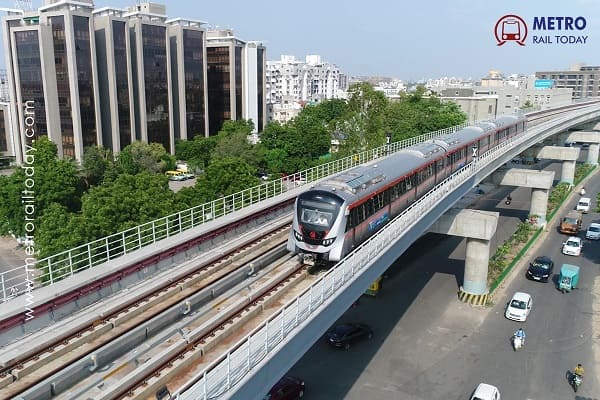 SYSTRA awarded Design Consultancy Contract for Ahmedabad Metro Phase 2 Extensions
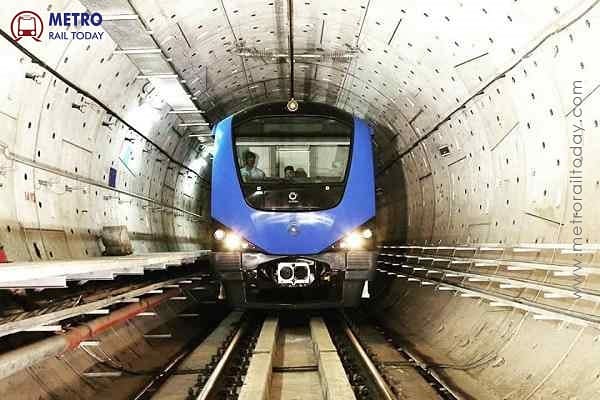 TBM Servarayan achieves Tunnel Breakthrough on Corridor 3 of Chennai Metro Phase 2
 India targets 350 kmph Indigenous Bullet Train to accelerate High-Speed Rail ambitions
Three firms bid for supply of Rolling Stock coaches for Bhubaneswar Metro Rail Project
MRT Online Desk
Posted on: 2024-12-09 07:20:00
Viewer: 1,327
Comments: 0
Country: India
City: Bhubaneswar
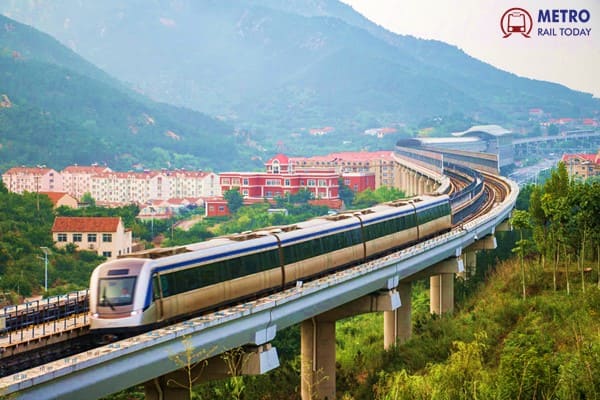
Bhubaneswar, India (Metro Rail Today): Alstom Transport, BEML and Titagarh Rail Systems have submitted bids for the supply of 39 standard gauge coaches for Bhubaneswar Metro Phase 1 Project under Package BRS1. The coaches will form 13 train-sets, each configured with 3 coaches (DMC + TC + DMC), designed to operate on the 26 km Line-1. This new metro line will link Biju Patnaik Airport with Trisulia Square, passing through 20 elevated stations.
Bhubaneswar Metro is set to differ from other recent metro projects by utilizing a 750V DC third rail current collection system, a key feature for its rolling stock. All trains will be maintained at the Phulaphokari Depot, where Package BBC-02 was awarded to M I A Construction in June 2024.
The Delhi Metro Rail Corporation (DMRC) opened technical bids for the contract on December 6, 2024. The contract, valued at ₹509.68 crore, is expected to be completed within 154 weeks (around 3 years). The trains will have a total capacity of 972 passengers in a fully loaded configuration and will feature lightweight stainless steel construction, three-phase AC drive with V.V.V.F. control, regenerative braking, and compatibility with advanced train control systems like ATP, ATC, and ATO.
In line with Bhubaneswar Metro's automation goals, the trains will be designed to meet Grade of Automation-2 (GoA2) standards, which allows for semi-automatic operations with a train operator present, a step below fully autonomous or driverless systems.
The contract includes the design, manufacture, testing, commissioning, and training for the 39 coaches. Once the technical evaluation is completed, the financial bids of qualified bidders will be opened, determining the final supplier. The rolling stock contract will be funded through a mix of domestic market borrowing and/or bilateral funding agencies.
The selected bidder will be required to finalize the trains' preliminary design within 18 weeks and the final design within 46 weeks from the contract commencement. The first prototype train-set must be delivered to Phulaphokari Depot within 102 weeks (approximately 2 years), with subsequent deliveries of the remaining trains spread over 154 weeks from the commencement date.
To support the government's Aatmanirbhar Bharat (Make in India) initiative, the contract stipulates that a maximum of 9 coaches (3 train-sets) can be manufactured in an offshore facility, with the rest to be produced locally in India. This requirement ensures significant domestic manufacturing involvement and encourages local partnerships.
This rolling stock order is the third smallest in India's metro network. For comparison, Gurgaon Metro operates 12 CRRC 3-coach trains, and Navi Mumbai Metro runs just 8 such trains.
In related news, the Mumbai Metropolitan Region Development Authority (MMRDA) recently received multiple bids for rolling stock contracts for Mumbai Metro’s Lines 4, 5, and 6, with bidders expected to include Alstom, BEML, and Titagarh.
The completion of Bhubaneswar Metro Phase 1 is a key milestone in the city’s urban transit expansion, promising faster, more efficient travel options for commuters.


MRT Online Desk
Metro Rail Today is an authentic and global news provider for the Rail & Metro industry from and around the world.