

Trending Now
 VinSpeed and Siemens sign €1 billion Turnkey Contract for Two High-Speed Rail Lines in Vietnam
 Tender floated for construction of Viaduct, Twin Tunnels and Underground Stations for Indore Metro
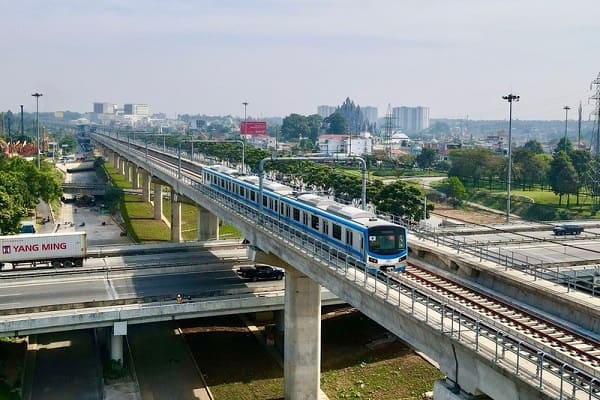 Vietnam needs over 70,000 Engineers and Skilled Workers for Ho Chi Minh City Metro Project
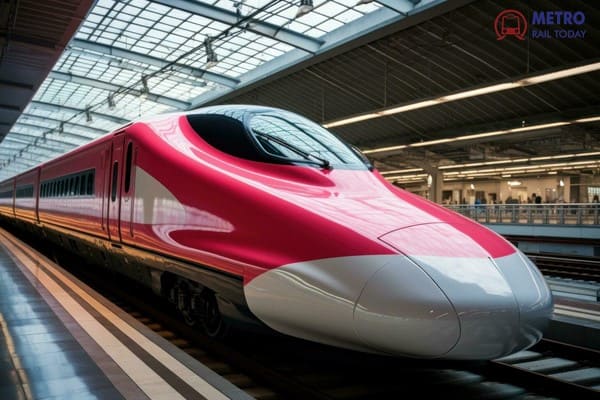 India targets production of indigenous 350 kmph High Speed Bullet Trains by 2030
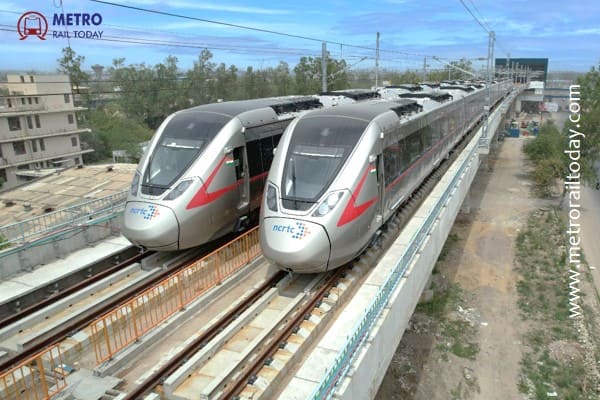 West Bengal proposes four RRTS Corridors linking Kolkata with South Bengal Cities
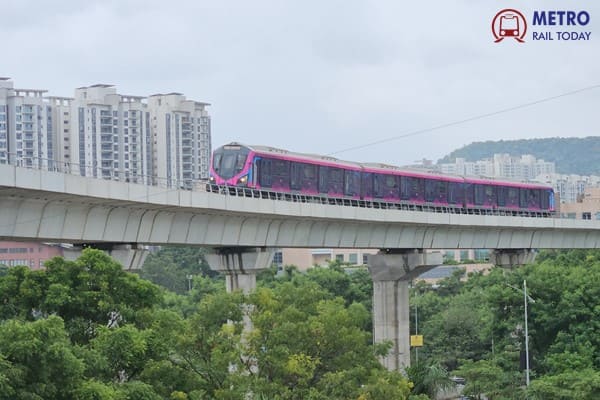 Pune Metro Line 3 targets September-end opening with 17 stations on Hinjawadi–Shivajinagar corridor
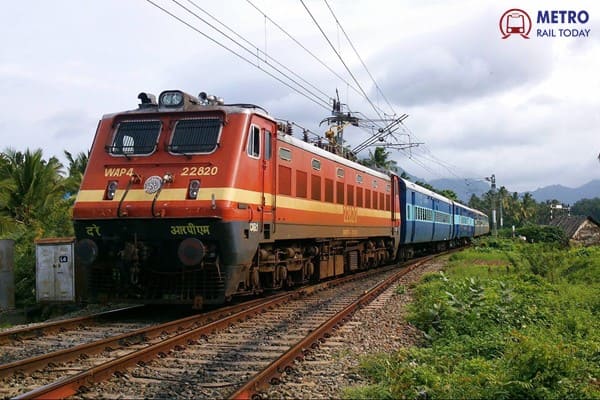 Jupiter Wagons Limited forms New Subsidiary to expand Railway Mobility Business
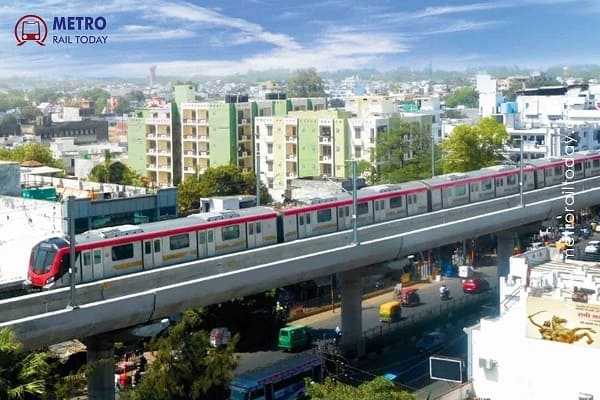 Five major firms bid for ₹1,878 crore Underground Section of Lucknow Metro Phase 1B Project
 DMRC focuses on Technology, Financial Sustainability and Global Expansion: Dr. Vikas Kumar
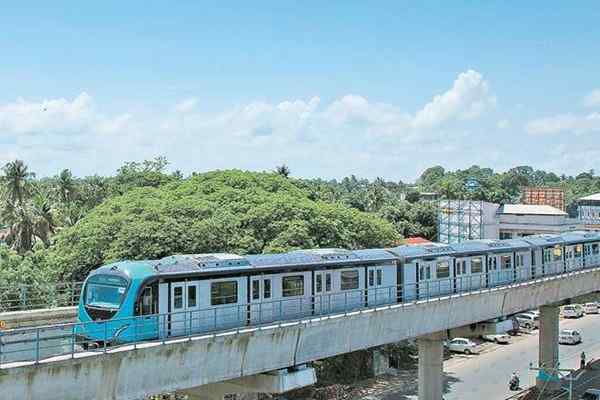 DMRC seeks opportunity to take up operation and maintenance of the Kochi Metro Rail network
Achieving Accident-Free Indian Railways: A Path to Safety and Efficiency
Dr. Vinod Shah
Posted on: 2024-12-02 08:30:00
Viewer: 2,934
Comments: 0
Country: India
City: New Delhi
Indian Railways (IR), one of the largest railway networks in the world, plays a critical role in the transportation of goods and passengers across the country. With more than 1.3 billion people relying on the service annually, safety is paramount. Despite substantial investments in modernization and safety systems, railway accidents remain a significant concern, with both human and material costs being high. However, achieving an accident-free Indian Railways is not only possible but imperative, through adopting advanced technologies, best global practices, improved operational strategies, and stringent safety measures.
1. Understanding the Scope of Railway Accidents in India
India’s railway accident rates, though reducing over the years, still remain a major cause of concern. Accidents can be classified into various categories, including train collisions, derailments, level-crossing accidents, signal failures, and mechanical failures. These incidents result in loss of lives, injuries, and significant economic costs. According to official statistics, there have been efforts to reduce train accidents drastically, but the sheer size and complexity of Indian Railways demand a more rigorous approach.
Some notable causes of railway accidents in India include:
- Human errors: These include mistakes by train operators, station managers, or signaling staff.
- Track issues: Poorly maintained tracks or outdated infrastructure often contribute to derailments and accidents.
- Signal failures: Outdated signaling systems or human error in interpreting signals.
- Level crossings: Accidents at unmanned level crossings due to a lack of barriers or signals.
2. Global Practices and Successful Case Studies
To move towards an accident-free future, the Indian Railways can look to successful international case studies where countries have made remarkable strides in railway safety. Here are a few global practices that can be adopted:
A. Japan – Shinkansen Safety Culture
Japan’s Shinkansen, also known as the "bullet train," is one of the safest high-speed rail networks globally. Since its inception in 1964, it has been accident-free, and there are several lessons to be learned from Japan’s approach:
- Rigorous Maintenance: The Shinkansen network has a dedicated maintenance system that inspects tracks and trains meticulously. The trains are inspected daily before and after every trip, ensuring that any mechanical issues are addressed immediately.
- Advanced Signaling Systems: Japan uses the Automatic Train Control (ATC) system that ensures trains maintain a safe distance from each other and can automatically apply brakes in case of emergencies. In case of adverse weather conditions, the ATC ensures trains don’t operate at dangerous speeds.
- Culture of Safety: Japanese railway operators have instilled a safety-first culture throughout their workforce. This cultural shift, where safety is paramount, can be instrumental in preventing accidents. Operators are trained to respond to a wide range of scenarios, ensuring quick and effective action.
India could learn from Japan's emphasis on a robust and proactive safety culture, the installation of real-time monitoring systems, and constant technological upgrades.
B. Europe – Integration of Safety Technologies
In Europe, countries like Germany, France, and the United Kingdom have implemented world-class rail safety systems that India can emulate:
- European Train Control System (ETCS): The ETCS is a standard that facilitates the operation of trains across borders without risk. This system is currently being adopted in many European nations. ETCS uses modern signaling and communication systems, ensuring that trains always operate within safe parameters, such as speed limits and station arrivals.
- Automatic Train Protection (ATP): ATP systems, common in many European countries, automatically stop trains if the driver fails to adhere to speed limits or if a danger signal is missed. ATP has prevented numerous collisions and derailments.
By investing in modern signaling systems like the ETCS or ATP, India can significantly reduce accidents caused by human error and signal failures.
C. United States – Positive Train Control (PTC)
The United States has implemented a safety technology called Positive Train Control (PTC), which has been mandated for all freight and passenger trains by the Federal Railroad Administration. PTC is a set of technologies designed to monitor and control train movements to prevent accidents caused by human error. Key features of PTC include:
- Automatic Braking: If a train is about to enter a dangerous zone (like a red signal or a curve), PTC will automatically apply the brakes.
- Speed Limiting: PTC ensures that trains are operating within speed limits, particularly in areas where excessive speed can lead to derailments.
PTC has proven effective in reducing accidents due to human error and signal failures. India could benefit from such technology, particularly in high-traffic and high-risk areas.
3. Technological Solutions for Accident Prevention
A. Implementation of Modern Signaling Systems
One of the key factors contributing to train accidents in India is outdated signaling systems. While older systems have been largely replaced by semi-automatic signaling, Indian Railways still needs to fully adopt modern technologies like the Train Collision Avoidance System (TCAS), Automatic Train Protection (ATP), and ETCS.
- Train Collision Avoidance System (TCAS): The TCAS has been introduced in some parts of India to prevent train collisions, especially in areas where signals are not clear or there are frequent human errors. This system alerts the drivers and can even stop the train if a collision is imminent.
- Electrification and Modern Signaling: Modernizing signaling systems, including the transition to digital signaling and block systems, would enable better control and monitoring of train movements.
B. Use of Artificial Intelligence and Big Data Analytics
Artificial Intelligence (AI) and Big Data Analytics can play a transformative role in preventing railway accidents:
- Predictive Maintenance: AI can analyze data from train sensors and detect early signs of mechanical failure. By predicting failures before they occur, railways can replace faulty components, thereby preventing accidents.
- Real-time Monitoring: Data analytics can also track the performance of trains in real time, identifying potential risks such as overspeeding or unsafe driving behavior, which can be addressed proactively.
Indian Railways could also use AI to optimize train schedules and better coordinate maintenance, reducing human errors and improving safety.
C. Driver Training and Simulation
Human error remains one of the primary causes of accidents. Therefore, it is essential to focus on driver training:
- Simulators for Driver Training: The use of high-fidelity simulators can help train train drivers to handle emergencies and complex driving conditions. Simulators allow drivers to experience real-life scenarios without any risk.
- Behavioral and Psychological Training: In addition to technical skills, training programs must also address behavioral aspects, teaching train operators to stay calm under pressure, avoid fatigue, and make decisions with safety in mind.
India could develop national training centers for both drivers and railway staff that focus on these aspects, thus ensuring that every operator is equipped to handle emergencies and prevent accidents.
4. Infrastructure Improvements and Track Modernization
Many of India’s accidents are caused by poor track conditions or the inability to handle modern trains. To ensure safety:
- Track Maintenance: Indian Railways must invest heavily in upgrading and maintaining its tracks, particularly in high-traffic areas. Regular inspections and timely replacement of worn-out tracks will reduce derailments.
- Overhead Wire and Electrification: Increased electrification not only provides a cleaner alternative but also ensures more reliable and faster services, reducing the likelihood of mechanical failures that lead to accidents.
- Dedicated Freight Corridors (DFC): The development of dedicated freight corridors will separate passenger and freight trains, reducing congestion and the likelihood of accidents due to mixed operations.
5. Level Crossing Safety and Public Awareness
Unmanned level crossings are one of the primary causes of accidents. India can significantly reduce accidents at level crossings by:
- Automation and Barriers: All unmanned level crossings must be equipped with automatic barriers and signals. In urban areas, footbridges and subways should be constructed to separate pedestrians from trains.
- Public Awareness Campaigns: Educating the public about the dangers of crossing tracks without proper precautions is essential. Many accidents occur due to negligence or ignorance. Regular campaigns using media and community outreach can change behavior and reduce accidents.
6. Institutional and Regulatory Changes
India must also focus on strengthening regulatory frameworks to ensure that safety remains the top priority:
- Independent Safety Audits: Independent audits by external safety organizations (like the International Union of Railways - UIC) can provide insights into existing safety protocols and areas needing improvement.
- Strict Penalties and Accountability: To reduce human error, India should impose strict penalties for violating safety norms and hold railway staff accountable for lapses in safety practices.
7. Collaboration with International Bodies
Collaboration with international organizations such as the International Union of Railways (UIC), the World Bank, and the International Civil Aviation Organization (ICAO) will allow India to benefit from shared knowledge, access to cutting-edge technology, and financial support for infrastructure improvement.
Conclusion
Achieving an accident-free Indian Railways is an ambitious yet attainable goal. By combining the adoption of modern technologies, global best practices, a culture of safety, and improved infrastructure, Indian Railways can significantly reduce accidents and fatalities. The global success stories from countries like Japan, the U.S., and European nations demonstrate that a commitment to safety, backed by technological innovations and continuous training, can transform railway systems into models of reliability and security.
As the Indian Railways modernizes and incorporates these global standards, the future of railway safety looks promising, with fewer accidents, safer travel, and greater public confidence in the national transport network.


Dr. Vinod Shah
Dr. Vinod Shah is an experienced urban transport journalist, blogger and key opinion leader.