

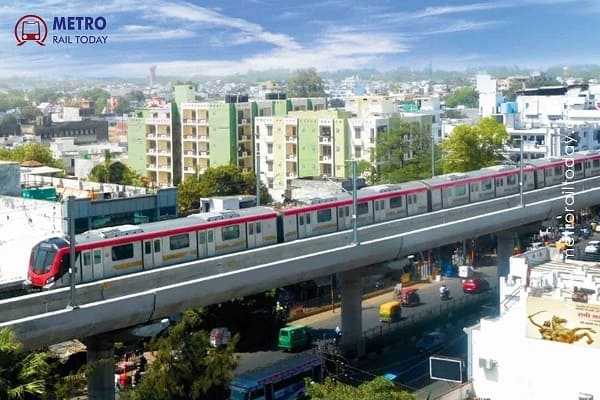
 Global Tender issued for 45 Metro Coaches and Advanced Signalling for Lucknow Metro Expansion
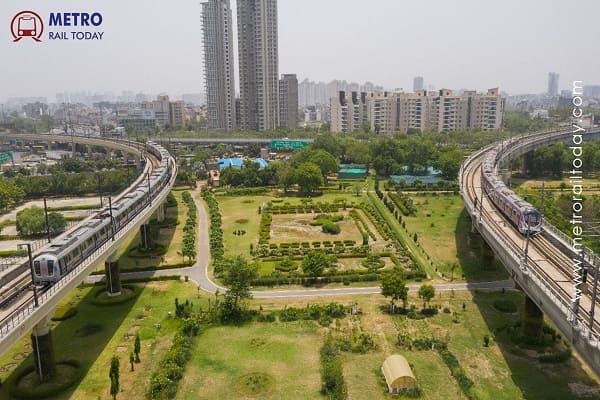 Delhi approves ₹48,204 crore plan for 97-km Metro Rail Expansion under Delhi Metro Phase V(B)
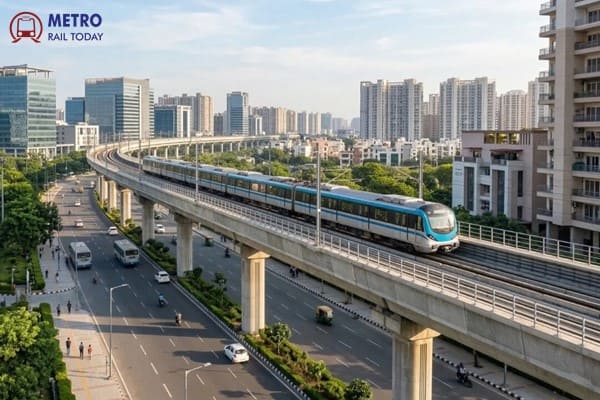 Odisha replans Bhubaneswar Metro into Tri-City Project to connect capital city with Cuttack and Puri
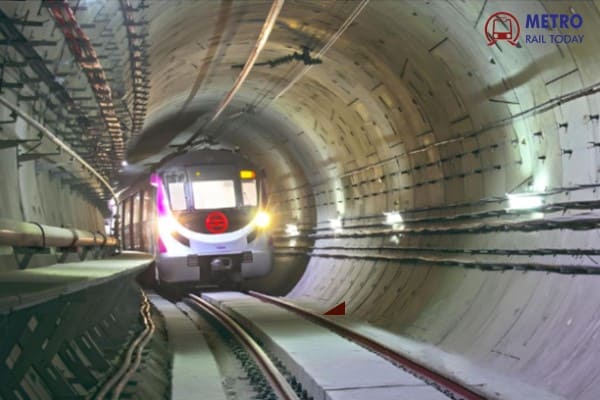 Kalpataru-SOMA JV bags ₹1,522 Cr Contract for Delhi Metro's Inderlok–Indraprastha Magenta Line Extn
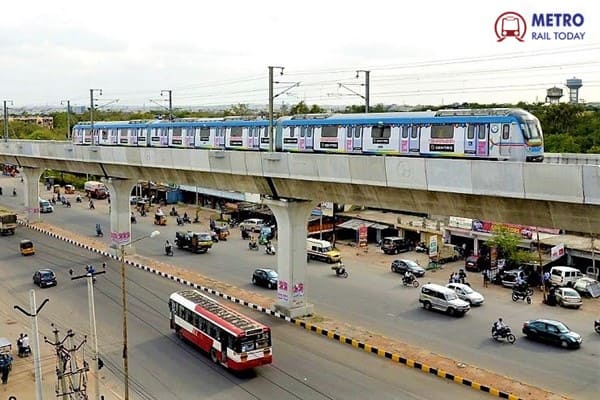 Telangana Government takes full control of Hyderabad Metro from L&T in ₹1,461 crore Deal
 R Mohanraja appointed as new Secretary of Railway Board, Ministry of Railways
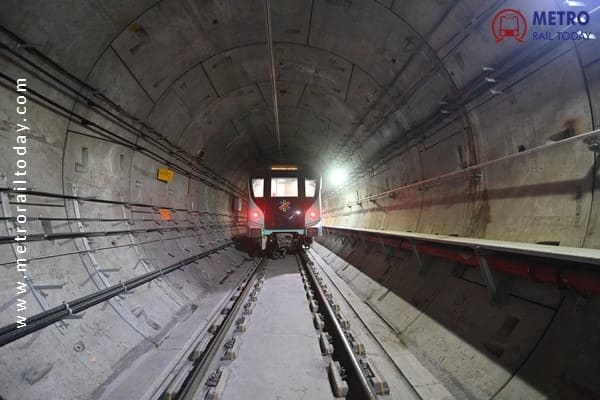 Adani Group's construction arm bags first ₹1,024 crore Civil Contract of Delhi Metro Phase 5
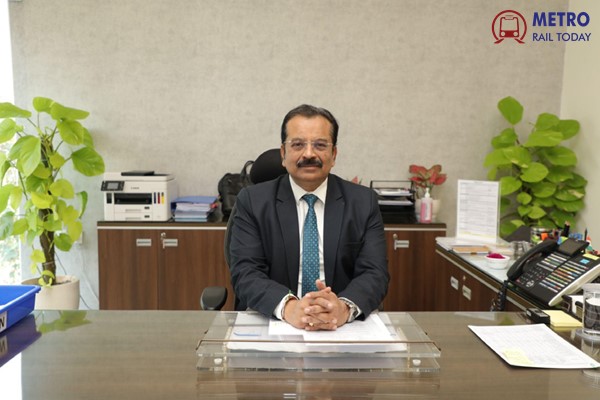 Govt approves permanent absorption of NCRTC Managing Director Shalabh Goel from Indian Railways
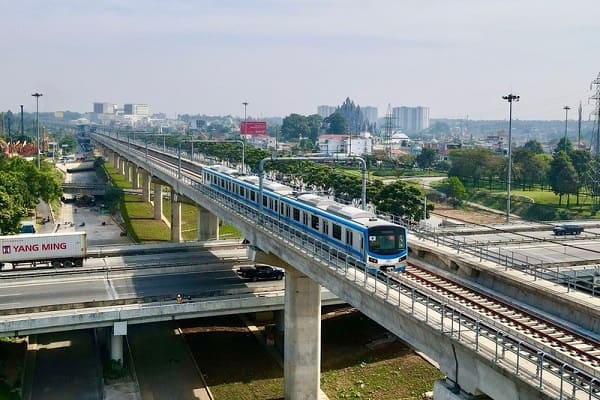 Hyundai Rotem signs $332 million Rolling Stock Contract with Vietnam for Ho Chi Minh City Metro
The Railways (Amendment) Bill, 2024 seeks to reform the functioning and governance of Indian Railways by repealing the Indian Railway Board Act of 1905 and incorporating its provisions into the Railways Act, 1989. The Bill aims to simplify the legal framework and reduce the need to refer to two separate laws. Here's a breakdown of the Bill's key features, its context, and the analysis of the issues surrounding Indian Railways:
Highlights of the Bill
The Indian Railways, governed by the Indian Railway Act, 1989, and the Indian Railway Board Act, 1905, is central to the nation's transport network. The Railway Board administers policies, operations, and regulations for the railways. The Railways (Amendment) Bill, 2024:
- Repeals the Indian Railway Board Act, 1905.
- Integrates its provisions into the Railways Act, 1989 to streamline governance.
- Aims to reduce legal complexity by ensuring the Railway Board’s powers and functions are governed under a single law.
The Statement of Objects and Reasons mentions that this integration was suggested by the Joint Parliamentary Committee during discussions on the Railways Bill, 1986, which later became the 1989 Act.
Key Features of the Bill
Constitution of the Railway Board: The Bill ensures that the Railway Board is empowered by the central government to administer the railways. It also defines the number, qualifications, experience, terms of service, and manner of appointment for the Chairman and members of the Board.
Key Issue and Analysis
1. Improving the Functioning of Railways
The Indian Railways is a government monopoly and operates under a highly centralized structure. The Railway Board has substantial control over policy making, operations, and regulation, while zones (regional units of the Railways) have limited powers regarding budget, infrastructure development, and recruitment. Over the years, several Expert Committees have proposed measures to improve governance, efficiency, and financial health:
Organizational Restructuring:
- Corporatization of Indian Railways to separate operational aspects from the governance structure.
- Zonal Financial Autonomy: Suggestions to give railway zones more control over their budgets and decision-making to foster competition and improve accountability.
Challenges faced by Railways:
- High Operating Costs: The Railways faces substantial salary and pension obligations.
- Losses in Passenger Services: Passenger fares are underpriced, leading to sustained losses in this segment.
- Under-Investment in Infrastructure: Limited private participation and poor revenue generation constrain investment in infrastructure and capacity building.
- Congested Networks: Network congestion, especially in key freight routes, hinders efficiency.
2. Expert Recommendations for Reform
Various committees have proposed the following reforms to address the inefficiencies and financial challenges:
Regulatory Structure:
- Establish an independent regulator to regulate tariffs, ensure consumer protection, and promote competition.
Autonomy to Zonal Railways:
- Devolve more financial powers to the zones, allowing them to make independent decisions on project tenders and personnel management.
Improving Finances:
- Rationalization of Passenger Fares: Aligning fares with market rates to recover the true cost of operations.
- Freight Diversification: Expanding beyond bulk commodities (like coal) to include high-value goods such as FMCGs (Fast-Moving Consumer Goods).
- Capital Expenditure: The Railways depends heavily on market borrowings for capital investment, though this increases the interest burden.
3. The Need for an Independent Regulator
The Railways’ monopoly on operations has limited private sector participation. The Rail Development Authority (RDA), approved in 2017 but yet to be established, was intended to advise on pricing, market development, and service standards. However, experts have recommended a full-fledged independent regulator with powers to set tariffs, enforce safety standards, and regulate access to infrastructure.
4. Autonomy to Zones
Current powers are heavily centralized in the Railway Board. Various committees, including the Sreedharan Committee (2014) and the Restructuring Railways Committee (2015), have called for greater autonomy for the zones to improve accountability and operational efficiency. Zones with financial and operational autonomy would foster competition, better manage resources, and improve service delivery.
5. Financial Challenges
Indian Railways faces considerable financial pressure due to:
- Losses in Passenger Operations: Despite being a public service, the passenger segment operates at a loss due to underpricing. This loss is cross-subsidized by freight revenue, which, in turn, is not competitive due to inefficiencies in pricing.
- Freight Operations: The freight mix remains heavily skewed towards bulk commodities. Moreover, the average speed of freight trains is low due to congestion, limiting capacity utilization.
- Funding Capital Expenditure: Since 2017, internal revenue has funded less than 5% of the total capital expenditure, with a heavy reliance on market borrowings and government support.
Recommendations to Improve Finances
- Rationalizing Passenger Fares: Implementing pricing structures that reflect the true cost of service delivery.
- Enhancing Freight Tariffs and Efficiency: To improve the competitiveness of the freight sector, reforms are needed to attract new kinds of cargo and increase average train speeds.
Conclusion
The Railways (Amendment) Bill, 2024 is a step towards simplifying the governance framework of Indian Railways by integrating the provisions of the Indian Railway Board Act, 1905 into the Railways Act, 1989. However, the Bill does not address some of the more significant structural reforms proposed by experts, such as corporatization, the creation of an independent regulator, and the devolution of powers to the railway zones. For the railways to become more efficient, financially sustainable, and attractive for private investment, addressing these concerns in subsequent amendments would be essential.