


Trending Now
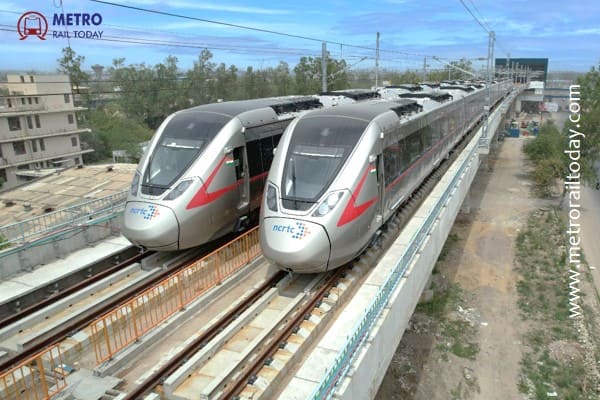 Karnataka proposes 270-km RRTS Network linking Bengaluru with Tumakuru, Mysuru and KGF
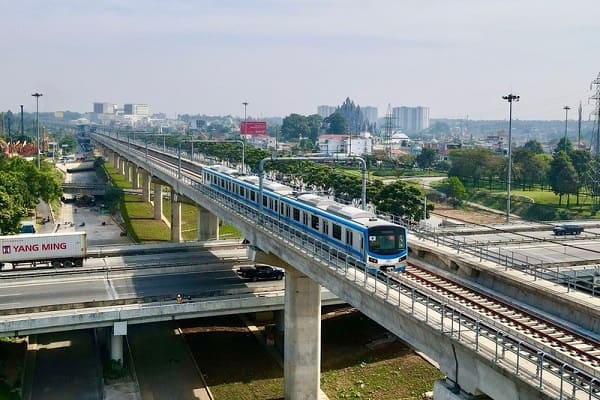 Alstom and Vingroup sign MoU to supply up to 200 Metro Trains for Hanoi Urban Rail Projects
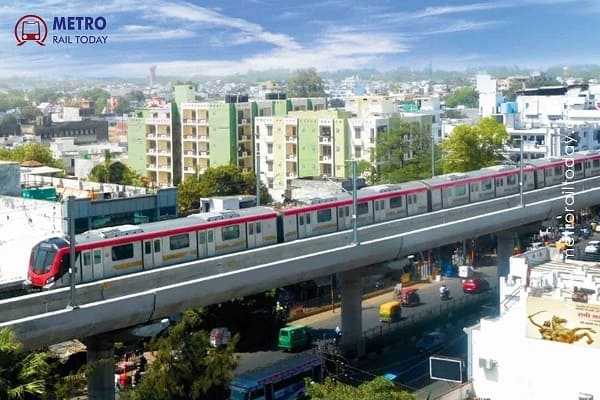 Afcons Infrastructure wins ₹1,383 crore Civil Contract for Lucknow Metro Phase 1B Corridor
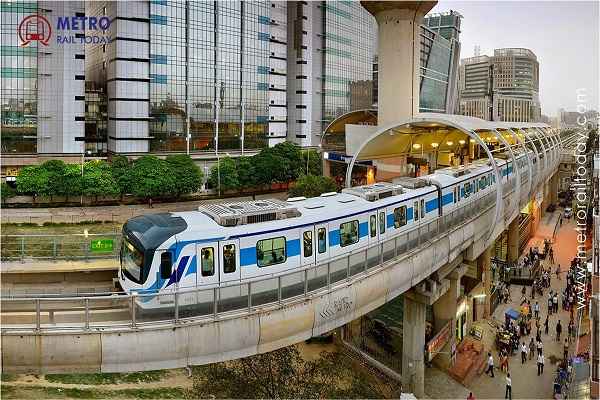 GMRL issues ₹1,662 crore Civil Tender for Sector 9–Cyber City Gurugram Metro Rail Corridor
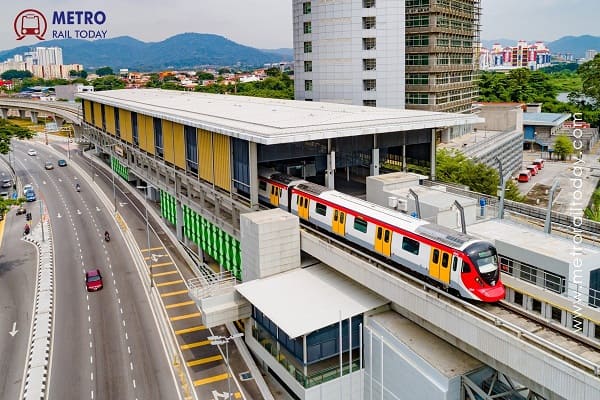 Madrid unveils €1.57 billion Metro Rail Expansion Programme with 27.8 km of New Corridors
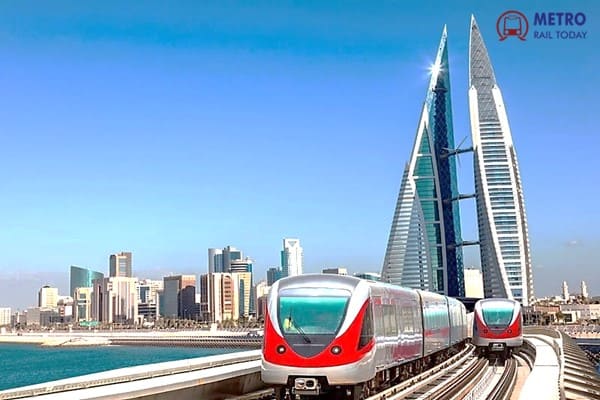 Global Tender launched for Project Management Consultancy for Abu Dhabi Tram Line 4
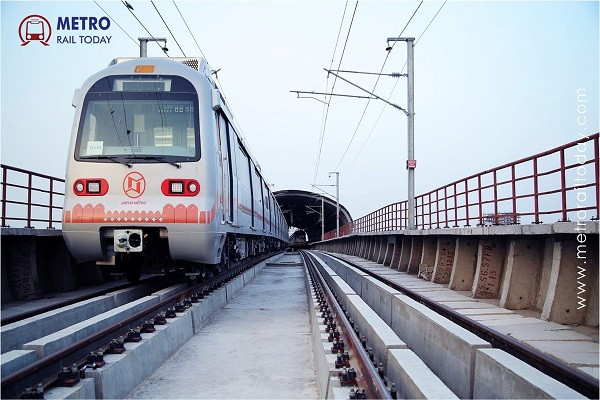 NV Dynamics awarded Noise and Vibration Study contract for Jaipur Metro Phase 2 Project
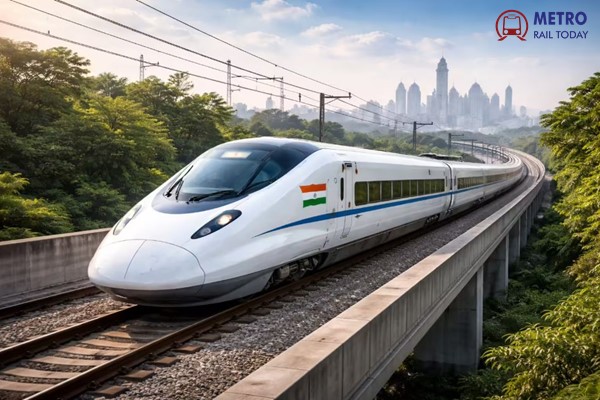 Two global consortia bid for India’s 350 kmph High-Speed Rail Design consultancy contract
 Larsen & Toubro (L&T) extends Hyderabad Metro stake sale timeline to 31 December 2026
 Haryana Govt approves ₹1,662 crore construction tender for Gurugram Metro Phase 2
DMRC focuses on Technology, Financial Sustainability and Global Expansion: Dr. Vikas Kumar
MRT Online Desk
Posted on: 2026-09-09 09:08:00
Viewer: 6,127
Comments: 0
Country: India
City: New Delhi
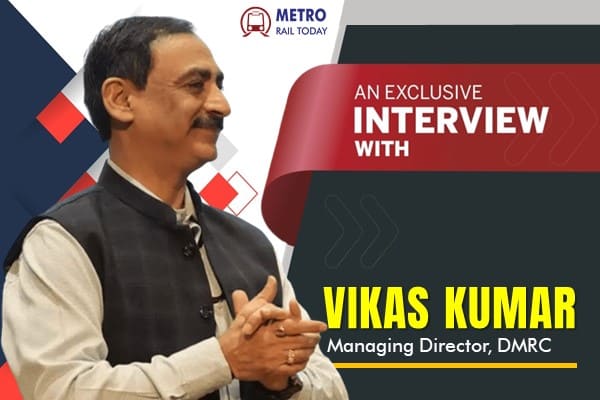
Delhi Metro continues to strengthen passenger services, indigenous technology, multimodal integration and non-fare revenues while expanding its consultancy and international footprint
As Delhi Metro continues to evolve into a technology-driven, financially resilient and increasingly integrated urban mobility system, the Delhi Metro Rail Corporation (DMRC) is simultaneously preparing for its next phase of growth. From restoring ridership after the COVID-19 disruption to advancing unattended train operations, indigenous signalling technologies, digital ticketing and multimodal integration, the organisation has been pursuing a range of initiatives aimed at improving operational efficiency and passenger convenience. At the same time, DMRC is placing greater emphasis on financial sustainability through non-fare revenue generation and Transit-Oriented Development (TOD), while exploring opportunities to take its accumulated expertise in metro planning, project execution, DPR preparation, consultancy and operations and maintenance to international markets through Delhi Metro International Limited (DMIL).
In an exclusive interview with Metro Rail Today, Dr Vikas Kumar, Managing Director, Delhi Metro Rail Corporation (DMRC), discussed the organisation’s key achievements and challenges, the progress of Phase IV and Phase V-A, the role of the Golden Line in improving airport and regional connectivity, the operational impact of unattended train operations, and DMRC’s financial strategy. He also elaborated on multimodal integration, last-mile connectivity, digital passenger services, consultancy opportunities and DMIL’s international ambitions. Here are the edited excerpts:
Rebuilding Delhi Metro after the pandemic
Reflecting on his four-year tenure as Managing Director, Dr Vikas Kumar said he took charge at a particularly challenging time, when the COVID-19 pandemic had receded but its impact on public transport systems was still significant. The sharp decline in metro ridership and the movement of several businesses away from the Airport Express corridor created an immediate need to restore passenger confidence and bring the system back to normal operating levels.
He explained that DMRC’s approach throughout this period has remained centred on the passenger, while maintaining safety, punctuality and reliability as non-negotiable priorities.
“At DMRC, our vision has always been that the customer should come first, while safety, punctuality and reliability must remain paramount. There can be no compromise on these principles,” Dr Kumar said.
With these priorities at the core, DMRC focused on improving the passenger experience through better services and technology adoption. Among the initiatives was the launch of the Sarthi app, designed to provide passengers with a wide range of information.
DMRC has also advanced unattended train operations and accelerated efforts towards indigenous technology development. In 2023, the organisation began work on the Indigenous Automatic Train Supervision system (i-ATS) and is also working on i-CBTC, an indigenous Communication-Based Train Control system.
According to Dr Kumar, these initiatives are intended not only to strengthen DMRC’s technological capabilities but also to reduce dependence on imported systems.
Integrated ticketing has emerged as another important area of focus. DMRC has been working to provide passengers with multiple ticketing modes, channels and payment options, with the objective of giving commuters greater flexibility and convenience while using the metro.
Phase IV expansion gathers momentum
Delhi Metro’s expansion programme is entering an important phase, with several sections of Phase IV progressing towards commissioning.
Dr Kumar highlighted the commissioning in March of two major sections: the Majlis Park–Maujpur-Babarpur corridor, which forms an extension of the Pink Line, and the Deepali Chowk–Majlis Park stretch, an extension of the Magenta Line.
The construction of the Golden Line, or Line 10, has involved several technical challenges. Among them was the relocation of a sewer line and construction through densely populated urban areas. According to Dr Kumar, these challenges have been overcome and DMRC is now working towards commissioning the remaining portions of the priority corridors in phases.
The organisation is also working towards a strict 2028 completion deadline for Phase V-A. In this regard, discussions are underway with the Delhi Development Authority (DDA) on land and planning-related matters so that the required clearances and coordination can progress within the stipulated timeline.
Golden Line expected to support wider economic activity
The Golden Line, or Line 10, is expected to significantly strengthen connectivity between important parts of South Delhi, Aerocity and the airport.
The corridor will connect areas including Vasant Kunj, Kishangarh, Chhattarpur, IGNOU, Saket and Sangam Vihar with Tughlakabad. These locations encompass significant residential, commercial and institutional activity.
Dr Kumar said the benefits of the corridor would extend beyond passenger mobility. Improved connectivity would increase accessibility to the airport and other parts of Delhi while providing better access to employment centres and commercial activity.
“Beyond passenger mobility, the corridor will support economic activity by improving connectivity to these important parts of South Delhi. It will also reduce dependence on road-based transport and make movement between residential areas, employment centres and the airport more convenient,” he explained.
Unattended train operations strengthen operational efficiency
Delhi Metro has established a strong record of operational punctuality and reliability, and unattended train operations have become an important part of this technology-driven approach.
According to Dr Kumar, the overall punctuality of the Delhi Metro network currently stands at 99.95%, while corridors operating under unattended train operations record an even higher punctuality level of 99.97%.
He noted that Delhi Metro’s performance in punctuality and reliability has outpaced established metro systems such as Hong Kong MTR.
The introduction of unattended train operations has contributed to greater consistency in operations and more precise management of train schedules. It has also enabled DMRC to increase service frequency on key corridors, thereby improving passenger-carrying capacity and the utilisation of existing infrastructure.
Looking ahead, unattended train operations are planned for upcoming corridors under Phase IV. However, Dr Kumar clarified that there is currently no operational requirement to convert existing corridors to unattended operations, as they continue to perform efficiently under their present systems.
Financial discipline and TOD remain central to sustainability
Financial sustainability has become an increasingly important issue for metro systems, particularly because of their high capital requirements and the need to maintain affordable fares.
Dr Kumar explained that DMRC’s long-standing relationship with the Japan International Cooperation Agency (JICA) and its ability to repay ₹9,948.09 crore of JICA loans through operational revenues are rooted in financial discipline and the organisation’s consistent generation of revenue from operations and other activities.
A major component of this strategy is the development of non-fare revenue.
DMRC is working with land-owning agencies and other stakeholders to make more productive economic use of land and assets associated with the metro network. The objective is to create sustainable revenue streams while ensuring that such commercial utilisation does not compromise the primary purpose of the transport system.
Transit-Oriented Development has therefore emerged as an important tool for DMRC. By integrating transport infrastructure with commercial and other urban uses, TOD can support urban development while simultaneously strengthening the organisation’s financial base.
Dr Kumar emphasised that the repayment of ₹9,948.09 crore cannot be attributed to any single measure. Rather, it reflects a combination of financial discipline, operational efficiency and the development of multiple revenue streams.
Target to raise non-fare revenue share to 50%
According to Dr Kumar, financial sustainability must be balanced with passenger affordability. DMRC is currently generating an operational profit but has consciously maintained fares within an affordable range to ensure that metro services remain accessible to a broad section of the population.
He stressed that fare revision cannot be considered solely from the perspective of revenue generation, since affordability and wider public mobility are equally important.
This makes non-fare revenue increasingly significant.
“At present, around 29% of DMRC’s revenue comes from non-fare sources. Our objective is to increase this contribution substantially over the coming years, with a target of taking the share to around 50%,” he said.
The broader objective is to establish a balanced revenue model in which fare revenue continues to support affordable public transport, while sources such as TOD, property development, advertising and other commercial activities provide greater financial support to the organisation.
Public transport adoption linked to sustainability and multimodal integration
DMRC is also working on multiple fronts to encourage greater public transport adoption and reduce dependence on private vehicles.
On the sustainability side, regenerative braking systems enable energy generated during braking to be utilised, while DMRC is expanding solar infrastructure at its stations and strengthening waste-management initiatives.
Dr Kumar linked the promotion of public transport with the broader objective of reducing dependence on fossil fuels.
“The idea is that public transport should not only provide mobility, it should also be sustainable,” he said.
At the same time, DMRC is placing greater emphasis on Multi-Modal Integration (MMI). Facilities are being developed at locations such as Sarai Kale Khan to integrate different modes of transport with the Metro, enabling passengers to transfer more conveniently between services.
Last-mile connectivity is another critical component. DMRC has collaborated with service providers such as Rapido and Bharat Taxi to improve connectivity to and from metro stations.
Dr Kumar said the objective is to make the passenger’s entire journey convenient rather than focusing only on the metro segment.
“If a person can easily reach the Metro station and can also get a convenient mode of transport after leaving the station, then obviously, it will encourage more people to use public transport instead of private vehicles,” he explained.
Consultancy emerges as an important DMRC business vertical
Beyond operating Delhi’s extensive metro network, DMRC has increasingly developed expertise in consultancy and project-related services.
The organisation is involved in preparing Detailed Project Reports (DPRs), providing consultancy for metro projects, assisting with project execution and delivering operations and maintenance services.
Dr Kumar pointed to DMRC’s ability to compete with established international players as evidence of the depth of expertise developed by the organisation.
For Mumbai Metro Line 3, DMRC outbid Keolis, while for Chennai Metro Phase II, it outbid Deutsche Bahn and successfully secured both assignments.
“These experiences show that the experience and expertise that DMRC has developed over the years are also giving us the capability to compete with established international players,” he said.
The consultancy business is therefore expected to remain an important component of DMRC’s broader growth strategy.
DMIL to take DMRC expertise to international markets
The creation of Delhi Metro International Limited (DMIL) represents another significant step in the organisation’s effort to expand beyond the domestic market.
According to Dr Kumar, DMIL has been established to take DMRC’s experience and expertise to overseas markets. The initial focus areas include project execution, operations and maintenance, DPR preparation and consultancy services.
Africa is one of the regions where DMRC sees significant potential. Several African countries are developing mass rapid transit systems, and Dr Kumar believes DMRC’s experience in planning, executing and operating a large metro network can be relevant to these projects.
Egypt is another market of interest, particularly because of its ongoing development of high-speed rail and MRTS infrastructure.
DMRC is also examining opportunities in Gulf countries where infrastructure reconstruction and development requirements could create demand for organisations with experience in large-scale urban transport infrastructure.
“We are looking at how our experience can be utilised in such projects,” Dr Kumar said.
Through DMIL, the organisation therefore aims to transform its accumulated knowledge in metro planning, execution, operations and consultancy into an international service offering.
Digital ticketing and technology at the centre of passenger experience
Improving passenger experience remains a continuous priority for DMRC, with digital technology playing an increasingly important role.
Passengers now have access to multiple payment and ticketing channels, including QR ticketing, smart cards and NCMC cards, alongside payment options such as UPI, net banking and various applications.
DMRC has also onboarded with the Open Network for Digital Commerce (ONDC), enabling more merchants to offer Delhi Metro tickets. The organisation has collaborated with NCRTC, Indian Railways and IRCTC as part of this broader effort to expand ticketing access and integration.
Beyond ticket purchasing, DMRC is also using artificial intelligence to improve passenger information services.
An AI chatbot has been introduced to provide passengers with information and respond in a conversational manner. At present, the chatbot can converse in three languages.
The organisation is also exploring additional station-based services, including lockers and enhanced station navigation through mobile applications.
Dr Kumar explained that station navigation would help passengers locate facilities such as toilets and food outlets. This becomes increasingly relevant as metro stations become larger and more complex, particularly for passengers who may be unfamiliar with a particular station.
“There is always scope for improvement, and our team is working on these aspects to see how we can provide more value-added services to the passengers and further improve their experience,” he said.
A message of appreciation and shared responsibility
Concluding the interaction, Dr Kumar acknowledged the contribution of the large workforce involved in operating a metro system of Delhi Metro’s scale.
He expressed his appreciation for the employees working across the organisation and thanked passengers for their continued trust and support.
He also appealed to passengers to cooperate with DMRC in maintaining cleanliness across stations and metro premises.
“These are public spaces and maintaining cleanliness is a responsibility which requires the cooperation of everyone,” he said.
Dr Kumar also acknowledged the role of stakeholders whose coordination and support are essential to the functioning and continued expansion of the Metro system.
The broader message emerging from the interaction is that Delhi Metro’s next phase is not limited to network expansion. The organisation is simultaneously pursuing technological innovation, financial diversification, multimodal integration, passenger-centric digital services and international consultancy. With DMRC seeking to strengthen its non-fare revenue base, expand indigenous technology capabilities and take its expertise to overseas markets through DMIL, the organisation is positioning its next phase of growth around a combination of operational excellence, financial sustainability, innovation and global mobility expertise.

MRT Online Desk
Metro Rail Today is an authentic and global news provider for the Rail & Metro industry from and around the world.