


Trending Now
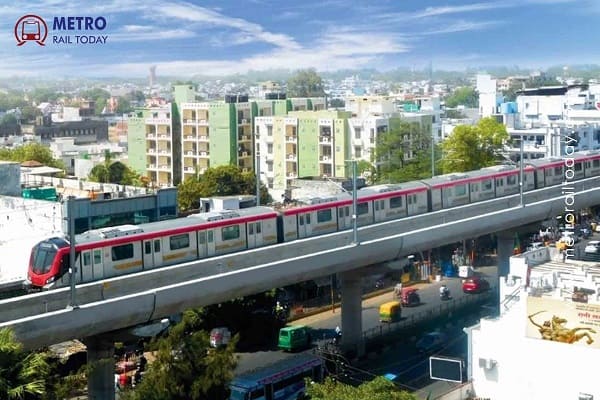 Sterling and Wilson wins ₹313.88 crore Traction Power and SCADA Contract for Lucknow Metro Phase 1B
 Adani Group's Cemindia Projects awarded ₹665.61 crore Contract for Bengaluru Suburban Rail Project
- Afcons Infrastructure bags ₹1,383 crore Contract for Lucknow Metro Phase 1B Underground Corridor
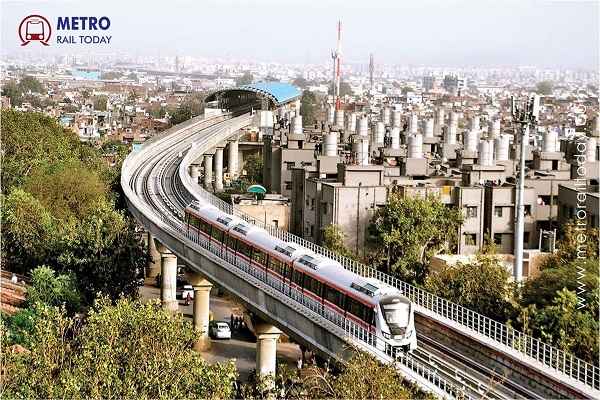 Ranjit Buildcon–SAM India JV awarded ₹859.25 crore Civil Contract for Ahmedabad Metro Phase 2A
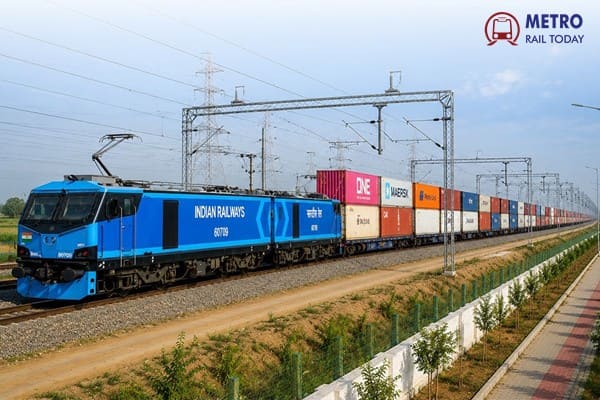 Jupiter Wagons bags ₹1,140 crore order from Indian Railways for 2,583 Freight Wagons
 Jakson Limited wins ₹299.88 crore E&M Systems Contract for Bhopal Metro Rail Project
 Titagarh Rail Systems awarded additional ₹1,717 crore order for 4,955 BOXNHL Wagons
 Maharashtra approves ₹13,856 crore Mumbai Metro Line 12A to connect Katai Naka and Taloja
 STUP Consultants Wins Station Design Consultancy Contract for Thane Metro Rail Project
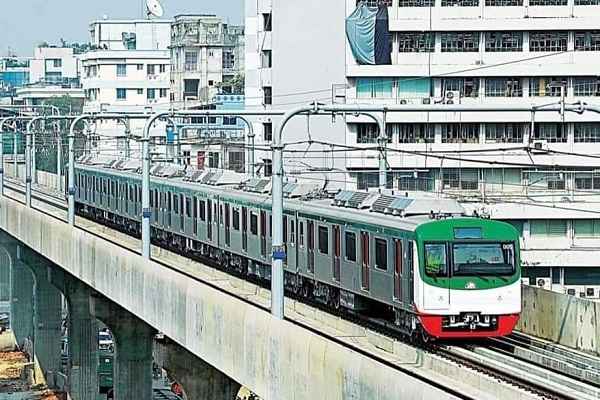 Larsen & Toubro bags Design-and-Build Contracts for Bangladesh’s Dhaka Metro Line 1 Project
Afcons Infrastructure bags ₹1,383 crore Contract for Lucknow Metro Phase 1B Underground Corridor
MRT Online Desk
Posted on: 2026-10-29 16:31:00
Viewer: 82
Comments: 0
Country: India
City: Lucknow
Lucknow, India (Rail & Metro Today): Afcons Infrastructure Ltd has secured a contract worth approximately ₹1,383 crore from Uttar Pradesh Metro Rail Corporation (UPMRC) for the design and construction of a 6.52-kilometre underground corridor under Lucknow Metro Phase-1B. The project will include seven underground stations and associated civil, architectural, utility and fire safety works.
The contract marks another addition to Afcons’ growing portfolio of urban rail infrastructure projects in India. The underground corridor is an important component of Lucknow Metro’s planned expansion and will involve complex engineering and construction activities to develop the stations and supporting infrastructure.
Comprehensive Underground Metro Construction Package
Under the contract, Afcons will undertake the design and construction of the 6.52-kilometre underground section, including seven underground metro stations. The scope covers civil and architectural works, installation and integration of essential utility systems, and development of fire safety infrastructure.
The assignment also involves providing connectivity between the underground corridor and the elevated sections of the metro network. Coordinating these different infrastructure components will be essential to ensure seamless integration and operational readiness.
Underground metro construction requires specialised engineering capabilities, particularly in areas such as station development, structural works, ventilation, fire protection, utilities and passenger safety. The integration of these systems is critical to the reliable functioning of underground stations and tunnels.
Afcons Strengthens Its Urban Infrastructure Portfolio
The Lucknow Metro Phase-1B order further strengthens Afcons Infrastructure’s presence in India’s expanding metro rail sector. The company has been involved in complex infrastructure assignments across transportation and other sectors, and the latest contract adds to its underground metro construction portfolio.
Commenting on the company's recent project wins, Krishnamurthy Subramanian, Executive Chairman of Afcons, said the awards reflect the confidence placed in the company's engineering capabilities and execution expertise. He described the Jewar Link Expressway and Lucknow Metro underground corridor as transformative projects that will improve mobility, support economic growth and enhance quality of life across Uttar Pradesh and the National Capital Region.
S. Paramasivan, Managing Director of Afcons, said the new contracts would strengthen the company's order book and reinforce its commitment to delivering complex infrastructure projects. He added that the fresh orders secured during FY2026–27, including these projects, amounted to ₹19,438 crore, according to the company's statement.
Supporting Lucknow’s Metro Expansion
The underground corridor is expected to contribute to the continued development of Lucknow’s urban rail network, providing additional public transport capacity and supporting better connectivity across the city.
With a contract value of approximately ₹1,383 crore, the assignment represents a significant infrastructure package for Afcons and UPMRC. Its successful execution will depend on coordinated engineering, construction and systems integration, particularly across the seven underground stations and their connections with the wider metro network.


MRT Online Desk
Metro Rail Today is an authentic and global news provider for the Rail & Metro industry from and around the world.