

Trending Now
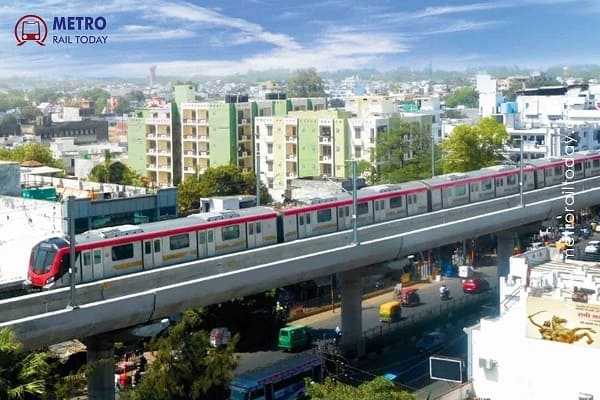 UPMRC floats ₹670 Crore Rolling Stock Tender for 45 Metro Cars for Lucknow Metro Phase 1B
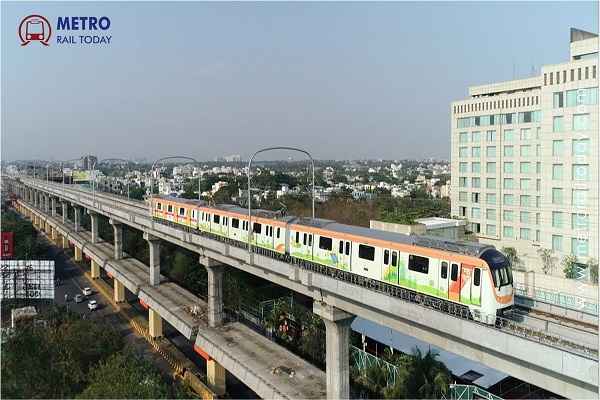 Maha Metro launches ₹994.78 crore Rolling Stock Tender for Nagpur and Pune Metro Phase 2
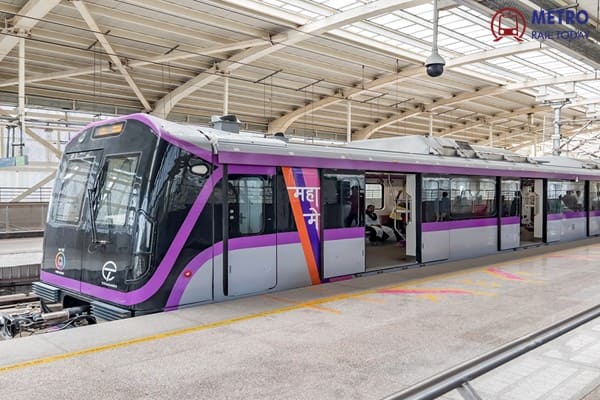 Afcons Infrastructure wins ₹1,045 crore Civil Contract for Ramwadi–Wagholi Metro Corridor in Pune
 Keralam High-Speed Rail proposal is technically feasible but project cost may double: Expert Panel
 DMRC begins Construction work on Inderlok–Indraprastha Corridor under Delhi Metro Phase 4 Expansion
 Bihar approves RRTS Plan to connect Patna with Gaya, Muzaffarpur, Ara and Begusarai
 Indian Prime Minister Narendra Modi to Flag Off Asia's First Hydrogen-Powered Train on July 17
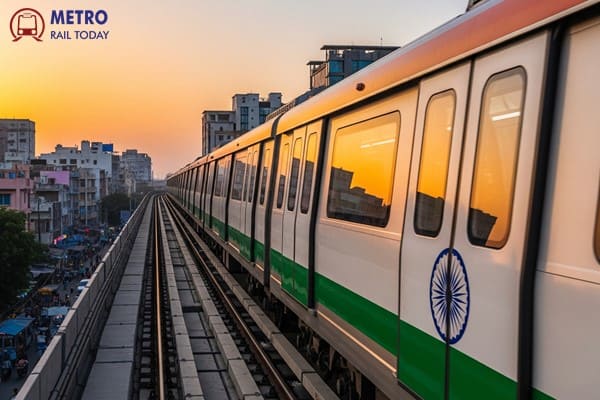 DMRC launches Delhi Metro International Limited to expand Urban Transit Expertise Globally
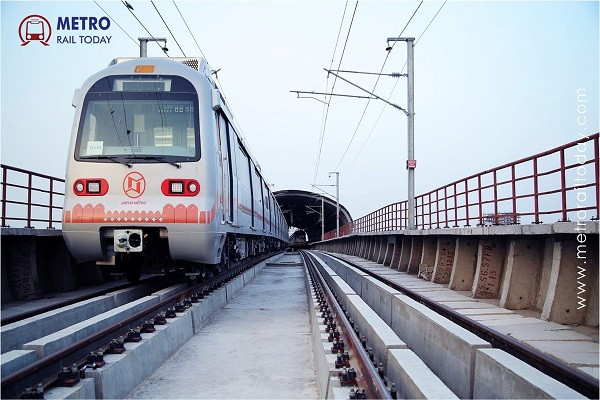 Prime Minister Narendra Modi lays Foundation Stone for ₹13,037 Crore Jaipur Metro Phase 2 Project
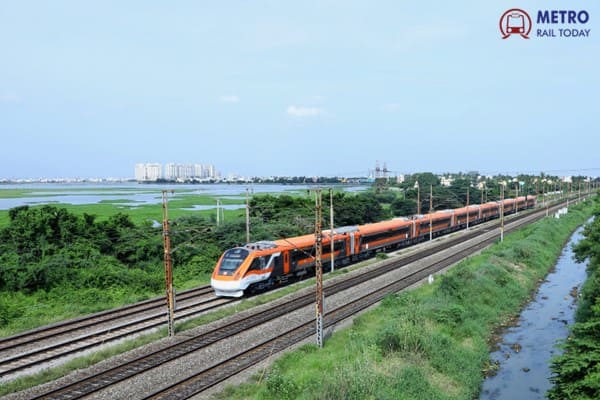 MRVC seeks Capital Infusion to Fast-Track ₹64,644 crore Railway Infrastructure Pipeline in Mumbai
BEML–Medha Consortium bids to supply 16 Trainsets for Mumbai–Ahmedabad Bullet Train Project
MRT Online Desk
Posted on: 2026-03-16 11:50:00
Viewer: 2,071
Comments: 0
Country: India
City: New Delhi
New Delhi, India (Metro Rail Today): India’s push toward indigenous high-speed rail technology has taken a significant step forward as the BEML–Medha Servo Drives consortium has submitted a bid to supply 16 high-speed trainsets for the Mumbai–Ahmedabad Bullet Train Project. The proposal was submitted to the National High-Speed Rail Corporation Limited (NHSRCL) on March 19 following a single-vendor bid invitation issued to state-owned BEML earlier in February.
The proposed trainsets are expected to form a critical part of India’s first high-speed rail corridor, which spans 508 km between Mumbai and Ahmedabad. The corridor is currently under construction and is slated to be commissioned in phases starting in 2027.
Indigenous High-Speed Train Programme Gains Momentum
The BEML–Medha consortium had earlier secured a contract worth ₹866 crore from Integral Coach Factory (ICF) in 2024 for the design, manufacture, and commissioning of two prototype eight-car high-speed trainsets. These trains are being designed for a maximum speed of 280 kmph and an operational speed of 250 kmph, marking a major milestone in India’s indigenous high-speed rail development.
According to sources, the consortium has quoted approximately ₹250 crore per trainset for the proposed 16 additional trainsets, including a seven-year maintenance contract. BEML’s contribution is expected to cover the carbody structure and train interiors, accounting for roughly ₹150 crore per train, while Medha Servo Drives will supply key systems including propulsion systems, bogies, and the Train Control and Management System (TCMS), estimated at around ₹100 crore per trainset. The final pricing is expected to be refined during negotiations.
The additional trainsets will largely follow the same design architecture as the initial prototypes, with minor enhancements introduced later. Poland-based EC Engineering, which is serving as the design consultant, is currently finalising the detailed design framework. Manufacturing is expected to commence soon once approvals are finalized.
Commenting on the development, Mrs. Mamta Shah, MD & CEO, Urban Infra Group, said, “The indigenous development of high-speed trainsets represents a transformative step for India’s railway ecosystem. Building domestic capabilities in advanced rolling stock manufacturing will not only support the Mumbai–Ahmedabad bullet train corridor but also create long-term opportunities for technology innovation and export potential.”
Growing Domestic Supply Chain
The first two prototype trainsets are expected to feature approximately 50 percent indigenous content, with the share likely to increase as India’s domestic supply chain for high-speed rail components matures.
Global suppliers are also expanding their manufacturing footprint in India to support the project. German rail systems manufacturer Knorr-Bremse, which is supplying braking systems, train doors, HVAC units, and onboard sanitary systems, is establishing a manufacturing facility near Chennai to localize production.
BEML is simultaneously exploring partnerships with domestic manufacturers for components such as passenger seats and interior panels, further boosting local value addition in the upcoming trainsets.
Procurement Strategy Amid Shinkansen Negotiations
The move to procure indigenous trainsets comes as negotiations with Japan for Shinkansen E5 trainsets, originally planned for the corridor, remain unresolved due to pricing concerns. The Shinkansen trains are capable of speeds up to 350 kmph, but rising procurement costs prompted the government to accelerate the development of a domestic high-speed train programme.
The first indigenous prototype is now expected to roll out by March 2027, slightly delayed from the earlier target of December 2026 due to manufacturing timelines.
Phased Operations Planned from 2027
The Surat–Bilimora section in Gujarat is expected to be the first operational stretch of the Mumbai–Ahmedabad high-speed corridor. Commercial services on this section are targeted to begin around August 15, 2027, subject to successful trials and statutory approvals.
Subsequent phases will extend operations across Vapi–Surat, Vapi–Ahmedabad, Thane–Ahmedabad, and eventually the full Mumbai–Ahmedabad route, which includes 12 stations connecting Maharashtra and Gujarat.
Building India’s High-Speed Rail Future
The BEML–Medha partnership brings together complementary expertise, with BEML handling fabrication and assembly in Bengaluru while Hyderabad-based Medha Servo Drives contributes advanced electric traction motors, bogies, and control systems.
As the Mumbai–Ahmedabad bullet train project progresses, the development of indigenous trainsets is expected to play a pivotal role in shaping India’s high-speed rail ecosystem, reducing import dependency, and laying the foundation for future high-speed corridors across the country.

MRT Online Desk
Metro Rail Today is an authentic and global news provider for the Rail & Metro industry from and around the world.