

Trending Now
 Ranjit Buildcon Wins ₹383.98 Crore Civil Contract for Lucknow Metro Phase 1B
 Tamil Nadu seeks Central Support for new Metro Rail Projects in Coimbatore, Hosur and Madurai
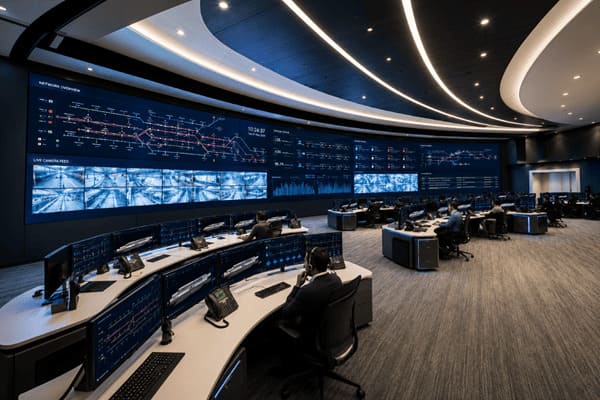 Future Metro Control Centres: ST Engineering Transforms Command Rooms to Intelligent Nerve Centres
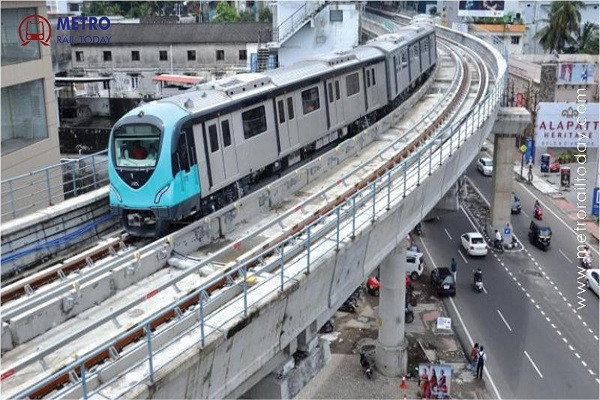 Kochi Metro unveils Visionary Design for Phase II Pink Line Metro Stations
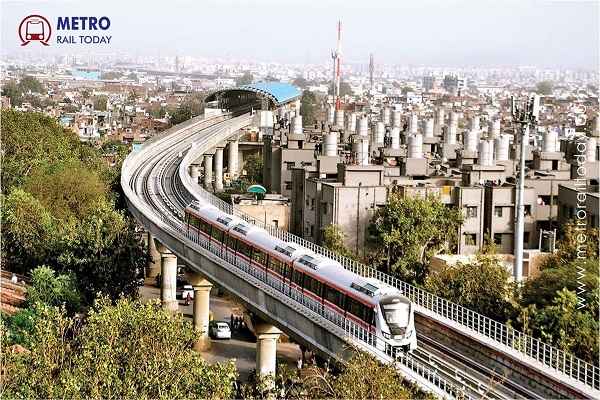 Design Consultancy Tenders floated for Ahmedabad Metro Phase 3 Elevated Corridors
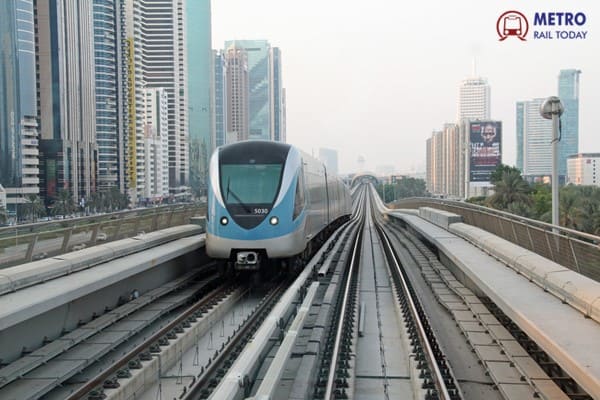 Global Metro Rail Infrastructure Market projected to reach US$ 78.3 billion by 2033
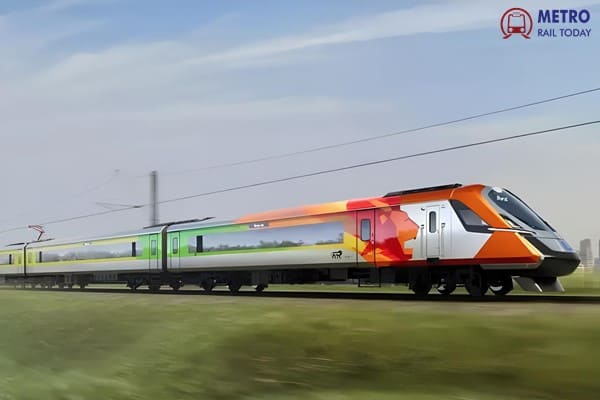 Kinet’s Vande Bharat Sleeper Concept wins prestigious Italian A’ Design Award
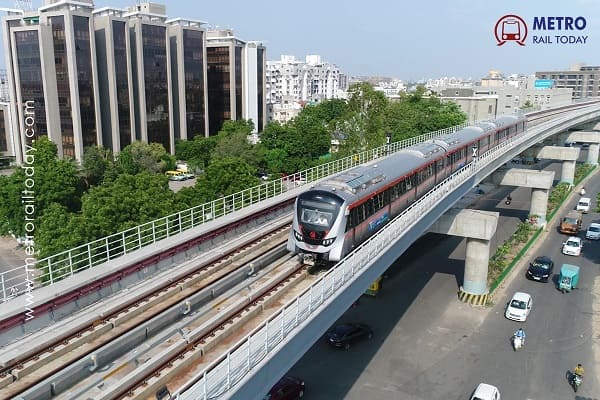 SYSTRA awarded Design Consultancy Contract for Ahmedabad Metro Phase 2 Extensions
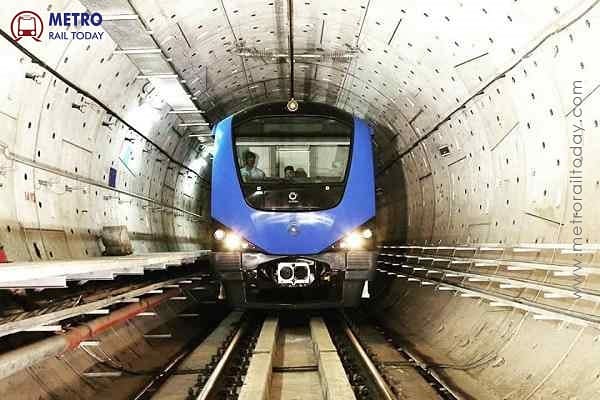 TBM Servarayan achieves Tunnel Breakthrough on Corridor 3 of Chennai Metro Phase 2
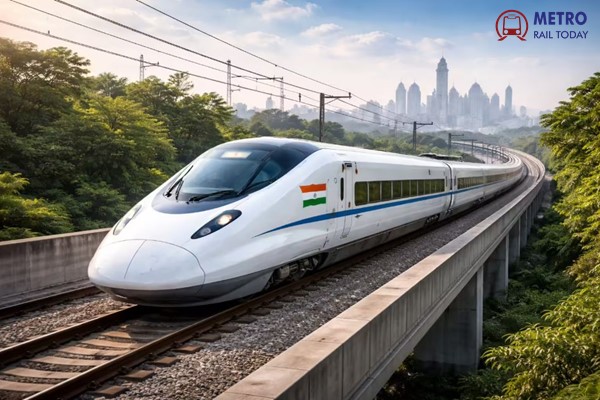 India targets 350 kmph Indigenous Bullet Train to accelerate High-Speed Rail ambitions
Ex-NCRTC Chief Vinay Kumar Singh switches career from Railways to Wellness Business
MRT Online Desk
Posted on: 2026-01-24 12:30:00
Viewer: 1,897
Comments: 0
Country: India
City: New Delhi
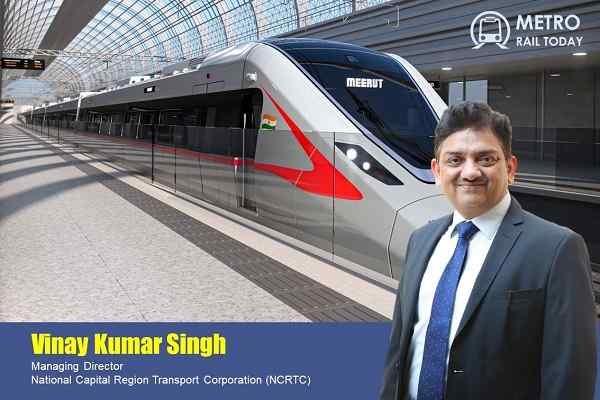
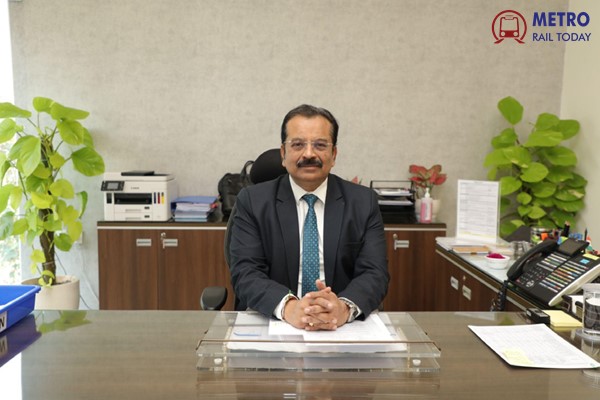
In a move that has surprised India’s infrastructure fraternity and sparked wide conversation beyond it, Mr. Vinay Kumar Singh, the former Managing Director of the National Capital Region Transport Corporation (NCRTC) and the architect behind India’s first Regional Rapid Transit System (RRTS), has quietly—but decisively—changed tracks.
After formally stepping down from NCRTC on 15 March 2024, Mr. Singh has now disclosed that he assumed charge as Managing Director & Chief Financial Officer of Thrive Future Habitats Limited on 1 June 2025—a BSE-listed company rooted in personal care and wellness manufacturing, with ambitions extending into real estate and lifestyle-led developments. The disclosure, made public today, marks a rare crossover from high-speed public transport to purpose-driven consumer and habitat businesses.
A Technocrat Who Redefined Speed, Governance and Scale
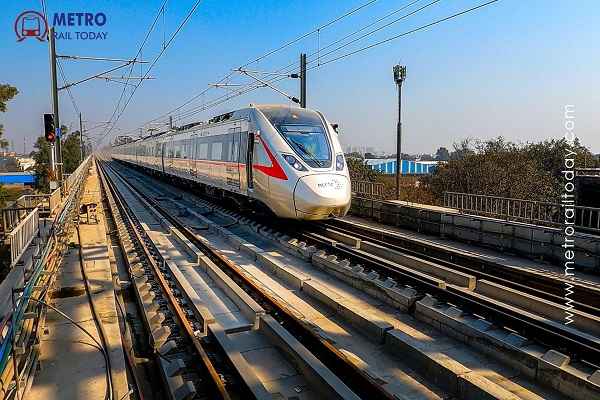
A 1988-batch officer of the Indian Railway Service of Engineers (IRSE), Vinay Kumar Singh is no ordinary bureaucrat. As the founding MD of NCRTC, he didn’t merely execute a project—he created a new category of rail-based urban mobility in India. Under his leadership, the Delhi–Meerut RRTS (now branded Namo Bharat) became a global reference point:
-
180 kmph design speed,
-
World-first ETCS Level II signalling for regional rail,
-
Lightweight rolling stock, slab track, high-speed OHE, and
-
A digital-first organisation that was nearly paperless in a public-sector ecosystem.
From being NCRTC’s first employee to leading a 400-strong specialist team, Singh delivered 34 km of operational corridor in just 4.5 years, earning personal commendation from the Hon’ble Prime Minister of India.
The Exit That Closed One Chapter—Gracefully
When Singh announced his resignation on 16 March 2024, it was not marked by controversy, but by closure. His farewell note reflected satisfaction, gratitude, and confidence in the institution he helped build. He left behind approved future corridors, advanced O&M models now emulated by Indian Railways and metros, and a system globally acknowledged for its speed, silence, and sustainability.
The Pivot: From Mobility to Meaning
So why personal care? Why wellness? Why real estate?
According to those close to the development, this is not a departure from Singh’s philosophy—but its evolution.
Thrive Future Habitats Limited (formerly Ador Multiproducts Limited) appointed him as MD & CFO following its rebranding and ownership transition approved at the 77th AGM. At TFH, Singh is expected to bring the same operational discipline, governance rigor, and long-term thinking that defined his public-sector career.
In his own words, the fundamentals remain unchanged: integrity, competence, and accountability.
TFH’s immediate focus remains contract manufacturing of personal care products, while its medium-term vision expands into second homes, hospitality infrastructure, and lifestyle developments inspired by longevity, community, and harmony with nature—often referred to globally as Blue Zone thinking.
Why This Move Matters
Senior infrastructure leaders rarely cross into consumer and wellness sectors. When they do, it signals something deeper: a belief that quality of life is built not only by speed and scale, but by purpose and design.
Singh’s appointment suggests that India’s next growth story may lie at the intersection of infrastructure mindset and human-centric living—where governance meets wellness, and execution meets empathy.
As Metro Rail Today has tracked Singh’s journey from his NCRTC days to this unexpected new chapter, one thing is clear:
the canvas has changed, but the engineer’s instinct to build systems that endure remains intact.
The man who once redefined how fast India could travel is now shaping how thoughtfully it might live.


MRT Online Desk
Metro Rail Today is an authentic and global news provider for the Rail & Metro industry from and around the world.