


Trending Now
 Two Consortia Bid for General Consultancy Contract for Hyderabad Metro Phase 2 Project
 RNS Infra–Gayatri Projects JV awarded ₹342 crore Civil Contract for Bengaluru Suburban Rail Project
 PM Modi to inaugurate Pune Metro's Hinjewadi–Shivajinagar Metro Corridor on November 3
 Govt of India approves ₹24,269 crore Hyderabad Metro Phase 2 Project with five new corridors
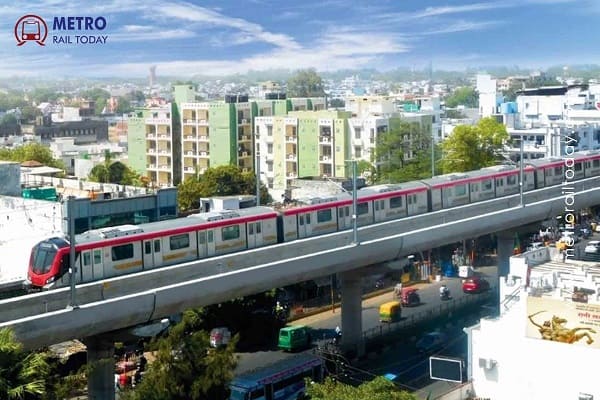 Sterling and Wilson wins ₹313.88 crore Traction Power and SCADA Contract for Lucknow Metro Phase 1B
- Adani Group's Cemindia Projects awarded ₹665.61 crore Contract for Bengaluru Suburban Rail Project
- Afcons Infrastructure bags ₹1,383 crore Contract for Lucknow Metro Phase 1B Underground Corridor
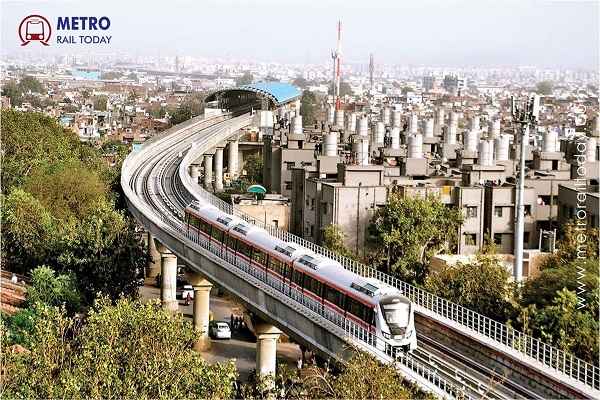 Ranjit Buildcon–SAM India JV awarded ₹859.25 crore Civil Contract for Ahmedabad Metro Phase 2A
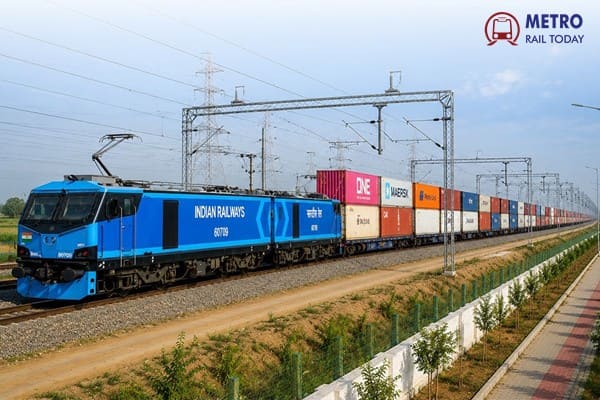 Jupiter Wagons bags ₹1,140 crore order from Indian Railways for 2,583 Freight Wagons
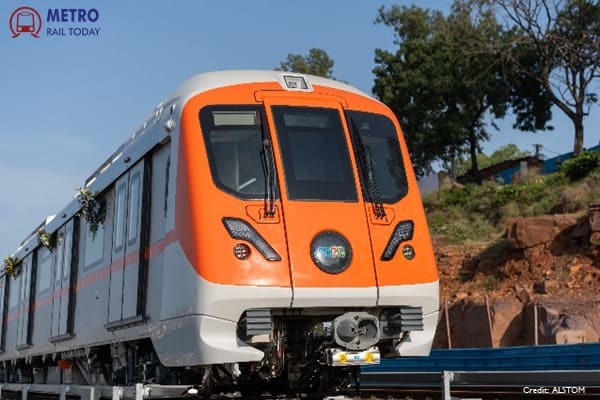 Jakson Limited wins ₹299.88 crore E&M Systems Contract for Bhopal Metro Rail Project
Govt of India approves ₹24,269 crore Hyderabad Metro Phase 2 Project with five new corridors
MRT Online Desk
Posted on: 2026-10-28 07:07:00
Viewer: 96
Comments: 0
Country: India
City: Hyderabad
Hyderabad, India (Rail & Metro Today): Hyderabad Metro’s expansion plans have received a major boost with the Central Government granting approval to Phase 2, an ambitious 76.4-kilometre network development estimated to cost ₹24,269 crore. The proposed expansion will cover five corridors, extending metro connectivity to the airport, emerging residential neighbourhoods, commercial centres and industrial areas across the city.
With a target completion year of 2029, Phase 2 is expected to strengthen Hyderabad’s public transport network and provide commuters with additional alternatives to road-based travel. The expansion is also expected to influence the city’s real estate and urban development landscape by improving accessibility to areas currently underserved by mass rapid transit.
Five Corridors to Expand Metro Connectivity
The proposed Phase 2 network comprises five corridors connecting important residential, commercial and transport destinations.
The longest stretch, Corridor 1, will connect Nagole with Shamshabad and Hyderabad Airport over approximately 36.8 kilometres. Corridor 2 will extend the existing network from Raidurg to Kokapet Neopolis, covering 11.6 kilometres and improving connectivity to the city's growing western business district.
Corridor 3, covering 7.5 kilometres, will connect MGBS with Chandrayangutta through the Old City. This extension is expected to improve access to densely populated areas and strengthen connectivity with the existing metro network.
The remaining two corridors will extend services towards the western and eastern suburbs. Corridor 4 will connect Miyapur with Patancheru over 13.4 kilometres, while Corridor 5 will link LB Nagar with Hayathnagar across 7.1 kilometres.
Together, these five corridors will add 76.4 kilometres to Hyderabad's metro expansion programme.
Focus on Modern and Integrated Urban Transport
Phase 2 is planned with an emphasis on improved passenger convenience and integration with other transport modes. The proposed network is expected to incorporate modern signalling, passenger information systems, multimodal transport facilities and interchange arrangements to support efficient passenger movement.
The airport connection is among the most significant components of the expansion. Direct metro access to Shamshabad is expected to improve connectivity between the airport, residential areas and commercial centres, while the Raidurg–Kokapet Neopolis corridor will strengthen public transport access to Hyderabad's expanding IT and business districts.
The Old City extension is also important for improving mobility in established urban neighbourhoods, where road congestion and limited transport options can make daily commuting challenging.
Potential Impact on Hyderabad’s Real Estate Market
The expansion could have a wider impact on Hyderabad's property market. Improved metro connectivity generally makes residential and commercial locations more accessible, potentially increasing interest in areas situated near proposed stations and interchange points.
Corridors extending towards Kokapet Neopolis, Patancheru and Hayathnagar could support the development of new residential and commercial clusters. Better access to employment centres may also influence housing demand and encourage transit-oriented development around stations.
However, the extent of any property-market impact will depend on project execution, station accessibility, feeder transport services and the pace of surrounding infrastructure development. Metro approval alone does not guarantee property price appreciation.
A Major Step Towards Sustainable Mobility
Hyderabad Metro Phase 2 represents a substantial investment in the city's long-term transport infrastructure. By connecting the airport, IT districts, established residential areas and emerging suburban growth centres, the proposed network aims to create a more integrated urban mobility system.
The 2029 completion target will require coordinated planning, timely execution and effective integration with the existing metro network. If delivered as proposed, the expansion could play an important role in reducing dependence on private vehicles, improving commuter convenience and supporting Hyderabad's continued urban growth.


MRT Online Desk
Metro Rail Today is an authentic and global news provider for the Rail & Metro industry from and around the world.