

Trending Now
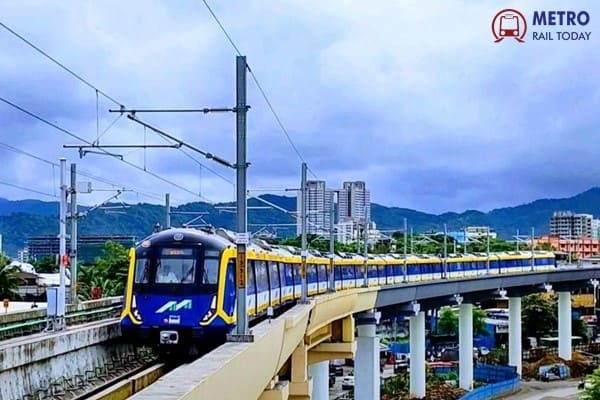 MMRDA invites bids for ₹4,882 Crore Rolling Stock & Systems Contract for Mumbai Metro Line 12
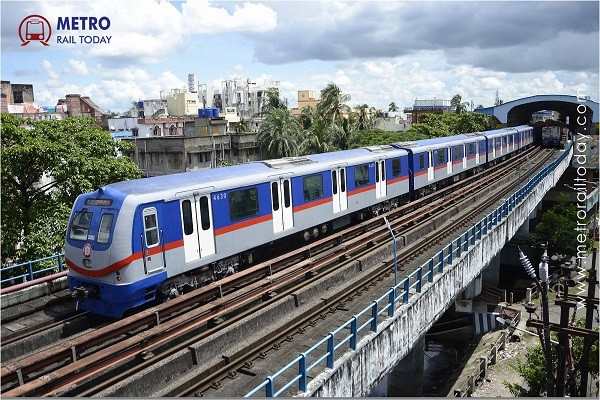 Kolkata Metro completes Aluminium Third Rail Upgrade on Blue Line
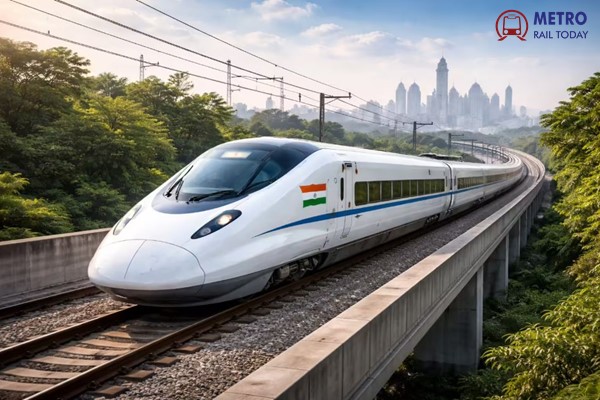 Metroman E. Sreedharan submits new Blueprint for ₹54,000 Crore Kerala High Speed Rail Corridor
 Union Housing & Urban Affairs Minister Tokhan Sahu to inaugurate 6th RailTrans Expo 2026
 Maha Metro plans Six-Coach Trains ahead of Pune Metro Line 3 Launch
 Railway Ministry approves launch of India’s First Hydrogen-Powered Train on Jind–Sonipat Route
 Kineco Global Rail secures Interior Contract for new 100 Vande Bharat Sleeper Trains
 Ranjit Buildcon Wins ₹383.98 Crore Civil Contract for Lucknow Metro Phase 1B
 Tamil Nadu seeks Central Support for new Metro Rail Projects in Coimbatore, Hosur and Madurai
 Future Metro Control Centres: ST Engineering Transforms Command Rooms to Intelligent Nerve Centres
India built 457 kilometers metro rail network in last five years
MRT Online Desk
Posted on: 2023-12-26 07:30:00
Viewer: 5,163
Comments: 0
Country: India
City: New Delhi
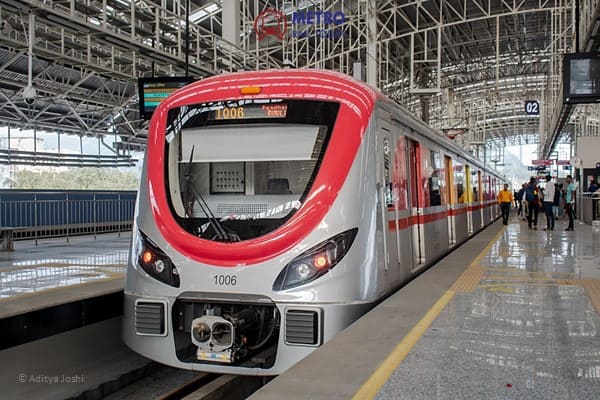
In the dynamic landscape of urban transportation in India, the Metro Rail network has witnessed a remarkable expansion of approximately 457 kilometers since the fiscal year 2018-19. Over the past five years, several technological breakthroughs have reshaped Metro Rail networks across the country, setting new standards for safety, speed, and efficiency.
Namo Bharat Train: Pioneering Speed and Innovation
A significant milestone in this technological evolution is the introduction of the Namo Bharat train on the Delhi-Meerut RRTS corridor. Regarded as India's first State-of-the-Art train, the Namo Bharat boasts a design speed of 180 kmph and an operational speed of 160 kmph. This futuristic addition operates on the priority section between Sahibabad to Duhai Depot, offering commuters a seamless and rapid transit experience.
European Train Control System (ETCS): Elevating Passenger Safety
Another groundbreaking development is the implementation of the European Train Control System (ETCS) level II with a Hybrid level-III radio-based train signaling system on the LTE backbone. This state-of-the-art signaling system enhances passenger safety on Namo Bharat trains traversing the priority corridor. The integration of cutting-edge technology ensures a safer and more efficient rail journey for commuters.
Platform Screen Door (PSD): A Collaborative Safety Initiative
In a collaborative effort between Bharat Electronics Limited (BEL) and the National Capital Region Transport Corporation (NCRTC), the Platform Screen Door (PSD) was introduced. Designed to enhance safety and minimize the risk of accidents, PSD represents a significant stride in ensuring passenger well-being across Metro Rail networks.
National Common Mobility Card (NCMC): Unifying Transit Systems
The advent of the National Common Mobility Card (NCMC) marks a pivotal step towards seamless intermodal transit. Known as the 'One Nation-One Card,' NCMC is designed to work seamlessly across all NCMC-enabled transport systems in the country. This innovation streamlines ticketing and payment processes, offering commuters a unified and hassle-free travel experience.
QR-based Ticketing: Convenience at Your Fingertips
Adding to the spectrum of passenger-centric advancements is the introduction of QR-based ticketing. This system facilitates ticket bookings through mobile-based applications, providing commuters with a convenient and tech-savvy way to access Metro Rail services.
Unmanned Train Operations (UTO): Enhancing Efficiency
To elevate efficiency, resource utilization, and overall service quality, Unmanned Train Operations (UTO) have been implemented in specific stretches of the Delhi Metro Rail Corporation. This technological innovation signifies a leap forward in autonomous transportation, contributing to enhanced operational efficiency and service quality.
Indigenous Automatic Train Supervision System (i-ATS): A Homegrown Triumph
In a proud moment for India, the indigenously developed Automatic Train Supervision System (i-ATS) has been successfully implemented on the Red Line of the Delhi Metro. Jointly developed by DMRC and Bharat Electronics Limited (BEL), this system showcases India's prowess in developing cutting-edge rail technologies.
Ridership Surge: A Testament to Transformation
These transformative technological advancements have significantly improved urban transportation, as evidenced by the surge in ridership, which now exceeds a remarkable 1 crore passengers per day. The tangible impact on the daily commute underscores the success of these innovations in enhancing the efficiency, safety, and overall experience of Metro Rail travel.
Conclusion: Shaping the Future of Metro Rail Travel
In conclusion, the expansion of the Metro Rail system coupled with groundbreaking technological advancements represents a paradigm shift in urban transportation. From high-speed trains to cutting-edge signaling systems and safety initiatives, the journey of Metro Rail in India reflects a commitment to a futuristic and passenger-centric approach. As we celebrate these milestones, the positive impact on ridership reinforces the significance of technological innovation in shaping the future of Metro Rail travel.

MRT Online Desk
Metro Rail Today is an authentic and global news provider for the Rail & Metro industry from and around the world.