


Trending Now
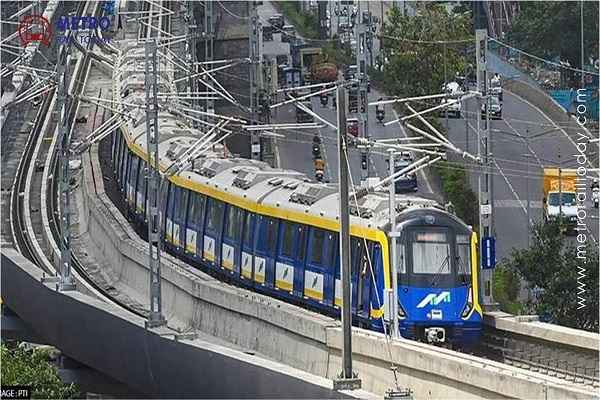 Efkon India Bags ₹103 Crore Telecom Systems Contract for Mumbai Metro Lines 7A and 9
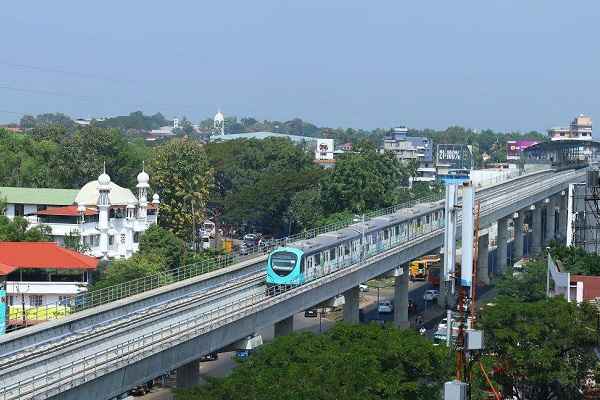 Bids invited for Telecommunication Systems Contract for Kochi Metro Phase 2 Pink Line
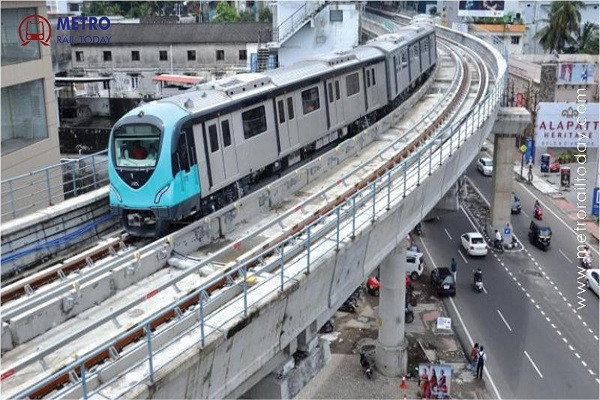 KMRL invites bids for supply of Heavy-Duty Escalators for Kochi Metro Phase 2 Pink Line
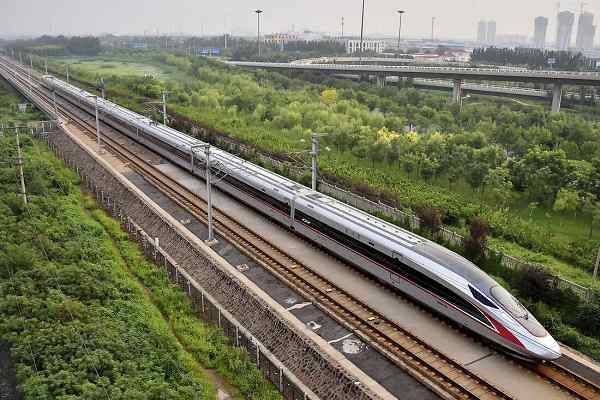 Spain floated €357.6 Million civil works tender for Burgos–Vitoria High-Speed Rail Line
 Wabtec bags multiple contracts to supply over 680 Pantographs for Rail & Metro projects in India
 Titagarh Rail bags major Rolling Stock contract for Ahmadabad Metro Phase 2 and Surat Metro
 Indian Railways restructures Railway Board, Redeploys 50 Senior Officers to Field Duty
 T&T Infra–Univastu JV Bags ₹229.97 Crore Civil Contract of Pune Metro Rail Project
 Rail composites market set to reach $2.4 billion by 2028 as Railways embrace lightweight materials
 Alstom powers Delhi Metro's Pink and Magenta Line with Driverless Trains and CBTC Signalling
India’s Metro Rail Network crosses 1,080 km as Southern States drive expansion
MRT Online Desk
Posted on: 2025-12-12 16:31:00
Viewer: 1,603
Comments: 0
Country: India
City: New Delhi
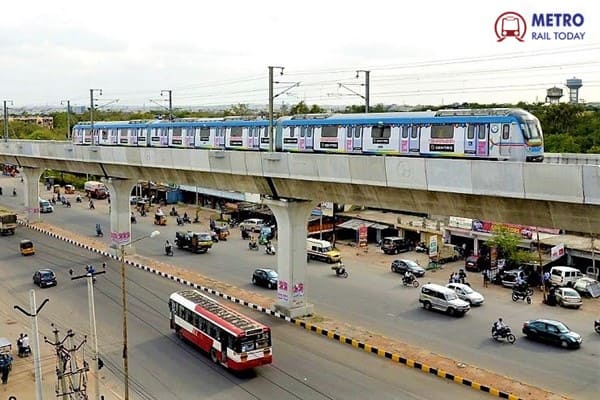
New Delhi, India (Metro Rail Today): India’s metro rail network continues its rapid expansion, with over 1,083 km of metro and RRTS corridors now operational across 25 cities, reflecting the country’s accelerating push toward sustainable urban mobility. The Ministry of Housing and Urban Affairs (MoHUA) reaffirmed that metro rail projects remain a cornerstone of India’s long-term transport planning, even as approvals follow a rigorous and capital-intensive evaluation process.
In a statement, MoHUA noted that metro projects are governed by the Metro Rail Policy, 2017, under which proposals undergo extensive appraisal. “Approval depends on feasibility, ridership potential, and availability of financial resources. Therefore, no fixed timelines can be prescribed for sanctioning metro projects,” the ministry said.
Southern India emerges as a major growth hub
Southern states are playing a significant role in the next phase of metro expansion. Union Minister of State for Housing and Urban Affairs Tokhan Sahu, in a written reply to the Lok Sabha on December 11, stated that:
-
251.36 km of new metro lines are currently under construction across southern India
-
247.68 km of metro network is already operational in the region
-
Karnataka: 121.16 km
-
Tamil Nadu: 119 km
-
Kerala: 11.2 km
Karnataka leads the southern region in new metro construction, driven largely by the ongoing expansion of Bengaluru Metro Phase-2 and Phase-2A/2B corridors.
Operational metro networks: Karnataka leads
In terms of metro rail lines already in service, Karnataka again tops the list among southern states:
-
Karnataka: 96.1 km
-
Telangana: 69 km
-
Tamil Nadu: 54.10 km
-
Kerala: 28.48 km
The figures highlight the steady maturation of metro systems in Bengaluru, Hyderabad, Chennai, and Kochi, which together form the backbone of urban rail transit in southern India.
Capital-intensive projects, long-term benefits
MoHUA reiterated that metro rail projects involve high capital costs, complex land acquisition, and multi-agency coordination, making phased approvals unavoidable. However, the ministry underlined that metros remain critical for reducing congestion, lowering carbon emissions, and supporting sustainable urban growth.
Commenting on the expanding metro footprint, Mrs. Mamta Shah, MD & CEO, Urban Infra Group, said: “Crossing 1,080 km of operational metro and RRTS corridors reflects India’s strong commitment to sustainable urban transport. Southern states, particularly Karnataka and Tamil Nadu, are setting benchmarks in metro execution. While approvals require rigorous financial and technical scrutiny, the long-term economic, environmental, and social benefits of metro systems far outweigh the initial capital investment.”
With more than 250 km under active construction in southern India alone, and several proposals at various stages of appraisal nationwide, India’s metro rail network is poised for continued expansion. As cities grow and mobility demands rise, metro rail systems are expected to remain central to India’s urban transport strategy in the coming decades.


MRT Online Desk
Metro Rail Today is an authentic and global news provider for the Rail & Metro industry from and around the world.