

Trending Now
 MMRDA invites bids for ₹4,882 Crore Rolling Stock & Systems Contract for Mumbai Metro Line 12
 Kolkata Metro completes Aluminium Third Rail Upgrade on Blue Line
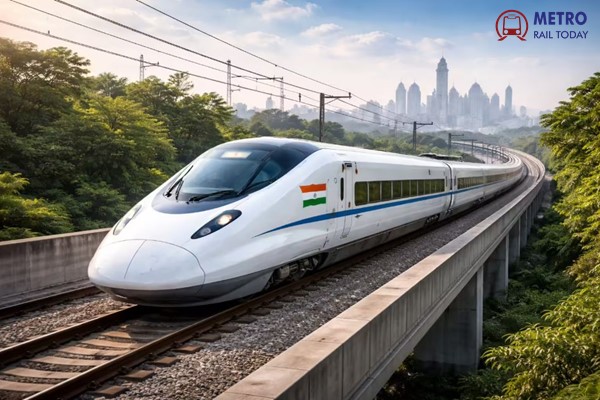 Metroman E. Sreedharan submits new Blueprint for ₹54,000 Crore Kerala High Speed Rail Corridor
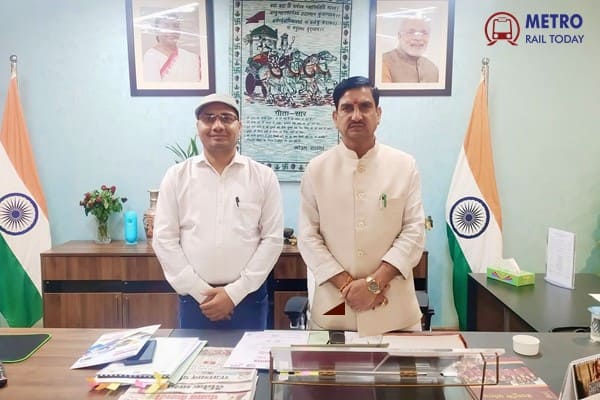 Union Housing & Urban Affairs Minister Tokhan Sahu to inaugurate 6th RailTrans Expo 2026
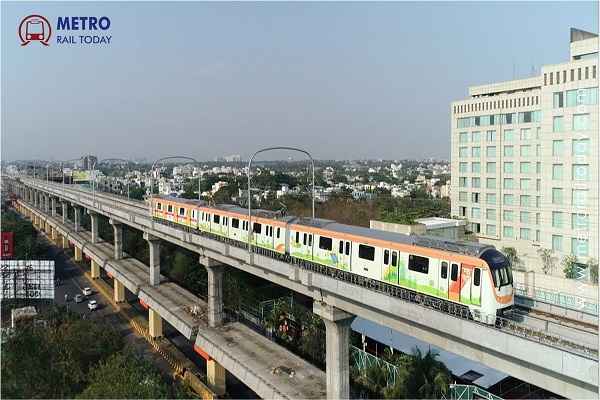 Maha Metro plans Six-Coach Trains ahead of Pune Metro Line 3 Launch
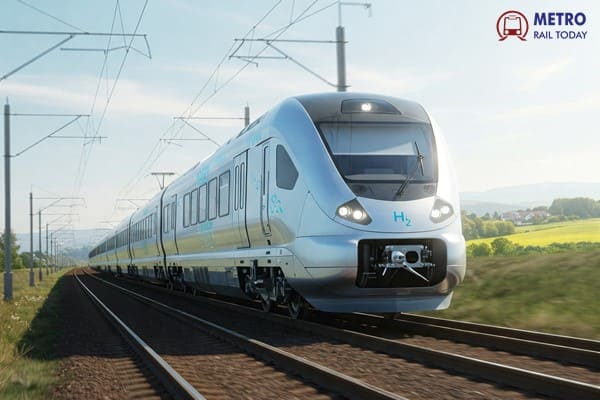 Railway Ministry approves launch of India’s First Hydrogen-Powered Train on Jind–Sonipat Route
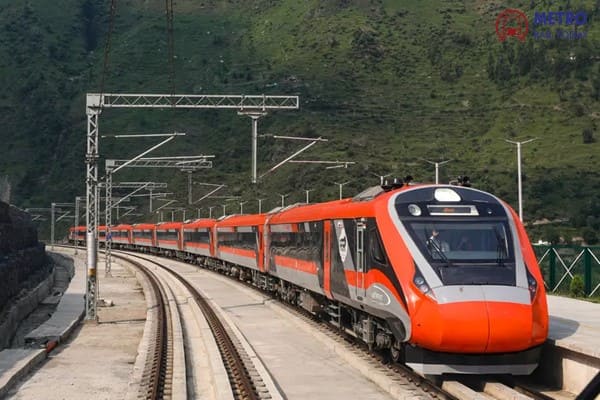 Kineco Global Rail secures Interior Contract for new 100 Vande Bharat Sleeper Trains
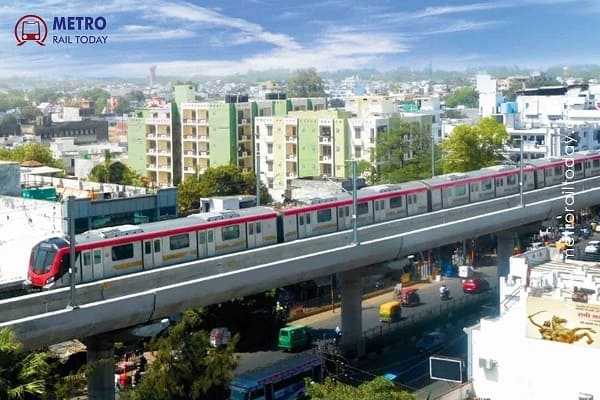 Ranjit Buildcon Wins ₹383.98 Crore Civil Contract for Lucknow Metro Phase 1B
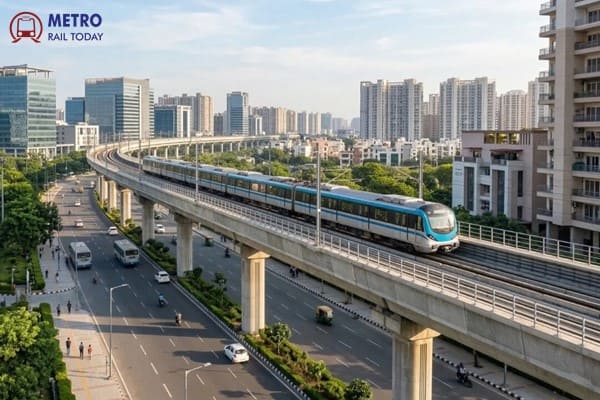 Tamil Nadu seeks Central Support for new Metro Rail Projects in Coimbatore, Hosur and Madurai
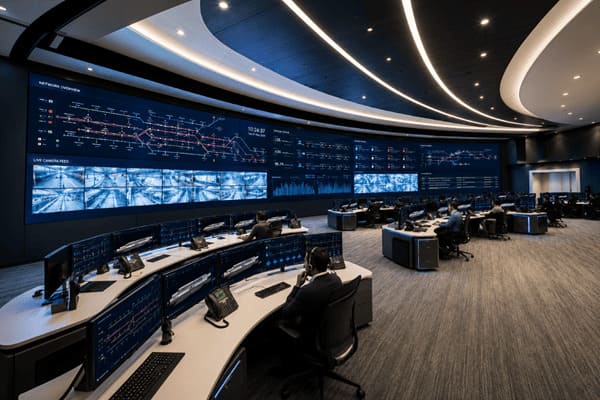 Future Metro Control Centres: ST Engineering Transforms Command Rooms to Intelligent Nerve Centres
K-RIDE to float fresh civil tender after terminating L&T from Bengaluru Suburban Rail Project
MRT Online Desk
Posted on: 2025-10-06 16:15:00
Viewer: 2,438
Comments: 0
Country: India
City: Bengaluru
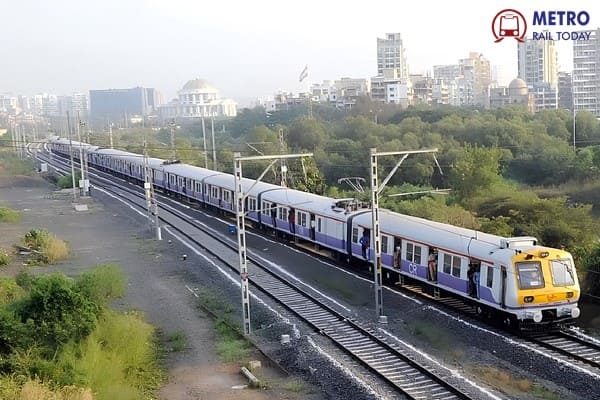
Bengaluru, India (Metro Rail Today): The Rail Infrastructure Development Company (Karnataka) Limited (K-RIDE) announced on Monday that it will soon invite fresh tenders for the remaining civil works of Corridor-2 (Mallige Line) of the Bengaluru Suburban Railway Project, following the termination of its earlier contract with Larsen & Toubro (L&T).
The decision comes after legal consultation with the advocate-general and recommendations from the tender evaluation committee, citing non-compliance with tender conditions, including failure to submit performance security and bank guarantees.
To expedite stalled progress, K-RIDE will now split the remaining work into three separate packages, with details expected to be released shortly.
“This fresh tendering approach is aimed at unlocking the long-delayed potential of Corridor-2, which plays a vital role in connecting East and West Bengaluru and integrating with the city's metro and rail networks,” said a senior K-RIDE official.
Why the L&T Contract Was Terminated?
The original contract for civil works on Corridor-2 (Benniganahalli to Chikkabanavara) was awarded to L&T in August 2022. However, the project ran into trouble when L&T failed to meet contractual requirements and ceased work in March 2025, citing losses due to delayed land acquisition. The company also issued a legal notice, blaming idle resources for the financial impact.
After nearly two years of stalled construction, K-RIDE formally terminated the agreement in August 2025 and began exploring ways to revive the corridor’s progress.
Corridor-2: A Critical Urban Connector
Known as the Mallige Line, Corridor-2 runs from Benniganahalli to Chikkabanavara, cutting across Bengaluru’s heavily congested East–West axis. Once completed, the line is expected to:
-
Relieve road traffic in key commercial and residential zones
-
Provide multimodal integration with Namma Metro and other railway stations
-
Enhance commuter convenience for daily travelers and IT professionals
-
Boost last-mile connectivity with metro and bus interchanges
Corridor-2 is especially important as it is one of the few suburban lines intersecting multiple transport networks, offering critical linkages across the city.
Bengaluru Suburban Railway Project: Overview
The ₹15,767 crore Bengaluru Suburban Railway Project is a joint venture between the Government of India and the Karnataka State Government, spanning 148 km across four corridors. It aims to decongest Bengaluru’s roads by providing a reliable and high-capacity rail-based transport system for the city’s growing urban population.
So far, only Corridor-2 has seen significant on-ground progress, with about 25 km of work initiated, while other corridors are still in early stages of land acquisition or approvals.
“Corridor-2 was seen as the project’s flag-bearer, and its delay has been a setback. The re-tendering will restore momentum and reassure citizens about the project’s commitment,” said Mrs. Mamta Shah, MD & CEO of Urban Infra Group. “It’s critical to ensure timely delivery now to match Bengaluru’s urgent mobility needs.”
With K-RIDE set to re-tender the remaining civil works on Corridor-2, the Bengaluru Suburban Railway Project may finally regain traction after months of delay and legal challenges. As the city struggles with worsening traffic and inadequate public transport, Corridor-2’s revival is key to building a modern, interconnected, and sustainable urban mobility network in Bengaluru.

MRT Online Desk
Metro Rail Today is an authentic and global news provider for the Rail & Metro industry from and around the world.