

Trending Now
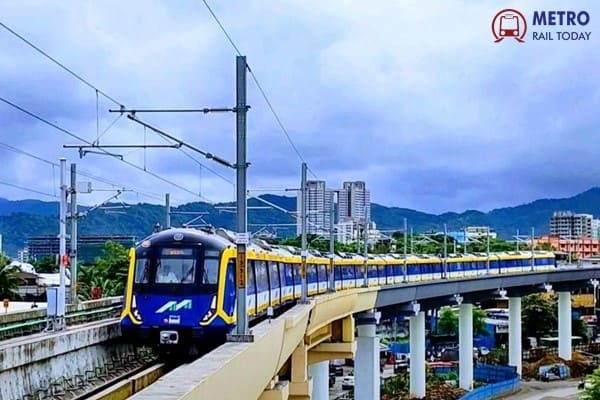 MMRDA invites bids for ₹4,882 Crore Rolling Stock & Systems Contract for Mumbai Metro Line 12
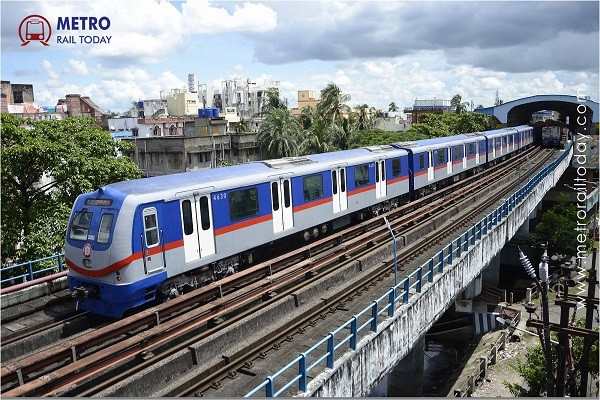 Kolkata Metro completes Aluminium Third Rail Upgrade on Blue Line
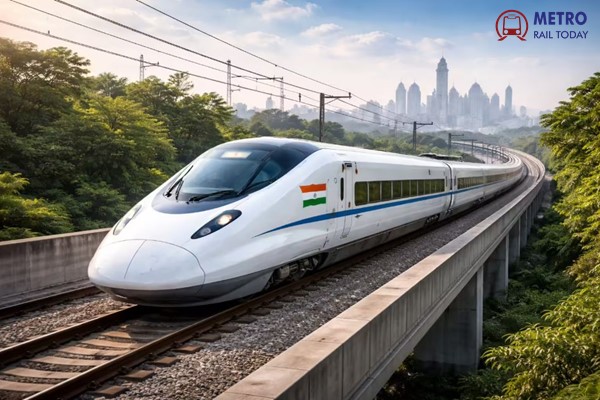 Metroman E. Sreedharan submits new Blueprint for ₹54,000 Crore Kerala High Speed Rail Corridor
 Union Housing & Urban Affairs Minister Tokhan Sahu to inaugurate 6th RailTrans Expo 2026
 Maha Metro plans Six-Coach Trains ahead of Pune Metro Line 3 Launch
 Railway Ministry approves launch of India’s First Hydrogen-Powered Train on Jind–Sonipat Route
 Kineco Global Rail secures Interior Contract for new 100 Vande Bharat Sleeper Trains
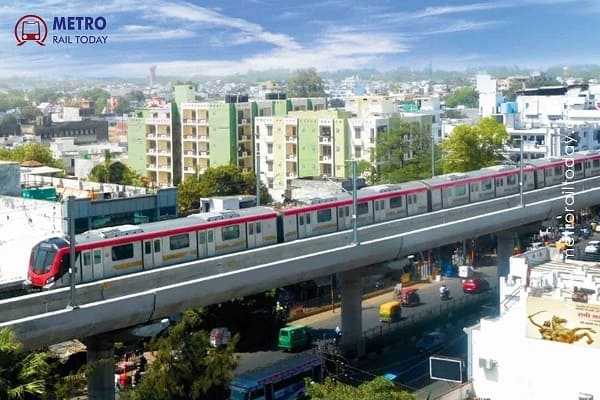 Ranjit Buildcon Wins ₹383.98 Crore Civil Contract for Lucknow Metro Phase 1B
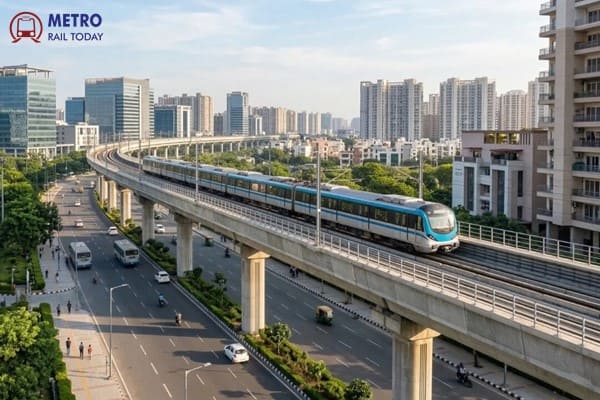 Tamil Nadu seeks Central Support for new Metro Rail Projects in Coimbatore, Hosur and Madurai
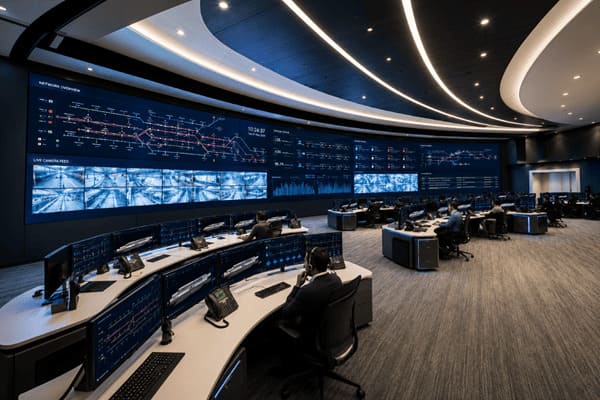 Future Metro Control Centres: ST Engineering Transforms Command Rooms to Intelligent Nerve Centres
Mumbai Metro Line 3 Phase 1 Set to Open Next Month: A New Era for Urban Transport
MRT Online Desk
Posted on: 2024-09-19 16:25:00
Viewer: 1,834
Comments: 0
Country: India
City: Mumbai
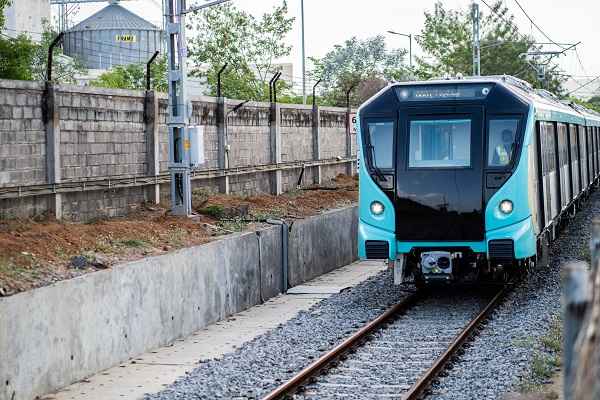
Mumbai, India (Metro Rail Today): The Mumbai Metro Rail Corporation Ltd (MMRCL) is gearing up for the inauguration of the city’s first underground metro line, Phase 1 of the Metro 3 corridor. This significant stretch, connecting Aarey to the Bandra Kurla Complex (BKC), is slated to open in the first week of October, marking a transformative step in Mumbai’s public transportation landscape. With an estimated project cost of ₹38,000 crore, this ambitious initiative aims to provide commuters with a more efficient and sustainable long-distance travel option.
According to MMRCL officials, the metro line will be inaugurated by Prime Minister Narendra Modi, with the opening ceremony expected to take place between October 3 and 5, with October 4 being the most likely date. The line will open to the public the day after the official inauguration, ensuring that residents can quickly benefit from this long-awaited transportation option. An MMRCL senior official stated, "We are fully prepared for the inaugural run."
Mumbai Metro 3 Phase 1: Connecting Key Suburbs
Phase 1 of the Metro 3 project plays a crucial role in enhancing connectivity in Mumbai. This initial phase will primarily link the western suburbs, setting the stage for the upcoming Phase 2, which will extend services into central Mumbai and the island city. Once fully operational, the entire 33 km corridor will link southern, central, and western Mumbai, significantly improving urban mobility and accessibility.
Stations Along the Mumbai Metro Line 3
The new metro line will encompass 12 kilometers, featuring ten strategically located stations. Notable stops along the route include:
- Aarey Colony
- SEEPZ
- MIDC
- Marol Naka
- Chhatrapati Shivaji Maharaj International Airport Terminal 2
- Sahar Road
- Chhatrapati Shivaji Maharaj International Airport Terminal 1
- Santacruz
- Vidyanagari
- BKC
This metro line will facilitate travel between Colaba and SEEPZ, covering the entire distance in approximately one hour. Upon completion, the metro is expected to cater to around 1.7 million commuters daily, with trains scheduled to run every 3 to 4 minutes. Each train can accommodate at least 2,500 passengers, ensuring ample capacity for the bustling city.
Project Delays and Challenges
Despite the excitement surrounding the upcoming launch, the Mumbai Metro 3 project has faced its share of challenges and delays. Originally slated for completion in 2021, subsequent deadlines were pushed back to December 2023 and then June 2024. Officials have cited various reasons for these delays, particularly issues related to the Aarey depot. Permits for tree-cutting and slow construction progress by contractors—who faced penalties for delays—were significant contributing factors.
Looking Ahead: The Future of Mumbai Metro
While the opening of Phase 1 is a landmark achievement, the anticipated Phase 2 of the Mumbai Metro 3 project promises to extend these benefits even further. Set to start operations by 2025, this phase aims to enhance connectivity throughout Mumbai, linking critical locations such as Nariman Point, Fort, and Chhatrapati Shivaji Maharaj Terminus.
As Mumbai continues to grapple with traffic congestion and pollution, the Metro 3 corridor is a vital step toward modernizing the city’s transport infrastructure. By providing a reliable and efficient public transit option, the metro will not only improve urban mobility but also contribute to Mumbai’s sustainability goals.
The inauguration of Mumbai Metro 3 Phase 1 heralds a new chapter in the city's urban transport planning. As commuters eagerly await the opening, the project stands as a testament to Mumbai’s commitment to enhancing public transportation and addressing the challenges posed by rapid urbanization. With the metro set to change the way residents navigate the city, it underscores the importance of sustainable transport solutions in shaping the future of urban mobility.

MRT Online Desk
Metro Rail Today is an authentic and global news provider for the Rail & Metro industry from and around the world.