

Trending Now
 Uttarakhand Govt proposes extension of Delhi–Meerut RRTS Corridor to Haridwar and Rishikesh
 TBM assembly begins for India’s First Undersea Bullet Rail Tunnel in Mumbai
 Tender issued for 90 Rolling Stock Cars for Magenta Line Extension under Delhi Metro Phase IV
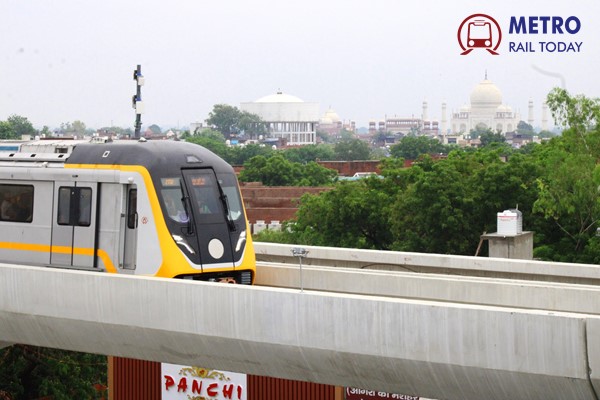 Agra Metro completes system trial run on 6-km Mankameshwar–ISBT Stretch
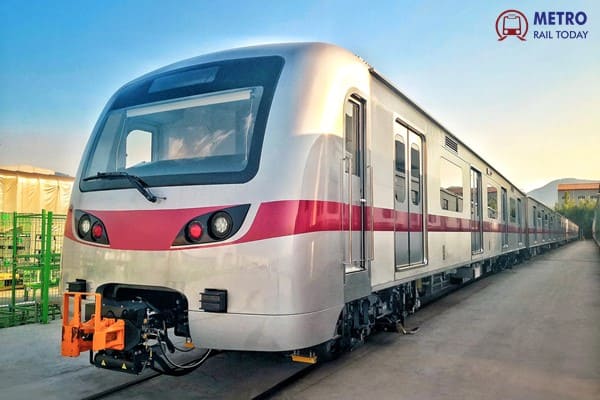 CRRC unveils Driverless CR151 Metro Train for Singapore’s Cross Island Line
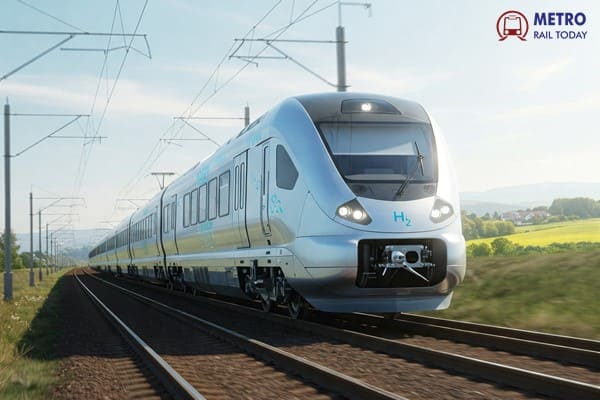 Alstom acquires Cummins Hydrogen Fuel Cell Unit to strengthen Hydrogen Train portfolio
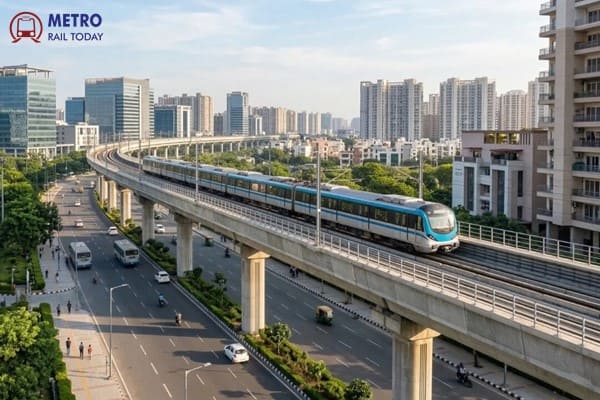 DMRC and BEML sign strategic MoU to jointly participate in Metro Rail Projects in India and Overseas
 Govt of India cabinet approves ₹13,038 Crore 41-km Jaipur Metro Phase 2 Project
 Thane Metro receives single bid for first ₹223 crore Station Construction Package
 Matrix Geo bags NWR Contract for Drone-Based Monitoring of 272 km Rail Doubling Project
Phase 1 of Mumbai Metro Line 3 set to launch to the public: Know All About
MRT Online Desk
Posted on: 2024-10-01 08:00:00
Viewer: 4,294
Comments: 0
Country: India
City: Mumbai
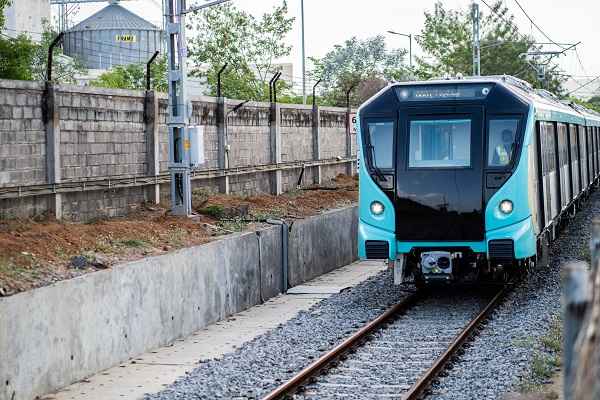
Mumbai, India (Metro Rail Today): Mumbai is on the verge of a significant transformation in its transportation network with the partial inauguration of its first underground metro, the Metro Line 3 project, also known as the Aqua Line. Set to be inaugurated by Prime Minister Narendra Modi this week, this milestone will launch the first phase of the Aqua Line, covering a vital 12-kilometer stretch that connects Aarey Colony to the Bandra Kurla Complex (BKC). The line will feature 10 operational stations, enhancing connectivity in one of India’s busiest cities.
The Aqua Line is part of a broader initiative to expand the Mumbai Metro network, which aims to alleviate congestion and improve connectivity across the city. In total, 14 metro lines are planned, with several already operational or under construction. Key lines include:
- Line 1 (Blue Line): Versova to Ghatkopar, 12 stations, 11.4 km
- Line 2A (Yellow Line): Dahisar (East) to DN Nagar, 17 stations, 18.6 km
- Line 4 (Green Line): Wadala to Kasarvadavali, 32.32 km
- Line 6 (Pink Line): Lokhandwala to Kanjurmarg, 14.47 km
This expansion is designed to enhance the city's infrastructure, providing efficient transportation options for both residents and visitors.
The Metro Line 3 project spans a total corridor length of 33.5 kilometers, with an expected completion date of March 2025. Once fully operational, it will consist of 27 stations, including the followingCuffe Parade, Vidhan Bhavan, Churchgate, Hutatma Chowk, CST, Kalbadevi, Girgaon, Grant Road, Mumbai Central, Mahalaxmi, Science Museum, Acharya Atrey Chowk, Worli, Siddhivinayak, Dadar, Shitladevi Temple, Dharavi, BKC, Vidyanagri, Santacruz, CSIA Domestic, Sahar Road, CSIA International, Marol, MIDC, SEEPZ and Aarey.
The operational hours for the Aqua Line will be from 6:30 AM to 10:30 PM on weekdays and 8:30 AM to 10:30 PM on weekends.
Train Operations: The line will feature nine rakes making 96 trips daily. Each eight-car train can accommodate approximately 2,500 passengers. Trains will be operated by 48 train captains and have the capability to run driverless, marking a significant technological advancement in urban transport.
The partial launch of the Metro 3 corridor is expected to dramatically improve travel within Mumbai. Stations along the route will facilitate key connections between southern, central, and western Mumbai, linking areas such as Nariman Point, Mumbai Central, Worli, Dadar, and providing direct access to the Mumbai International Airport. This is particularly important for alleviating road congestion in high-traffic areas, especially in the western suburbs.
While the official fare structure for the Aqua Line has yet to be confirmed, it is expected to align closely with existing metro lines. The estimated fares are as follows:
- 0-3 km: ₹10
- 3-12 km: ₹20
- 12-18 km: ₹30
- 18+ km: ₹40 or more
Initially, passengers will use paper tickets with QR codes, with plans to gradually introduce National Common Mobility Card (NCMC) options for enhanced convenience.
The Aqua Line was originally slated for completion in 2021 but faced delays due to environmental concerns and slow construction progress. Despite these challenges, its upcoming launch signifies a crucial step forward in enhancing Mumbai's public transport infrastructure, promising to reshape how residents navigate the city.
The launch of the Mumbai Metro 3 Aqua Line marks a transformative moment for the city’s transportation landscape. With a focus on improving connectivity, reducing congestion, and providing efficient transit options, this project is poised to make a lasting impact on the daily lives of millions of Mumbaikars. As the city prepares for this monumental change, the Aqua Line is set to become an essential component of Mumbai's urban mobility ecosystem.

MRT Online Desk
Metro Rail Today is an authentic and global news provider for the Rail & Metro industry from and around the world.