


Trending Now
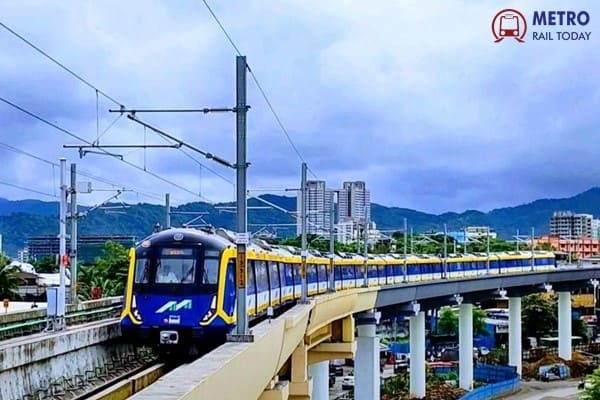 MMRDA invites bids for ₹4,882 Crore Rolling Stock & Systems Contract for Mumbai Metro Line 12
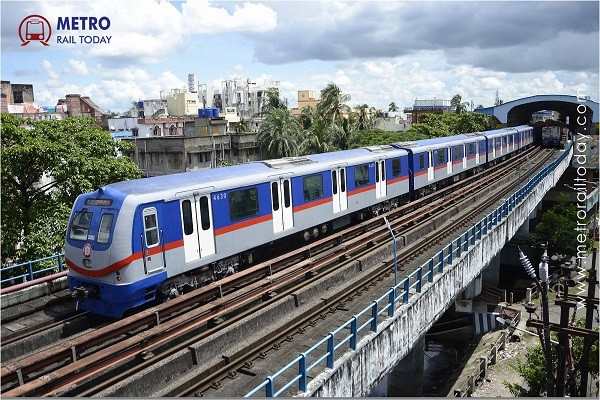 Kolkata Metro completes Aluminium Third Rail Upgrade on Blue Line
 Metroman E. Sreedharan submits new Blueprint for ₹54,000 Crore Kerala High Speed Rail Corridor
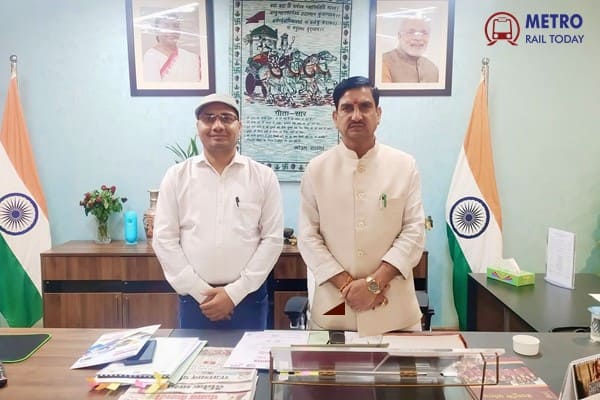 Union Housing & Urban Affairs Minister Tokhan Sahu to inaugurate 6th RailTrans Expo 2026
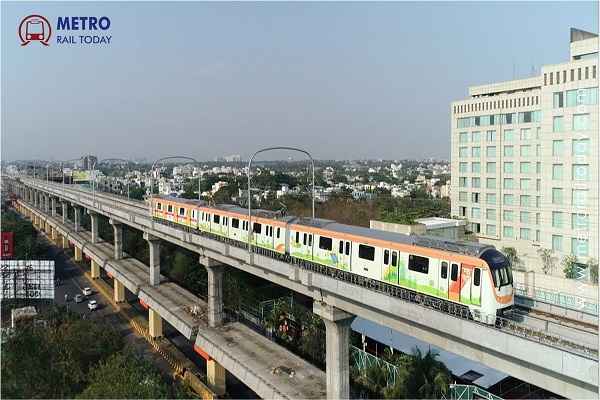 Maha Metro plans Six-Coach Trains ahead of Pune Metro Line 3 Launch
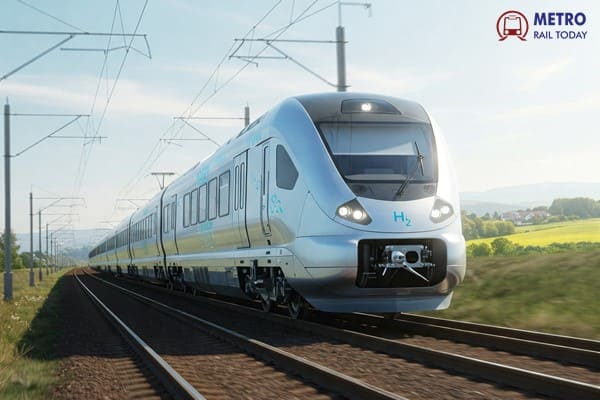 Railway Ministry approves launch of India’s First Hydrogen-Powered Train on Jind–Sonipat Route
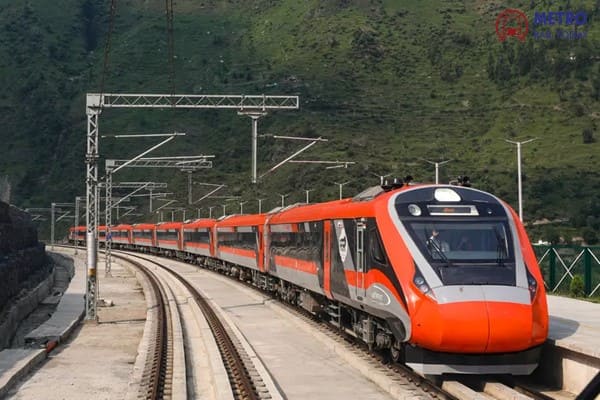 Kineco Global Rail secures Interior Contract for new 100 Vande Bharat Sleeper Trains
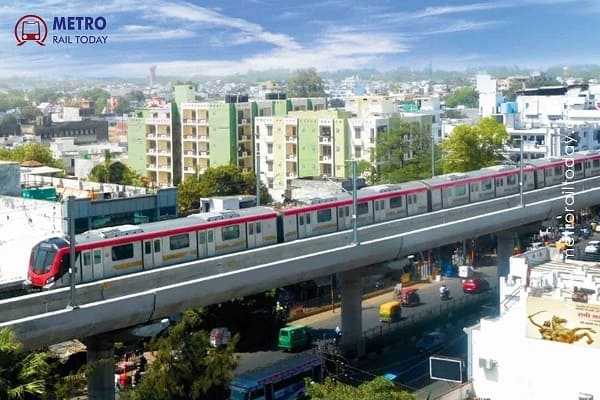 Ranjit Buildcon Wins ₹383.98 Crore Civil Contract for Lucknow Metro Phase 1B
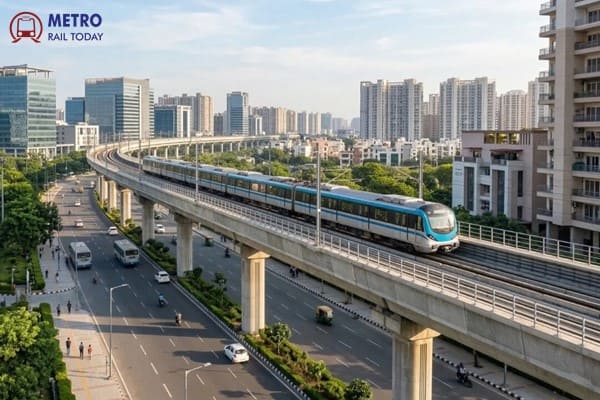 Tamil Nadu seeks Central Support for new Metro Rail Projects in Coimbatore, Hosur and Madurai
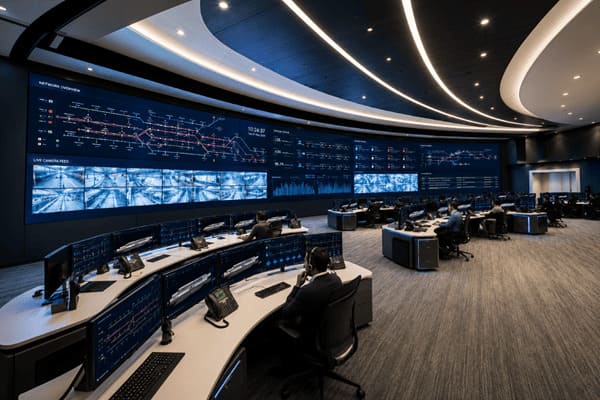 Future Metro Control Centres: ST Engineering Transforms Command Rooms to Intelligent Nerve Centres
Rajasthan Govt approves DPR of ₹12,260 crore Jaipur Metro Phase 2 project
MRT Online Desk
Posted on: 2025-05-26 15:25:00
Viewer: 6,197
Comments: 0
Country: India
City: Jaipur
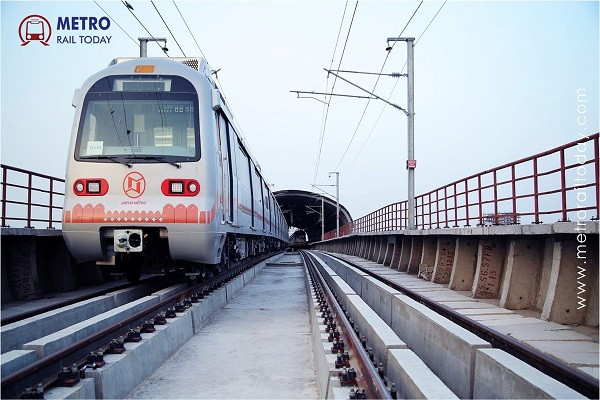
Jaipur, India (Metro Rail Today): Rajasthan Chief Minister Bhajanlal Sharma has approved the Detailed Project Report (DPR) for Jaipur Metro Phase 2, moving the long-anticipated infrastructure upgrade one step closer to reality. The report has been forwarded to the Union Ministry of Housing and Urban Affairs for final approval, paving the way for construction to begin soon.
Announced in the Rajasthan State Budget for 2025–26, Phase 2 of the Jaipur Metro project will cover a significant 42.80-kilometer stretch from Todi Mode to Prahladpura, with 36 stations, including two underground. Once completed, this new corridor is expected to become a backbone of urban connectivity in Jaipur.
The ambitious project will be executed by the newly established Rajasthan Metro Rail Corporation (RMRC)—a 50:50 joint venture between the state and central governments. RMRC has been entrusted with overseeing the implementation and management of all present and future metro projects in Jaipur.
According to official estimates, the total project cost is pegged at ₹12,260 crore (₹122.60 billion), with financial institutions expected to provide loans for its execution.
The Phase 2 route has been strategically planned to connect Jaipur’s major residential, commercial, educational, and industrial zones, including the VKI Industrial Area and the Sitapura Industrial Area, thereby promoting ease of commuting, reducing traffic congestion, and supporting regional economic growth.
Once operational, the expanded metro network will not only improve daily urban mobility but also stimulate real estate, retail, and employment in the Pink City.
This project aligns with India’s broader urban infrastructure and sustainable mobility initiatives under the National Transit-Oriented Development (TOD) framework.

MRT Online Desk
Metro Rail Today is an authentic and global news provider for the Rail & Metro industry from and around the world.