

Trending Now
 DMRC floats Tender for Central Vista Depot Design in Delhi Metro Phase V Expansion
 MMRDA seeks ₹14,100 Crore Loan for two upcoming Mumbai Metro Corridors
 Jupiter Wagons Eyes ₹20,000-Crore Mumbai Suburban Mega Rolling Stock Tender
 Mumbai Metro Chief Ashwini Bhide appointed as First Woman BMC Commissioner
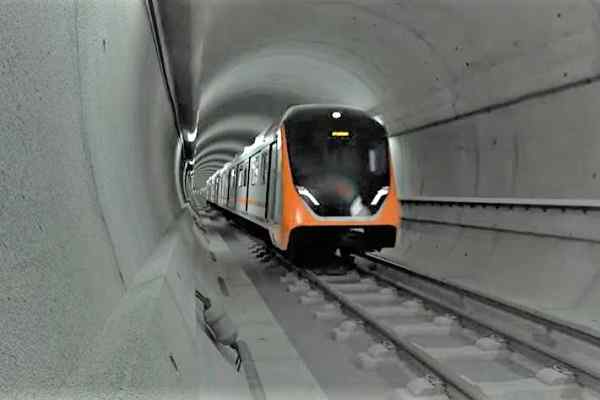 TBM ‘Parvati’ completes Underground Tunnelling on Kanpur Metro Phase 1 Project
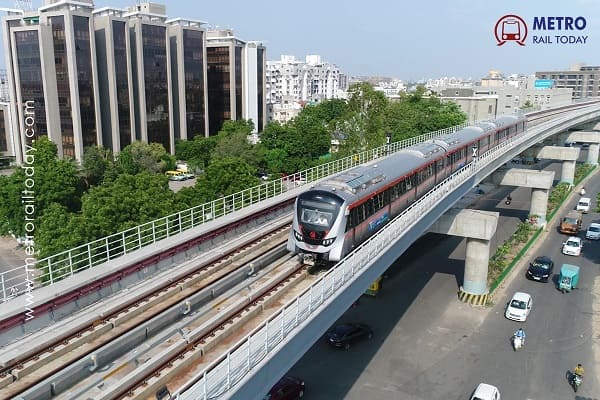 Surat Metro begins First Trial Run on 8.5 km Diamond Corridor between Dream City and Althan Tenement
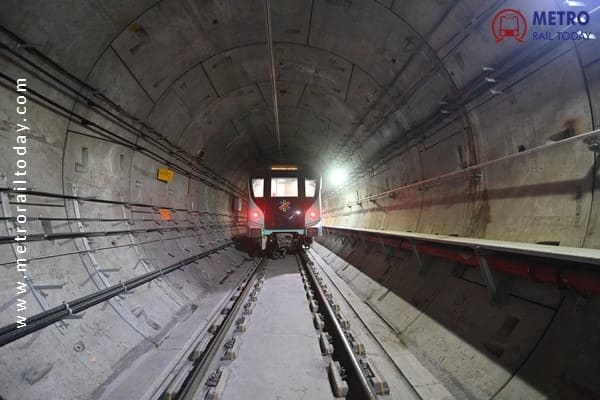 Cemindia wins ₹1,024 crore Civil Contract for Central Vista Tunnel Package of Delhi Metro Phase V
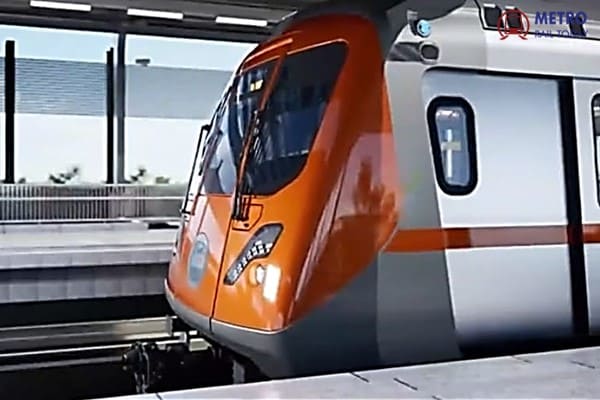 TBM ‘Durgavati’ begins tunneling works on Bhopal Metro Underground Stretch
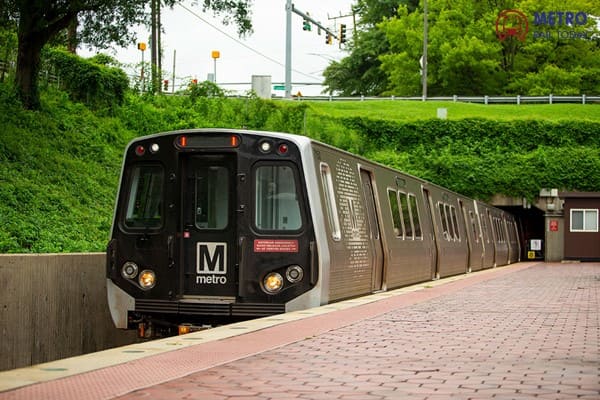 Washington Metro celebrates its Golden Jubilee—50 years of passenger service
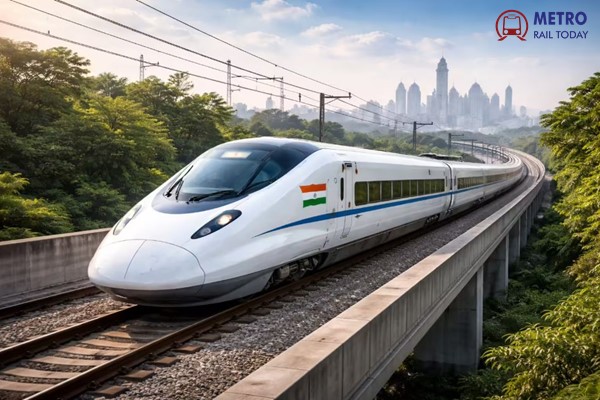 Two TBMs arrive in Mumbai for undersea tunneling on Mumbai-Ahmedabad Bullet Train Project
The Financial Engine Unchained: Inside IRFC’s Multi-Billion Dollar Pivot to 'IRFC 2.0'
MRT Online Desk
Posted on: 2026-01-15 17:30:00
Viewer: 12,002
Comments: 0
Country: India
City: New Delhi
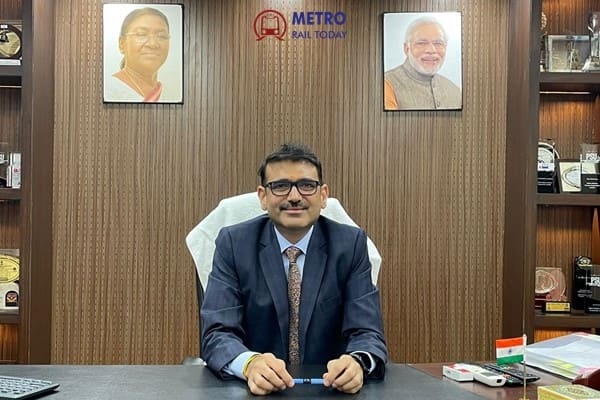
For decades, the Indian Railway Finance Corporation (IRFC) functioned as a quiet, captive lender, a financial conduit whose primary purpose was to fund the rolling stock of the national transporter. But under the leadership of its new Chairman and Managing Director, Manoj Kumar Dubey, the Navratna PSU is undergoing a metamorphosis.
The strategy, now internally termed "IRFC 2.0," represents a decisive shift from being merely a "railway bank" to becoming the primary financier for India’s entire transit and logistics ecosystem. In a series of recent disclosures and strategic dialogues, Mr. Dubey has unveiled a roadmap that promises to double down on high-yield sectors like Metro Rail and port connectivity, while fundamentally altering the corporation’s debt profile through global co-financing.
The ‘NIM’ Gambit: Chasing Higher Yields
The core of IRFC’s transformation lies in its search for better margins. Historically, lending to the Ministry of Railways has been a safe but low-margin business, with Net Interest Margins (NIM) hovering around 1.4%.
"When we lend outside the traditional ministry framework to the broader ecosystem, our margins are significantly better," Mr. Dubey explained. He anticipates that projects in the diversified portfolio will yield margins exceeding 2%. The corporation is now aggressively targeting a long-term NIM improvement over the next five to seven years, driven by a ₹60,000 crore sanction target for the current fiscal year—a milestone it is on the verge of crossing.
Refinancing the Giants
A cornerstone of this new strategy was the recent ₹9,821 crore refinancing deal for the Dedicated Freight Corridor Corporation of India (DFCCIL). In what Mr. Dubey describes as a "unique win-win transaction," IRFC took over a high-cost World Bank loan.
The move was surgical: it allowed DFCCIL to save an estimated ₹2,700 crore in interest costs over the loan's tenure, while IRFC immediately boosted its Assets Under Management (AUM) and interest income. This "refinancing model" is now being pitched to other Special Purpose Vehicles (SPVs) that are currently saddled with expensive commercial bank debt.
Metro Rail: The New Frontier
For the urban transit sector, IRFC’s entry is a game-changer. The corporation is moving beyond the national rail network to fund the "rolling stock" (coaches and engines) of city metro projects.
"We are on the verge of signing an agreement with a major metro project to finance their rolling stock for the first time," Mr. Dubey revealed. The strategy involves a sophisticated "co-financing" model with multilateral agencies like the World Bank and the Asian Development Bank (ADB). In this partnership, the multilateral agencies fund the "civil" infrastructure—tunnels, tracks, and stations—while IRFC leverages its AAA-rated balance sheet to finance the technology-heavy rolling stock.
Beyond Rails: Logistics and Ports
The "forward and backward linkages" mentioned by Mr. Dubey are extensive. With his previous experience as Director (Finance) at CONCOR, Mr. Dubey is steering IRFC toward:
-
Port Connectivity: Financing "Sagarmala" projects where rail lines connect major ports.
-
Logistics Parks: Funding Gati Shakti Cargo Terminals and multimodal logistics parks.
-
Energy Transition: Providing term loans to entities like NTPC and MAHAGENCO (recently sanctioning ₹5,000 crore) for railway-linked power infrastructure.
Zero NPAs and a Global Vision
Perhaps IRFC’s strongest suit is its pristine balance sheet. In an era of cautious lending, IRFC maintains a "Zero NPA" (non-performing asset) status. This financial discipline allows it to borrow from domestic and international markets at rates that few other institutions can match.
As IRFC celebrates its 40th anniversary, the "IRFC 2.0" vision is not just about expanding the ledger; it’s about integration. By 2047, as India seeks to become a developed economy, the corporation aims to be the invisible spine supporting every commute in a Metro coach and every ton of freight moving toward a port.
For the markets and the ministry alike, the message from Mr. Dubey is clear: the tracks have been laid, and the engine of IRFC is now running on a much larger, more profitable circuit.

MRT Online Desk
Metro Rail Today is an authentic and global news provider for the Rail & Metro industry from and around the world.