


Trending Now
 K-RIDE to appoint Detailed Design Consultant for Bengaluru Suburban Rail Project
 Prime Minister Narendra Modi inaugurates first 15-km stretch of Chennai Metro Phase 2
 Karnataka proposes 270-km RRTS Network linking Bengaluru with Tumakuru, Mysuru and KGF
 Alstom and Vingroup sign MoU to supply up to 200 Metro Trains for Hanoi Urban Rail Projects
 Afcons Infrastructure wins ₹1,383 crore Civil Contract for Lucknow Metro Phase 1B Corridor
 GMRL issues ₹1,662 crore Civil Tender for Sector 9–Cyber City Gurugram Metro Rail Corridor
 Madrid unveils €1.57 billion Metro Rail Expansion Programme with 27.8 km of New Corridors
 Global Tender launched for Project Management Consultancy for Abu Dhabi Tram Line 4
 NV Dynamics awarded Noise and Vibration Study contract for Jaipur Metro Phase 2 Project
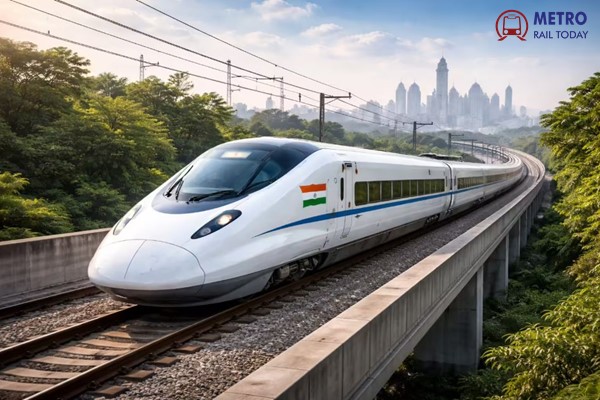 Two global consortia bid for India’s 350 kmph High-Speed Rail Design consultancy contract
Titagarh Rail Systems and Siemens join hands to explore Global Metro Rolling Stock opportunities
MRT Online Desk
Posted on: 2026-08-26 06:50:00
Viewer: 1,302
Comments: 0
Country: India
City: New Delhi
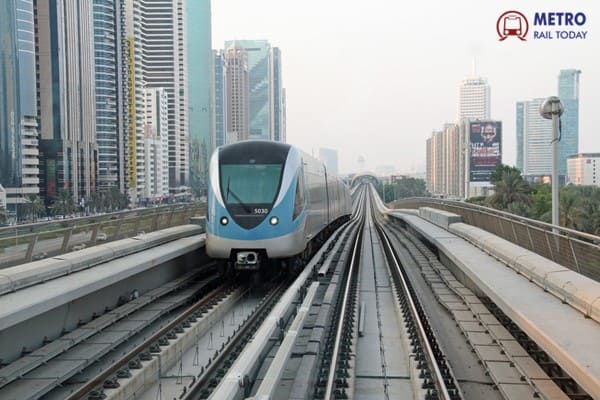
New Delhi, India (Rail & Metro Today): Titagarh Rail Systems Limited (TRSL) has signed a non-binding Memorandum of Understanding (MoU) with Siemens to jointly evaluate and explore opportunities in the international metro rolling stock sector on a case-to-case basis.
Signed on August 25, 2026, the agreement provides a framework for the two companies to assess potential metro rolling stock opportunities in international markets and identify areas where they could explore cooperation. While the MoU does not commit either company to a specific project, it establishes a platform for evaluating prospective opportunities as they emerge.
The development comes as Indian rolling stock manufacturers increasingly look beyond the domestic market and seek opportunities to participate in international rail and metro projects.
Titagarh and Siemens to Evaluate International Metro Projects
Under the MoU, Titagarh and Siemens will jointly examine potential opportunities in the international metro rolling stock market. Each prospective opportunity will be evaluated independently, allowing the companies to determine whether cooperation would be suitable based on the technical, commercial and project-specific requirements.
The case-to-case approach provides flexibility for both organisations. Rather than establishing a blanket commitment for all future projects, the framework allows Titagarh and Siemens to assess individual international metro opportunities and determine the appropriate scope of potential collaboration.
The agreement could potentially bring together the capabilities and market experience of the two companies in the global urban rail sector. However, any specific project participation or commercial arrangement would be subject to separate evaluation and agreements.
Partnership Supports Titagarh's Global Metro Ambitions
The MoU represents a potential step forward in Titagarh Rail Systems' international expansion strategy, particularly in the metro rolling stock segment.
Titagarh has established capabilities in railway rolling stock manufacturing and has been expanding its presence across different segments of the rail transportation industry. Exploring international metro opportunities could provide the company with additional avenues to participate in the growing global urban rail market.
The global metro sector continues to see demand as cities invest in mass rapid transit systems to address congestion, improve connectivity and support sustainable mobility. International opportunities can therefore offer Indian manufacturers scope to expand their expertise, manufacturing capabilities and global footprint.
Dr. Vinod Shah, Director General, Chamber of Railway Industries (Rail Chamber), said, “The collaboration between our corporate members Titagarh Rail Systems and Siemens reflects the growing global potential of India's rail manufacturing ecosystem. A flexible, project-by-project approach can help Indian manufacturers explore international metro markets while building partnerships with established global technology companies. Such initiatives can also strengthen India's position as a competitive hub for advanced rolling stock manufacturing.”
Focus on Local Manufacturing in India
Alongside its international ambitions, the arrangement is also expected to reinforce Titagarh's focus on local manufacturing in India.
The company has highlighted domestic manufacturing as an important part of its broader business strategy. Exploring global metro opportunities while continuing to strengthen manufacturing capabilities in India could support the development of an internationally competitive Indian rolling stock supply chain.
For the wider Indian railway industry, greater participation in international projects can potentially generate opportunities for domestic suppliers, component manufacturers, engineering companies and technology partners.
The combination of global market access and domestic manufacturing could also contribute to India's broader objective of developing a stronger and more self-reliant rail manufacturing ecosystem.
MoU Creates Framework for Future Cooperation
The August 25 MoU between Titagarh Rail Systems and Siemens is non-binding and does not represent an award or commitment for any particular metro rolling stock project.
Instead, it establishes a framework for both companies to jointly evaluate and explore international opportunities on a case-to-case basis. Any future collaboration would depend on the identification of suitable projects and the outcome of individual evaluations.
The agreement nevertheless provides a strategic platform for the two companies to examine opportunities in a rapidly expanding global metro market.
As cities worldwide continue to invest in urban rail infrastructure, the demand for modern metro rolling stock is expected to remain an important part of the broader public transport expansion. For Titagarh, the partnership with Siemens could provide an additional avenue to pursue such opportunities while maintaining its focus on strengthening local manufacturing capabilities in India.
The MoU therefore marks an important exploratory step rather than a project-specific commitment, bringing together two major rail industry players to assess potential opportunities in the international metro rolling stock sector.


MRT Online Desk
Metro Rail Today is an authentic and global news provider for the Rail & Metro industry from and around the world.