

Trending Now
 Ranjit Buildcon Wins ₹383.98 Crore Civil Contract for Lucknow Metro Phase 1B
 Tamil Nadu seeks Central Support for new Metro Rail Projects in Coimbatore, Hosur and Madurai
 Future Metro Control Centres: ST Engineering Transforms Command Rooms to Intelligent Nerve Centres
 Kochi Metro unveils Visionary Design for Phase II Pink Line Metro Stations
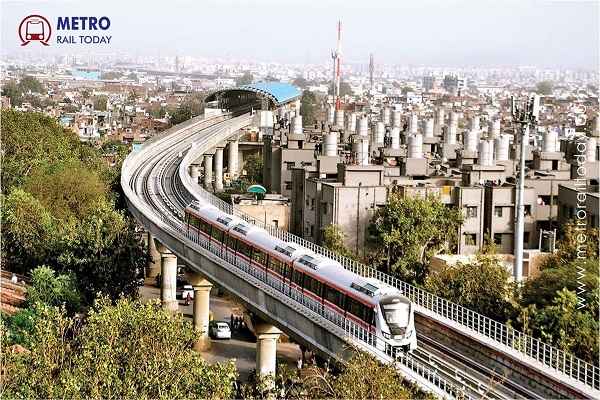 Design Consultancy Tenders floated for Ahmedabad Metro Phase 3 Elevated Corridors
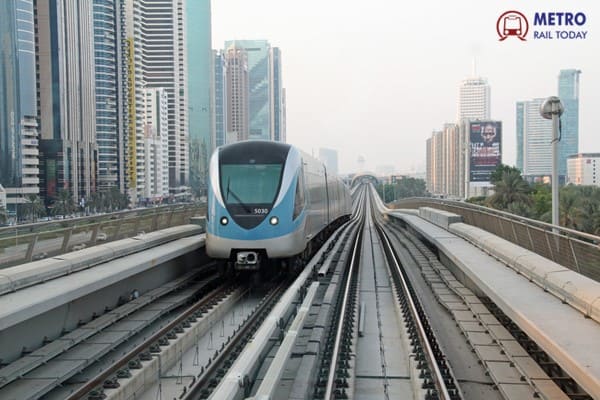 Global Metro Rail Infrastructure Market projected to reach US$ 78.3 billion by 2033
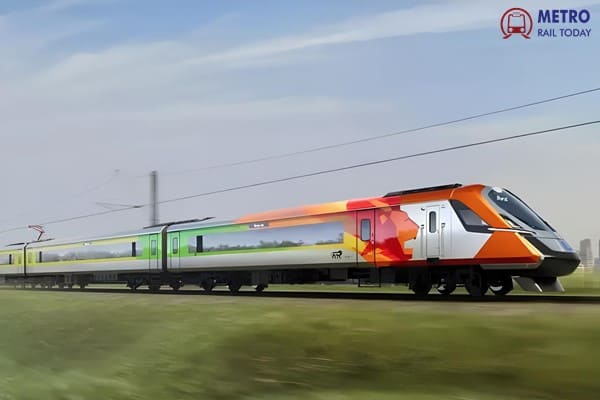 Kinet’s Vande Bharat Sleeper Concept wins prestigious Italian A’ Design Award
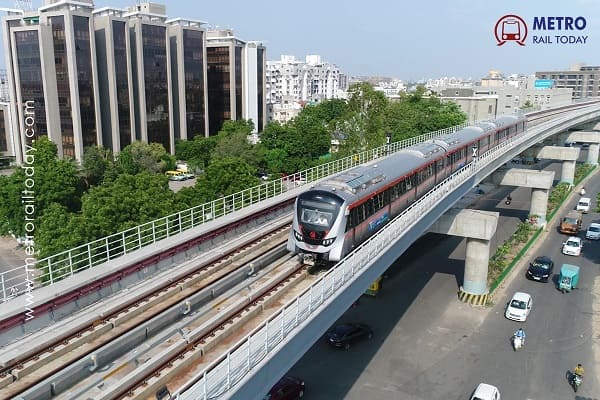 SYSTRA awarded Design Consultancy Contract for Ahmedabad Metro Phase 2 Extensions
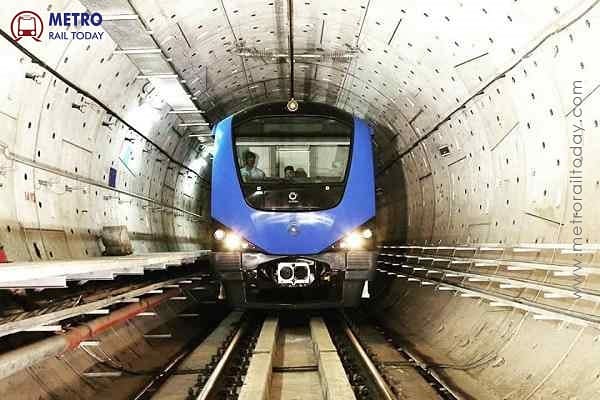 TBM Servarayan achieves Tunnel Breakthrough on Corridor 3 of Chennai Metro Phase 2
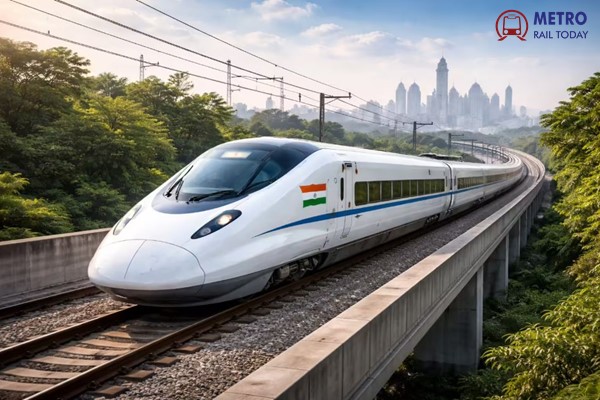 India targets 350 kmph Indigenous Bullet Train to accelerate High-Speed Rail ambitions
Vande Bharat Sleeper Rake faces delay, Indian Railways to hold back Prototype used in trial
MRT Online Desk
Posted on: 2025-09-05 07:00:00
Viewer: 6,145
Comments: 0
Country: India
City: New Delhi
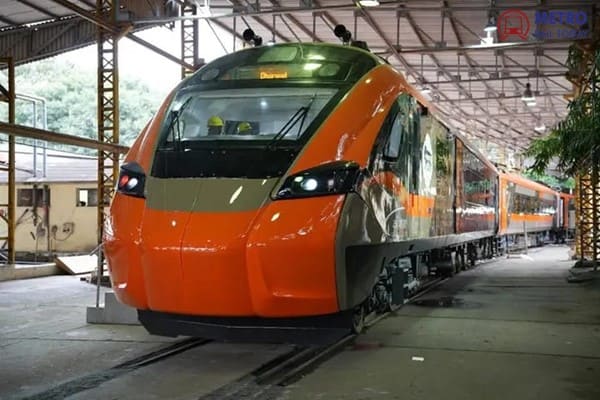
New Delhi, India (Metro Rail Today): Indian Railways has put a temporary hold on the rollout of its eagerly awaited Vande Bharat Sleeper train, signaling a delay in the entry of these premium long-distance rakes into commercial service. The prototype rake that was previously showcased and used in trial runs will not be inducted into operations, and passengers may need to wait longer for the final production models.
According to sources quoted in media reports, the initial Vande Bharat Sleeper rake, which was used for testing and showcased at various railway events, will not be deployed for regular passenger service. The decision comes amid ongoing refinements and feedback-based modifications required to align the sleeper trains with Indian Railways' evolving standards of safety, comfort, and operational efficiency.
Manufactured under the 'Make in India' initiative, the Vande Bharat Sleeper rake was designed to revolutionize overnight train travel with features such as modern interiors, noise insulation, and enhanced ride comfort. However, Indian Railways has now chosen to delay its induction to ensure that all technical and passenger-centric aspects are fully optimized.
The setback, while minor, reflects Railways’ cautious approach to maintaining quality and safety benchmarks before rolling out high-profile assets like the Vande Bharat Sleeper fleet.
Providing perspective on this development, Mrs. Mamta Shah, MD & CEO of Urban Infra Group, commented, “While the delay may disappoint eager travelers, it reflects a prudent, safety-first approach by Indian Railways. The Vande Bharat Sleeper is a next-generation product meant to transform long-distance travel in India, and getting the design and performance right from day one is more important than rushing into operations.”
The modern sleeper variant of Vande Bharat trains is expected to eventually replace or supplement existing Rajdhani and premium long-distance trains, offering a faster, more comfortable alternative for overnight journeys. The final version is expected to feature automatic doors, advanced suspension systems, bio-vacuum toilets, ambient lighting, and improved seating and berth configurations for maximum passenger convenience.
Although the Railways has not announced a specific revised timeline, insiders suggest that the wait may extend into mid or late 2025, depending on the progress of testing, manufacturing, and feedback integration.
Once deployed, Vande Bharat Sleepers are likely to operate on high-demand corridors such as Delhi–Mumbai, Delhi–Kolkata, and Bengaluru–Chennai, offering significant travel time reductions and boosting India’s semi-high-speed network.
While the current update means more patience for passengers, the delay underscores Indian Railways' broader commitment to quality assurance, Make in India excellence, and building a rail network that is truly future-ready.


MRT Online Desk
Metro Rail Today is an authentic and global news provider for the Rail & Metro industry from and around the world.