

Trending Now
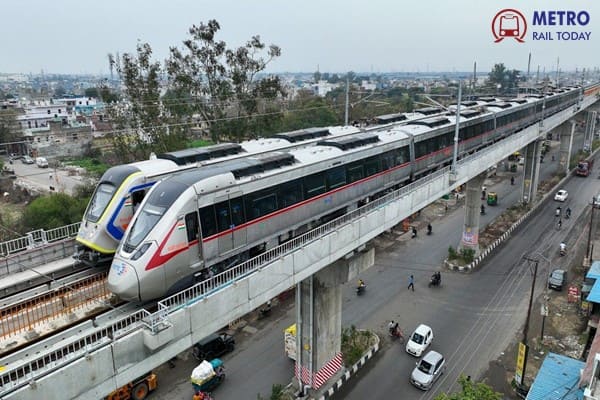
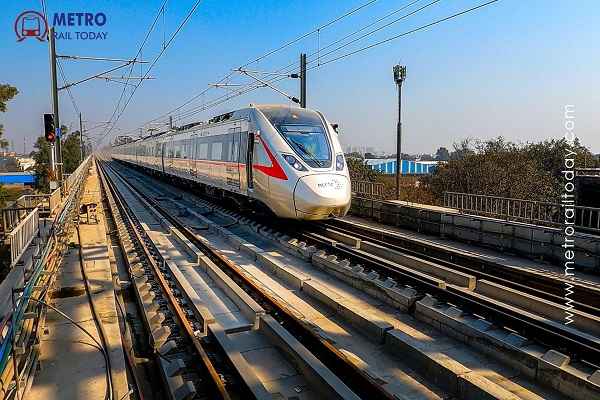 NCRTC begins groundwork for 136-km Delhi–Panipat–Karnal Namo Bharat RRTS Corridor
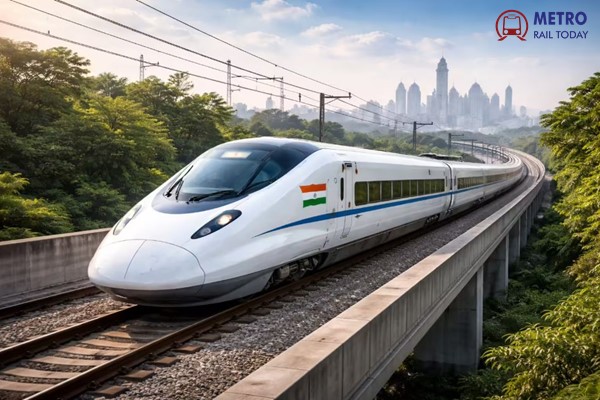 India targets March 2027 Rollout of First Indigenous Bullet Train 'Bharat B28’
 JICA approves ¥92.4 billion ODA Loan for Mumbai Metro Line 11
 CLW sets Global Benchmark with record 800 Electric Locomotives production in FY 2025–26
 NMRC invites Applications for Key Executive Positions for Noida Metro Rail Project
 Central Govt rejects revised DPR of 7.5 km Noida-Greater Noida Metro Rail Extension Project
 Revised DPR of Prayagraj Metro focuses on seamless Rail-Air connectivity
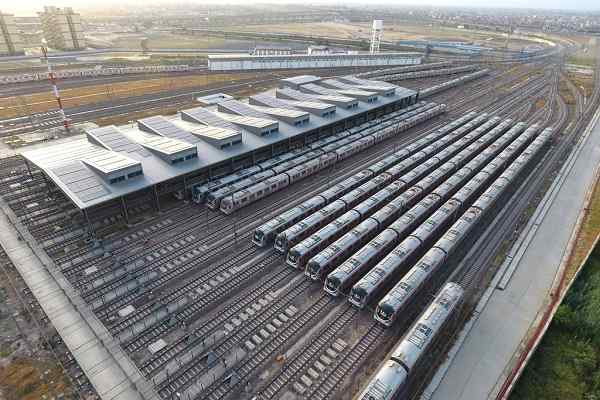 DMRC floats Tender for Central Vista Depot Design in Delhi Metro Phase V Expansion
- MMRDA seeks ₹14,100 Crore Loan for two upcoming Mumbai Metro Corridors
 Jupiter Wagons Eyes ₹20,000-Crore Mumbai Suburban Mega Rolling Stock Tender
Women to play a pivotal role in the Operations of Delhi - Meerut RAPIDX corridor
Surya Shah
Posted on: 2023-10-11 23:03:00
Viewer: 1,384
Comments: 0
Country: India
City: New Delhi
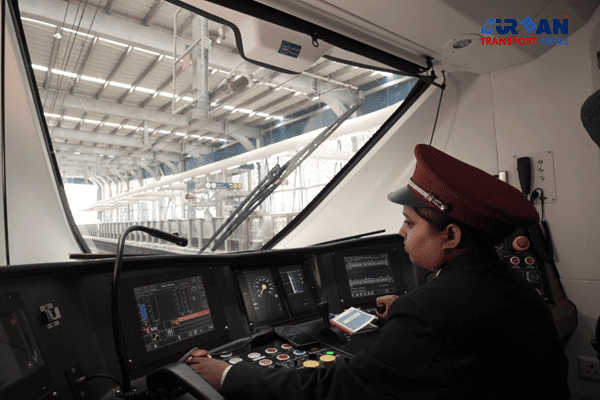 (Representative Image)
New Delhi, India (Metro Rail Today): The soon-to-be-commissioned 17 km primary section of the Delhi-Ghaziabad-Meerut RRTS corridor is set to make history, with women taking center stage in operating the modern, high-speed, high-frequency RAPIDX train services. In a groundbreaking move, the number of women employees participating in the operations of this section will surpass their male counterparts, effectively challenging traditional gender norms in the male-dominated transportation sector.
The National Capital Region Transport Corporation (NCRTC) has taken a purposeful step towards gender equality in the transportation sector. Historically perceived as male-dominated, this initiative not only marks advancements in technology but also symbolizes women's empowerment, reflecting the evolving face of modern India.
In the realm of operating RAPIDX trains in the primary section, women will hold the majority of key roles, including train operators, station control, management, operation and maintenance, operation control center, train attendants, and customer care. This multifaceted involvement underlines the commitment to promoting gender diversity in the transport sector.
To equip these operators with the skills and knowledge required for this modern urban transport system, an extensive three-month training program was initiated. The training encompassed classroom sessions, hands-on experience in driving trains, and controlling train speeds on simulators. Furthermore, they received training on the ETCS Level-2 signaling system, a cutting-edge technology implemented for the first time globally in the RRTS system, alongside training in rolling stock and train control systems. The prospect of operating RAPIDX trains at a speed of 160 km per hour is a thrilling endeavor for these pioneering female train operators.
Operating trains is a task that demands unwavering focus, patience, and a profound sense of responsibility. Over the last six months, the RRTS system has undergone rigorous testing under conditions mirroring its intended operations, with every aspect scrutinized meticulously. The women involved in this project have excelled in their performance throughout this rigorous process.
The participation of these women is not only a source of pride for them but also a matter of great honor for their families. The responsibility of ensuring the safe and successful journey of passengers is deeply felt, further underscoring the significance of their roles.
The commencement of operations in the primary section of the Delhi-Ghaziabad-Meerut RRTS corridor is imminent, following the completion of all necessary preparations. This section comprises five stations: Sahibabad, Ghaziabad, Guldhar, Duhai, and Duhai Depot. The RRTS's primary section is the first railway system in India to open for operations along its entire length, boasting a maximum operating speed of 160 kmph.
RAPIDX is poised to provide fast, safe, and comfortable regional transit services for commuters, greatly enhancing regional connectivity. The Delhi-Ghaziabad-Meerut RRTS corridor is set to unlock opportunities for employment, business, and education, promoting multi-centric and balanced development in the National Capital Region (NCR). Furthermore, this sustainable public transport mode is expected to significantly alleviate congestion and reduce air pollution.


Surya Shah
Surya Shah is a seasoned professional with a diverse skill set encompassing writing, digital content creation, communication skills and expertise in AI. He is graduated from UIT, RGPV, Bhopal in Electronic & Communication Engineering