

Trending Now
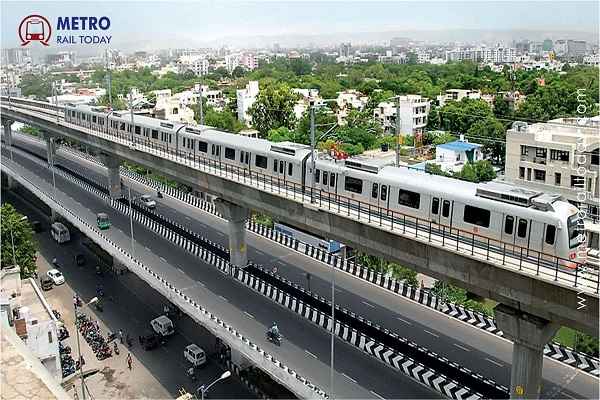 Alstom to deploy DTG Signalling System for Jaipur Metro’s 5.2-km Phase-1 Extension
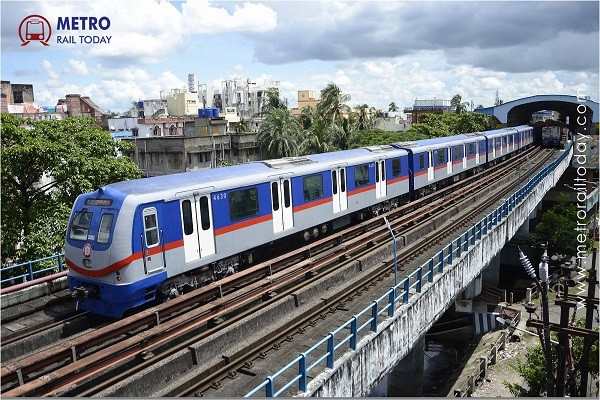 RVNL floats ₹297.45-crore Power Systems Tender for Kolkata Metro Purple Line
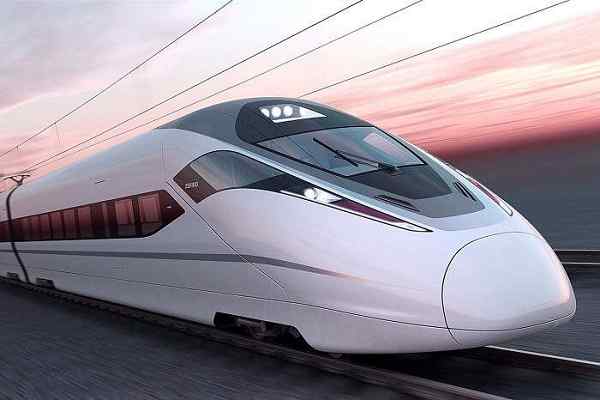 Siemens Mobility awarded $772 million Trainset Contract for California High-Speed Rail Project
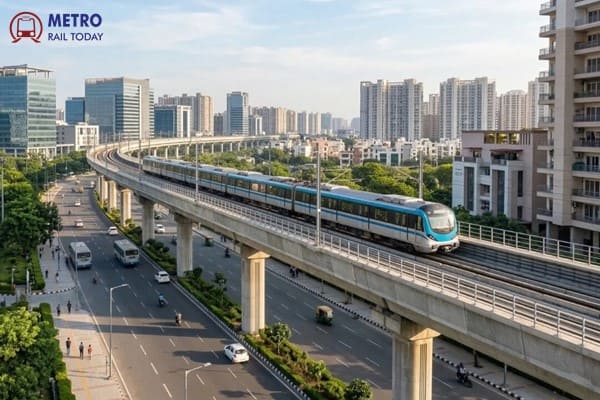 RITES submits fresh DPR to UPMRC for ₹12,000 crore Prayagraj Metro Rail Project
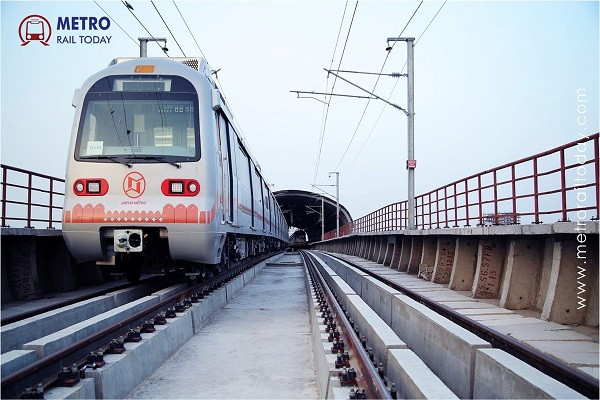 Paras Railtech wins ₹84.72 crore Ballastless Track Contract for Jaipur Metro Rail Project
 Indian Railways announces 3,548 Graduate-Level Vacancies under NTPC Recruitment 2026
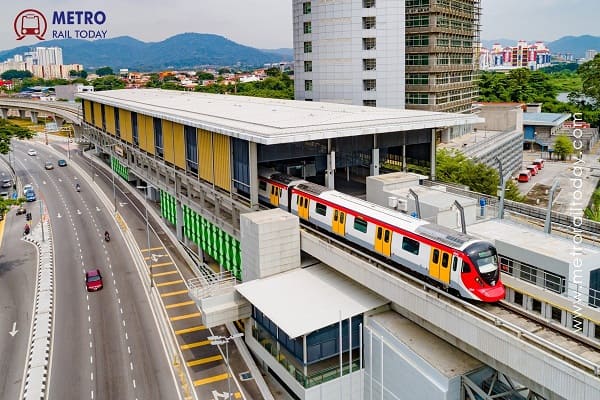 European Union sanctions €10 million to support extension of Hanoi Metro Line 3
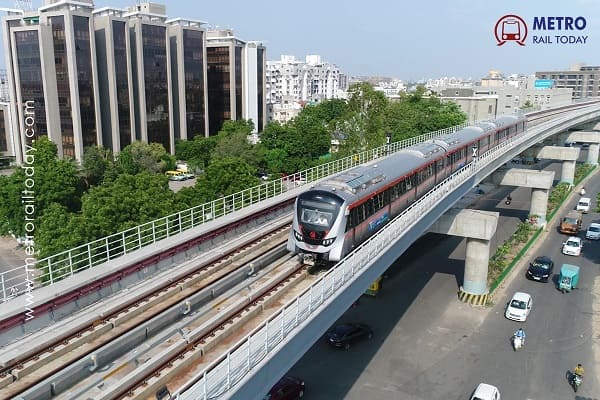 GMRC issues ₹683 crore Tender for construction of 8.68 km stretch for Ahmedabad Metro
- GMRC launches ₹439 crore Tender for construction of 5 New Ahmedabad Metro Stations
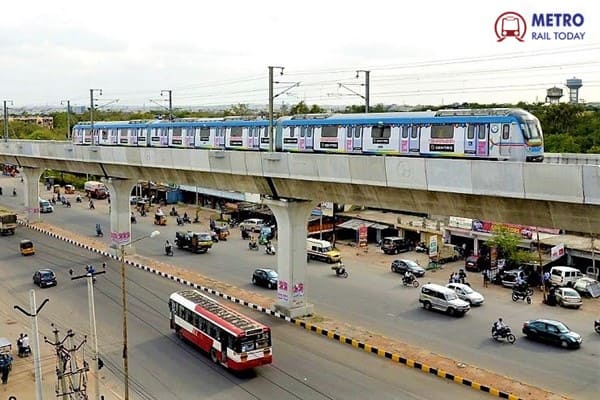 Global tender issued for procurement of 60 Rolling Stock coaches for Hyderabad Metro Rail Project
Why was IRSDC suddenly shut down after delivering India’s world-class railway stations?
MRT Online Desk
Posted on: 2025-11-28 15:30:00
Viewer: 22,870
Comments: 0
Country: India
City: New Delhi
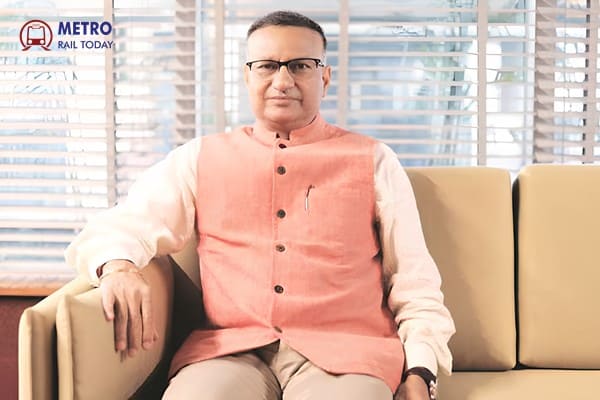
Here is the story of the rise and sudden fall of the organization that promised to change the face of Indian Railways, based on the conversation with Dr. Sanjeev Kumar Lohia.
In the vast, often slow-moving machinery of the Indian Railways, a small revolution briefly flourished, led by a man who chose the path less traveled. This is the story of the Indian Railway Station Development Corporation (IRSDC) and its former Managing Director, Dr. S.K. Lohia, who dared to reimagine railway stations not just as transit points, but as world-class destinations.
The Choice: Bureaucracy or Disruption?
The story begins with a choice. Dr. Lohia, a career bureaucrat, was offered a standard, prestigious path—to become a Divisional Railway Manager (DRM), the dream of every railway officer. Instead, he chose a risky, unproven assignment: to lead the IRSDC, a special purpose vehicle tasked with a seemingly impossible job—turning India’s dirty, crowded stations into "airport-like" hubs. He took the gamble, driven by a belief that Indian stations could pay for their own modernization without burdening the taxpayer.
The Two Jewels: Gandhinagar and Habibganj
Under his leadership, the abstract concept of "station redevelopment" turned into concrete reality with two masterpieces:
-
Habibganj (Rani Kamlapati Station): This became India's first public-private partnership (PPP) station. The "secret" here was not just the gleaming glass facade, but the business model. By bringing in a private partner (Bansal Group), the station wasn't just built; it was managed. The user experience—cleanliness, retail, flow—was prioritized, proving that passengers value service as much as speed.
-
Gandhinagar Capital: This was an engineering marvel. The "Raaz" (secret) of Gandhinagar was the audacity to build a 5-star hotel directly on top of active railway tracks—a feat of engineering that required isolating the hotel from the vibrations of heavy trains below. It was a project many thought impossible, yet it stands today as a testament to what focused execution can achieve.
The Sudden Silence: Why IRSDC Closed?
Just as the model was proven and ready to scale to 600+ stations, the axe fell. In October 2021, the government suddenly dissolved IRSDC. The official reason was "rationalization"—to merge overlapping departments (like RLDA) and simplify the structure.
However, Dr. Lohia hints at a deeper, more concerning "secret" behind this closure. The decision shifted the responsibility back to the Zonal Railways, moving away from the specialized "facility management" model IRSDC had cultivated. The fear was that the "soul" of the project was being discarded for the "body."
The Warning: "Big Rooms" vs. "Passenger Experience"
In a thought-provoking conclusion, Dr. Lohia offers a cautionary insight. He warns that while the government's new model (EPC - Engineering, Procurement, Construction) will successfully build massive structures ("Big Rooms"), it risks failing the passenger.
-
The "Hardware" vs. "Software" Problem: The Railways is excellent at building infrastructure (the hardware), but it lacks the DNA for Facility Management (the software). Without a private operator whose profit depends on passenger satisfaction, these new stations might revert to being poorly maintained structures.
-
He argues that unless we bring in operators to manage these assets like airports, we will have "grand buildings" where the toilets might still be dirty and the passenger flow chaotic. The "vested interest" of a private player to maximize revenue ensures efficiency—something a government department, focused on train operations, naturally lacks.
The Takeaway
The story of IRSDC is a bittersweet chapter in India's infrastructure journey. It proved that "World-Class" is possible in India. But its closure leaves a lingering question:
Can the government machine alone maintain the standards set by the private sector, or will our new stations eventually become just shinier versions of the old ones?
(Source: Based on the recent conversation between Dr. Sanjeev Kumar Lohia and News Nation)

MRT Online Desk
Metro Rail Today is an authentic and global news provider for the Rail & Metro industry from and around the world.