


Trending Now
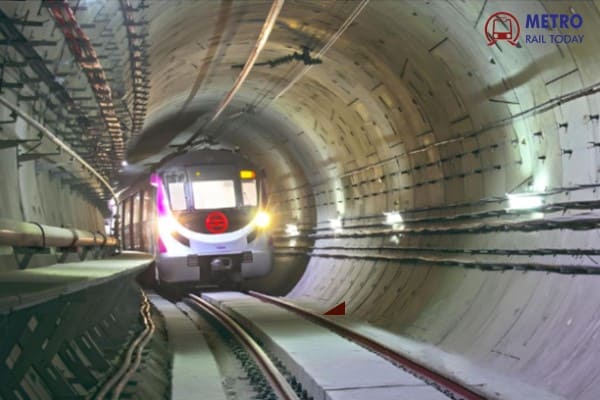 J. Kumar Infraprojects achieves TBM Breakthrough at Mahipalpur for Delhi Metro Phase IV
 DPR submitted for 671 km Hyderabad–Pune–Mumbai High-Speed Rail Corridor
 Former Railway Board Member Anil Kumar Khandelwal Joins Advisory Board of Rail Chamber
 Govt proposes 270-km Orbital Rail Corridor to transform Regional connectivity in Delhi-NCR
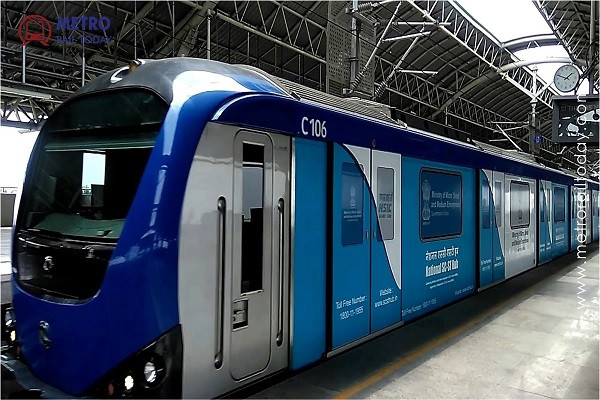 Tamil Nadu approves ₹9,335 Crore Chennai Airport–Kilambakkam Metro Corridor
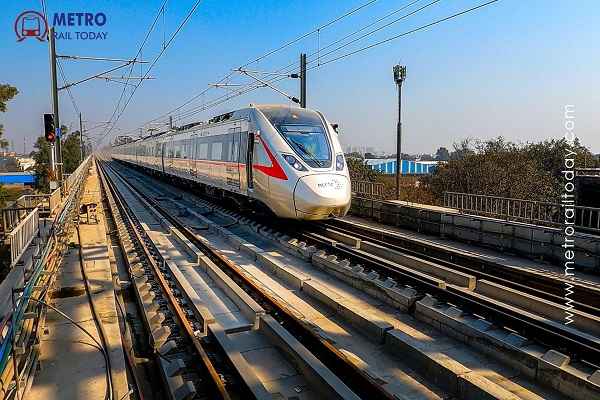 NCRTC to appoint General Consultant for Delhi–Panipat–Karnal Namo Bharat RRTS Corridor
- The Role of Train Systems in Sustainable Public Transportation
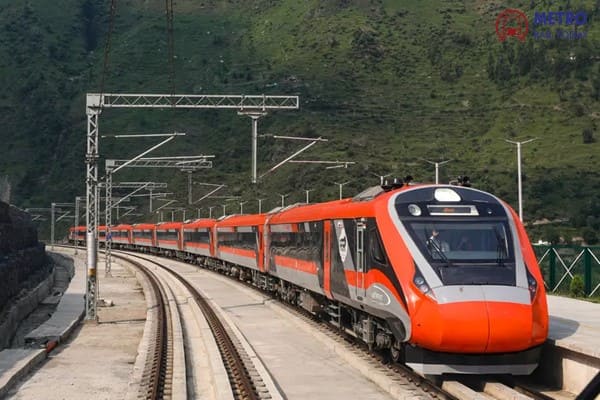 Govt of India approves ₹20,667 crore Ahmedabad - Dholera Semi High Speed Rail Corridor
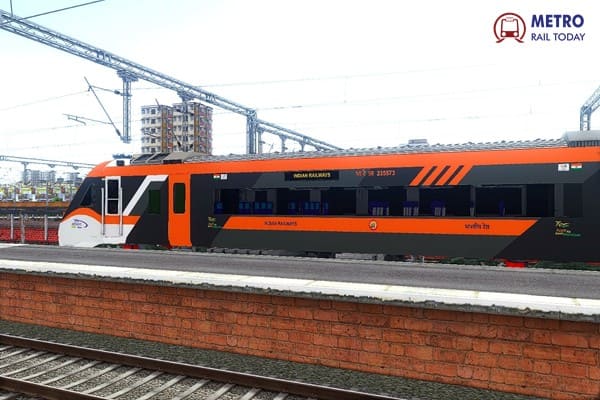 ICF signs ₹1,513 crore contract to supply Rolling Stock to Bengaluru Suburban Rail Project
 Siemens wins ₹91.65 crore Telecom Contract for Kochi Metro Phase 2 Pink Line
175-km of New Lines of Bangalore Metro Rail Network to be Operational by 2026
MRT Online Desk
Posted on: 2024-11-07 17:30:00
Viewer: 6,681
Comments: 0
Country: India
City: Bengaluru
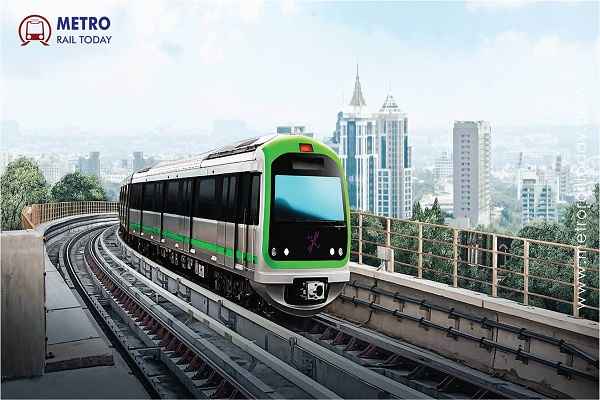
Bengaluru, India (Metro Rail Today): The Deputy Chief Minister of Karnataka, D.K. Shivakumar, has announced that Bengaluru will see a significant expansion of its metro network, with 175 kilometers of new metro lines expected to be operational by 2026. This ambitious expansion plan will drastically improve public transportation in the city, reducing traffic congestion and offering more sustainable commuting options for its residents.
Shivakumar made the announcement during a visit to the newly completed extension of the Green Line, from Nagasandra to Madavara on Tumkur Road, which will begin commercial operations on November 7, 2024. The newly added 3.14-kilometer stretch marks an important milestone in the city’s metro development, which is set to transform how commuters travel within Bengaluru.
Key Highlights of Bengaluru Metro Expansion
- 175 km of new metro lines to be operational by 2026.
- An additional 30 km of new lines to be added by 2025.
- The newly extended Green Line from Nagasandra to Madavara opens for revenue operations in November 2024.
- 73.81 km of Namma Metro currently operational, making it the second-longest metro network in India.
- 100 km of metro lines currently under construction, including the Yellow, Pink, and Blue lines.
- Orange Line (44.5 km) recently approved by the Centre, further extending the metro network to 222.2 km.
Namma Metro’s Current Status and Future Plans
Bengaluru's metro system, Namma Metro, currently operates over 73 kilometers of metro lines, with daily ridership exceeding eight lakh passengers. With the completion of ongoing projects and new approvals, the city's metro network will grow to a staggering 222.2 km by 2026.
The most recent addition to the network, the Green Line extension from Nagasandra to Madavara, has faced several delays, including a five-year delay beyond its original deadline. However, following clearance from the Commissioner of Metro Rail Safety (CMRS), this new stretch is now ready for commercial operations.
In addition to the Green Line, three major new metro lines are under construction:
- The Yellow Line (19.15 km) will connect RV Road to Bommasandra via Electronic City.
- The Pink Line (21.26 km) will run from Kalena Agrahara to Nagawara.
- The Blue Line (58.19 km) will extend across key parts of the city, including the Outer Ring Road (ORR).
These projects will not only expand the metro’s reach but also improve connectivity across the city, particularly in high-traffic areas like the IT corridor and residential zones. Additionally, the Orange Line (44.5 km), which has recently received approval from the Centre, will further enhance the metro’s coverage, taking the total network to 222.2 km.
Metro Infrastructure and Connectivity Improvements
Shivakumar also outlined several other infrastructure developments aimed at improving commuter convenience:
- A pedestrian skywalk will be built at Manjunathanagar Metro Station to enhance access and safety for pedestrians.
- Indian Railways and BMRCL have entered into an agreement to jointly develop a pedestrian passage at Yeshwanthpur Railway Station, facilitating smoother transit for passengers.
- The National Highways Authority of India (NHAI) is collaborating with BMRCL to construct an underpass at Chikkabidarakallu, with plans for another underpass at the Madavara metro station to ease traffic congestion.
These initiatives are part of a broader vision to integrate Bengaluru's metro network with other modes of transport, ensuring a seamless and hassle-free travel experience for all commuters.
Delays in Metro Project Timelines
While Bengaluru’s metro expansion is progressing, several projects have faced delays, often due to challenges related to land acquisition, shortage of rolling stock, and supply chain issues. Some key delays include:
- The Yellow Line (RV Road to Bommasandra via Electronic City), originally slated for completion by 2016, is now expected to be operational only by 2025. The project has been delayed due to a shortage of rolling stock, with Titagarh Rail Systems in West Bengal responsible for manufacturing the required coaches.
- The Pink Line (Kalena Agrahara to Nagawara), which was supposed to open earlier, has also been delayed due to issues with train set production, pushing its completion date to late 2026.
- The Outer Ring Road (Blue Line), connecting Central Silk Board Junction to KR Puram, was originally scheduled for completion by 2023-24, but the new deadline has been pushed to September 2026.
One of the most awaited lines, the Kempegowda International Airport (Airport Line), which is part of the Blue Line, is expected to open by June 2026. This line will connect the airport to the city center, offering much-needed connectivity for air travelers. However, the project has faced delays due to a fatal accident in January 2023, caused by the collapse of a metro pier, public opposition to night-time construction along the Outer Ring Road, and delays in the shifting of utilities.
Despite some setbacks, Bengaluru's metro network is poised for rapid expansion, which will significantly ease the city’s transportation woes. With 175 km of metro lines set to be operational by 2026, the city will see an integrated, efficient, and reliable public transport system that will serve millions of daily commuters. The future of Namma Metro looks promising, with major infrastructure projects and innovations aimed at enhancing mobility, safety, and convenience for all.
Key Project Milestones:
- 175 km of new metro lines operational by 2026.
- Green Line extension from Nagasandra to Madavara opens November 7, 2024.
- Yellow, Pink, Blue, and Orange Lines under construction.
- 222.2 km of total metro network by 2026.
- Pedestrian skywalks, underpasses, and improved connectivity planned.
As Bengaluru continues to grow, the metro system will play a pivotal role in making the city more livable, sustainable, and connected.


MRT Online Desk
Metro Rail Today is an authentic and global news provider for the Rail & Metro industry from and around the world.