


Trending Now
 GMRC to appoint General Engineering Consultants for Ahmedabad Metro Phase 2A, 2B & 3A
 Railway Ministry approves 220 kmph Next-Gen AI-enabled High Speed Trainsets for India
 GMRC issues first tender for Hybrid Metro–RRTS Corridors under Ahmedabad Metro Phase 3
 RITES delivers First Refurbished Metro Trainset to DMRC with advanced IP-Based Passenger System
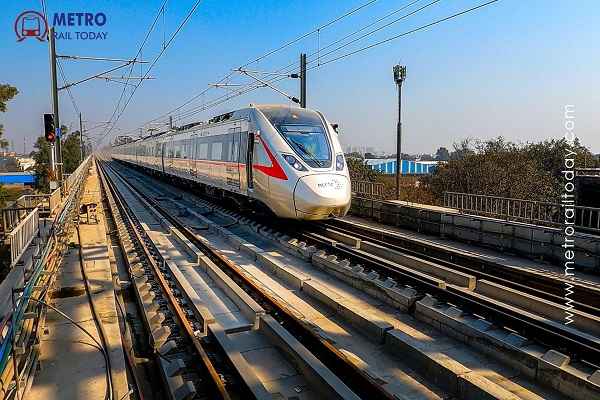 Uttarakhand Govt proposes extension of Delhi–Meerut RRTS Corridor to Haridwar and Rishikesh
- TBM assembly begins for India’s First Undersea Bullet Rail Tunnel in Mumbai
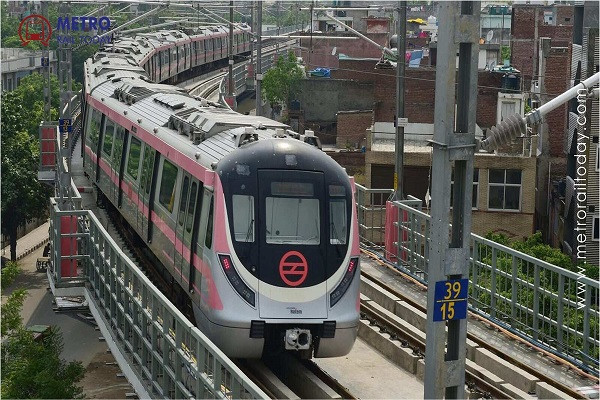 Tender issued for 90 Rolling Stock Cars for Magenta Line Extension under Delhi Metro Phase IV
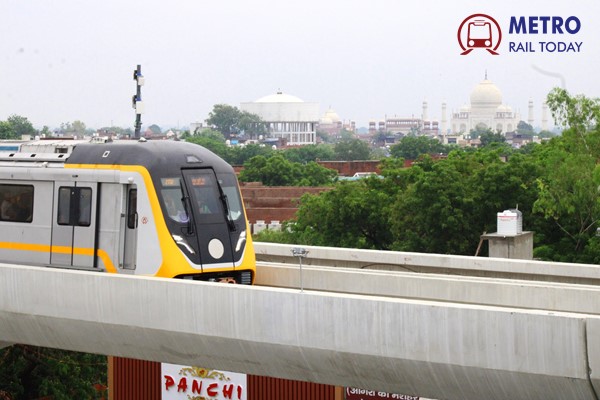 Agra Metro completes system trial run on 6-km Mankameshwar–ISBT Stretch
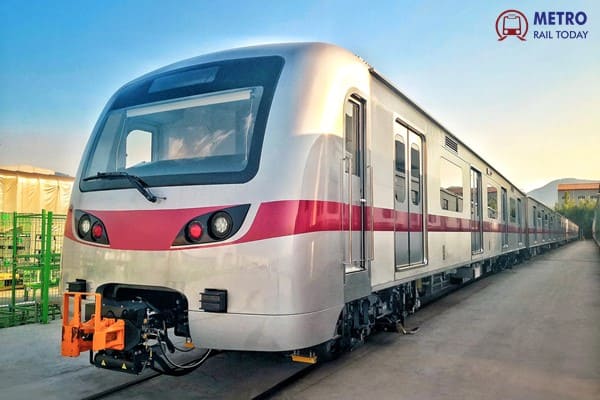 CRRC unveils Driverless CR151 Metro Train for Singapore’s Cross Island Line
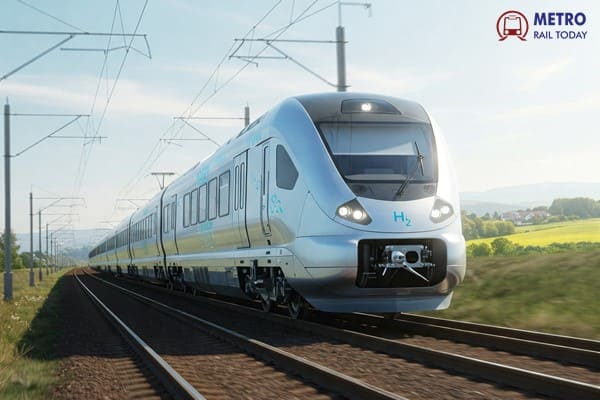 Alstom acquires Cummins Hydrogen Fuel Cell Unit to strengthen Hydrogen Train portfolio
Afcons records First NATM Tunnel Breakthrough for Mumbai–Ahmedabad Bullet Train Project
MRT Online Desk
Posted on: 2025-07-11 08:31:00
Viewer: 3,463
Comments: 0
Country: India
City: Mumbai
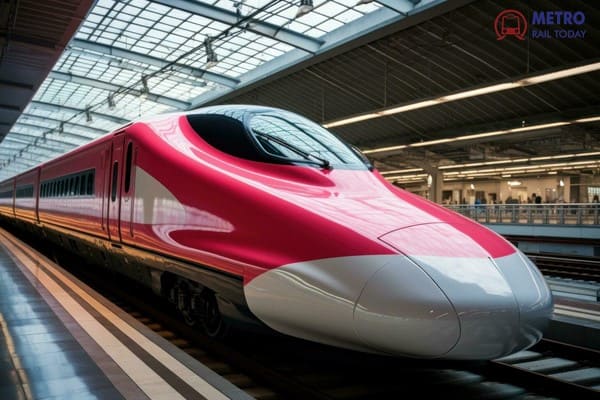
Mumbai, India (Metro Rail Today): In a major milestone for India’s first bullet train project, Afcons Infrastructure has successfully completed the first NATM tunnel breakthrough for the Mumbai–Ahmedabad High Speed Rail (MAHSR) corridor. This breakthrough marks significant progress on Package C-2, a 20.377 km underground stretch of the 508.17 km mega project.
The historic event took place adjacent to the Sawli Shaft in Ghansoli, Navi Mumbai, where a 1.62 km tunnel section was excavated using the New Austrian Tunneling Method (NATM). This specific segment connects the Additionally Driven Intermediate Tunnel (ADIT), completed in 2024, with the Sawli Shaft.
With this achievement, Afcons has now completed 4.32 km out of the 5 km NATM-mined section, showcasing the pace and engineering excellence behind the project. The NATM technique has been deployed due to the complex geological conditions in the Mumbai Metropolitan Region (MMR), especially between Bandra-Kurla Complex (BKC) and Shilphata, where Package C-2 is located.
Afcons was awarded the ₹6,397.27 crore contract for Package C-2 by the National High Speed Rail Corporation Ltd. (NHSRCL) in June 2023, with a deadline of 1,888 days (approx. 5.2 years). The company has also constructed three deep shafts at strategic locations—BKC Station (36m deep), Vikhroli (56m) and Sawli (39m)—to facilitate the complex tunneling work.
The broader tunneling plan for Package C-2 involves the deployment of three Herrenknecht mixshield Tunnel Boring Machines (TBMs), each with a diameter of 13.56 meters, to construct 16 km of twin tunnels. These TBMs were specially designed for the MAHSR’s demanding requirements. The first machine, S-1392, successfully passed its factory acceptance tests (FAT) in 2024 at Herrenknecht’s facility in China. However, it remains stranded due to export restrictions imposed by the Chinese government, which has also impacted similar projects like the Kanpur Metro Line-2.
India’s Railway Minister Ashwini Vaishnaw had earlier shared plans on social media for Herrenknecht to potentially manufacture larger TBMs domestically, a development that could resolve current bottlenecks and boost India’s tunneling capacity.
The Mumbai–Ahmedabad Bullet Train project is one of the most ambitious infrastructure undertakings in India, designed to cover 508.17 km through 12 stations and significantly cut travel time between the two financial hubs. Once operational, the trains are expected to run at speeds of up to 320 km/h, revolutionizing intercity travel in the country.
This NATM breakthrough in Ghansoli is more than just a technical achievement—it represents a symbol of momentum for a project that is poised to redefine India’s transportation future.

MRT Online Desk
Metro Rail Today is an authentic and global news provider for the Rail & Metro industry from and around the world.