


Trending Now
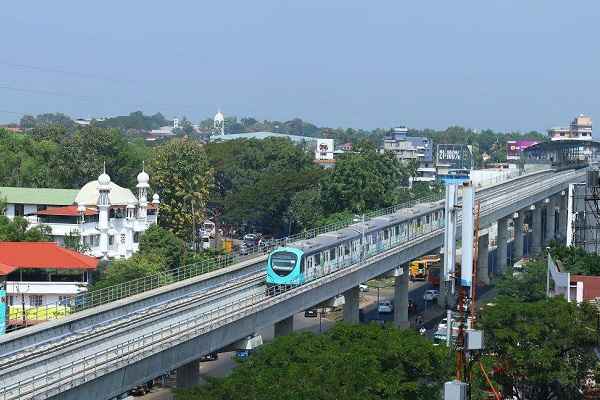 Siemens wins ₹91.65 crore Telecom Contract for Kochi Metro Phase 2 Pink Line
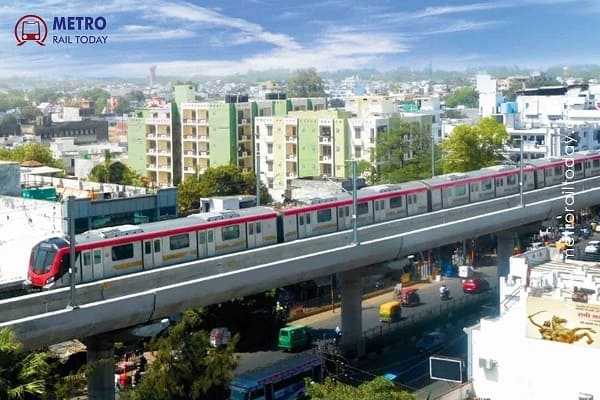 GHV Infra wins ₹150 crore Civil Contract for Vasantkunj Depot of Lucknow Metro East-West Corridor
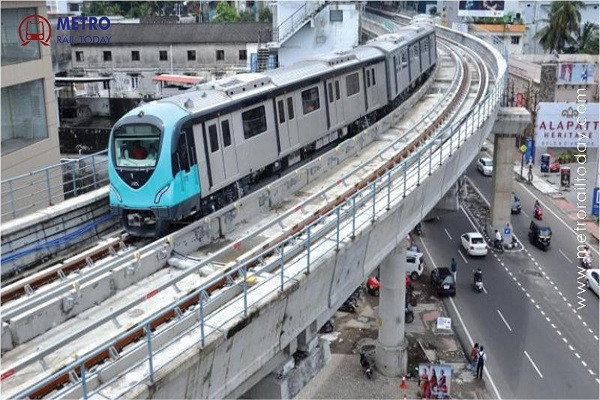 Texmaco Rail wins ₹130 crore Track Contract for Kochi Metro Phase 2 Pink Line
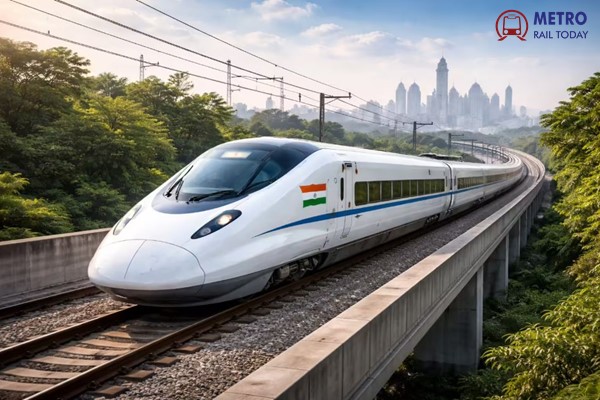 Indian Railways unveils Alignments and Routes of four new High Speed Bullet Train Corridors
 Telangana pushes for approval of ₹38,595 Crore Hyderabad Metro Phase-II Expansion
 Boston Consulting Group appointed to prepare 10 years Corporate Plan for Delhi Metro
 Exclusive Interview with Champak Panda, Managing Director, Rolling Stock & Components, Alstom India
 Delhi Metro invites Expression of Interests to manufacture Platform Screen Doors in India
 NMRC to appoint General Consultant for Noida-Greater Noida Aqua Line Metro Expansion
- NHSRCL launches Five Heavy Portal Beams on Mumbai-Ahmedabad Bullet Train Project
Bangalore’s 36.59 km Hebbal-Sarjaur Metro Line awaits Central Govt nod amid Double-Decker concerns
MRT Online Desk
Posted on: 2026-02-17 18:44:00
Viewer: 1,387
Comments: 0
Country: India
City: Bengaluru
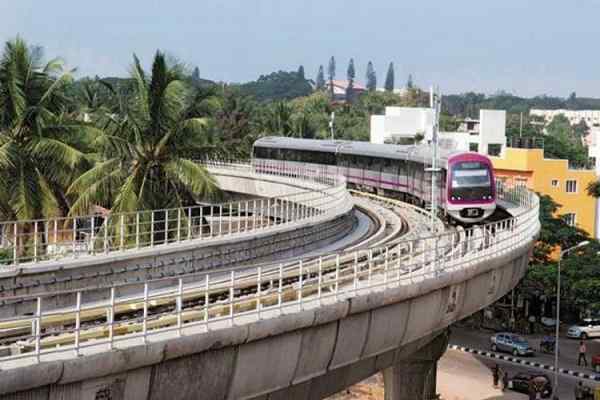
Bengaluru, India (Metro Rail Today): Bengaluru commuters continue to face prolonged travel times as the proposed 36.59 km Red Line under Phase 3A of Namma Metro awaits Union Cabinet approval. The corridor, which will connect Hebbal to Sarjapur, received clearance from the Karnataka government in December 2024 but is yet to secure final approval from the Centre.
The Red Line is planned with 28 stations, comprising 22.14 km of elevated section with 17 stations and 14.45 km of underground stretch with 11 stations. However, the proposal has reportedly come under technical scrutiny at the Centre over plans to construct a double-decker structure along the alignment.
According to sources, the Centre has asked Bengaluru Metro Rail Corporation Limited (BMRCL) to reconsider implementing a double-decker corridor across the full stretch. Concerns have been raised that combining elevated road infrastructure with the Metro alignment may undermine the primary objective of Metro projects, which is to reduce congestion and promote public transport usage.
Prof. Ashish Verma, Convenor of the Sustainable Transportation Lab at IISc, described the double-decker concept as counterproductive from a planning standpoint. He argued that adding parallel road capacity alongside Metro infrastructure could shift potential riders back to private vehicles, thereby weakening Metro ridership and long-term sustainability goals. In his view, a standalone Metro proposal may have progressed more swiftly through the approval process.
Independent mobility expert Satya Arikutharam echoed similar reservations, noting that the proposed Tunnel Road alignment runs parallel to the Red Line, which contradicts established principles of sustainable urban mobility. While limited double-decker structures at major junctions could help resolve traffic conflicts, constructing them across the entire corridor may dilute the effectiveness of the Metro system, he observed.
Both the Tunnel Road and the proposed double-decker facility are expected to operate as tolled infrastructure, potentially increasing commuting costs for users. Experts have cautioned that repeated design revisions and extended reviews ultimately delay access to affordable, high-capacity public transport for citizens.
A senior BMRCL official stated that the scrutiny, including cost clarifications and third-party consultations, is part of the standard approval process. The official added that the concerns flagged by the Centre are being addressed to facilitate progress on the project.
The Red Line is considered a crucial north–south connectivity spine for Bengaluru, linking key employment hubs and residential clusters. Its approval and timely execution are widely seen as essential to easing the city’s mounting traffic congestion and strengthening its mass transit network.


MRT Online Desk
Metro Rail Today is an authentic and global news provider for the Rail & Metro industry from and around the world.