


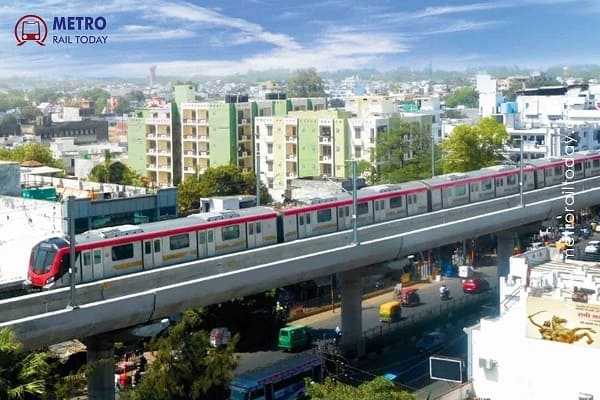
 Ranjit Buildcon Wins ₹383.98 Crore Civil Contract for Lucknow Metro Phase 1B
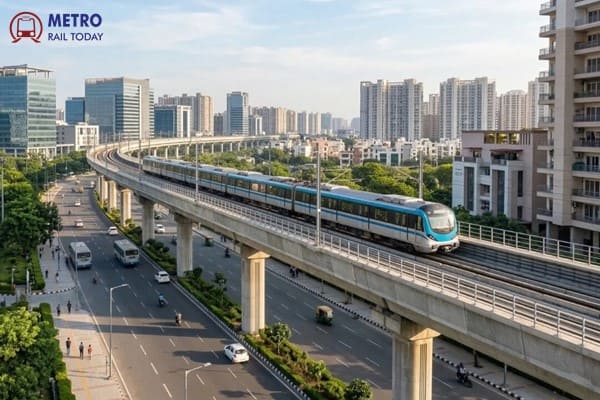 Tamil Nadu seeks Central Support for new Metro Rail Projects in Coimbatore, Hosur and Madurai
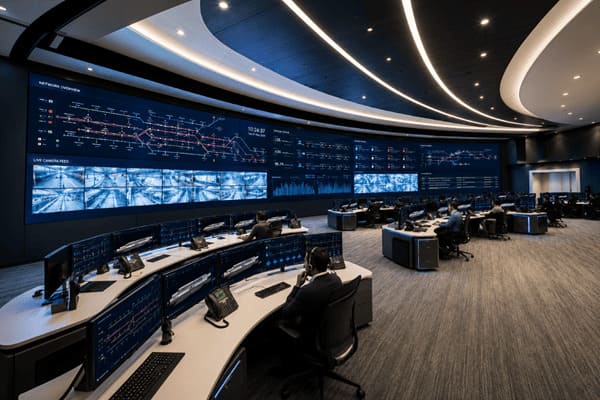 Future Metro Control Centres: ST Engineering Transforms Command Rooms to Intelligent Nerve Centres
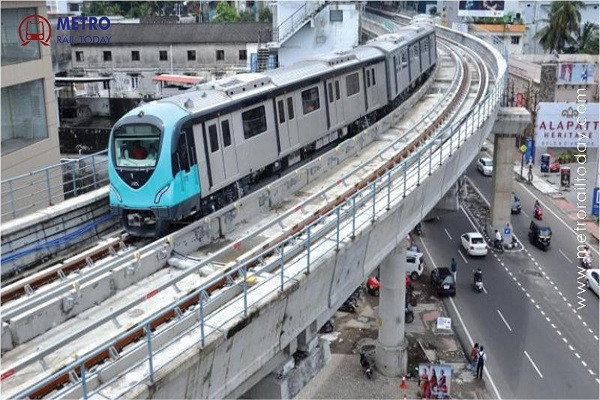 Kochi Metro unveils Visionary Design for Phase II Pink Line Metro Stations
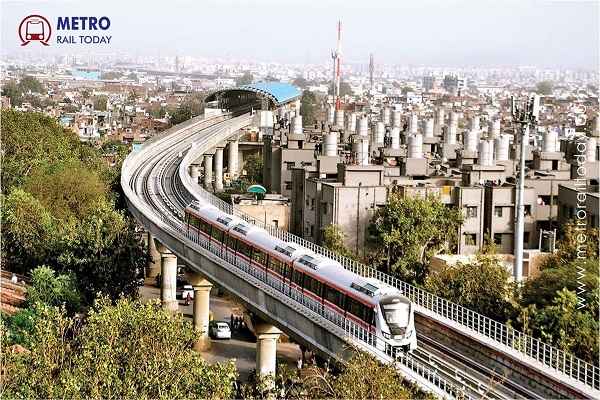 Design Consultancy Tenders floated for Ahmedabad Metro Phase 3 Elevated Corridors
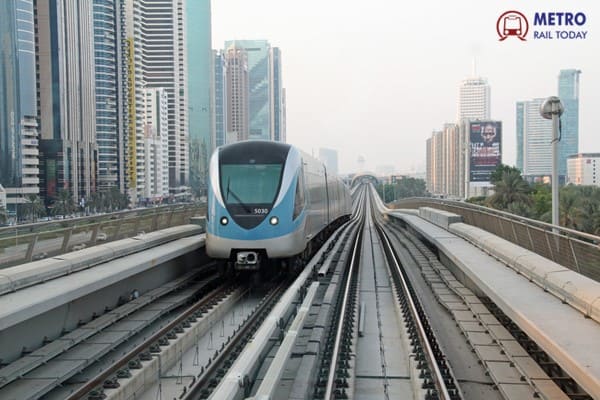 Global Metro Rail Infrastructure Market projected to reach US$ 78.3 billion by 2033
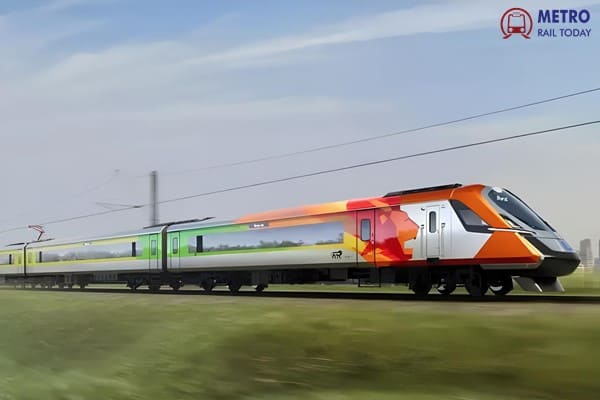 Kinet’s Vande Bharat Sleeper Concept wins prestigious Italian A’ Design Award
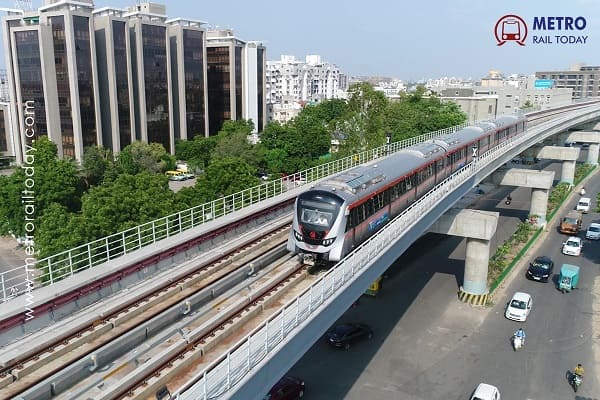 SYSTRA awarded Design Consultancy Contract for Ahmedabad Metro Phase 2 Extensions
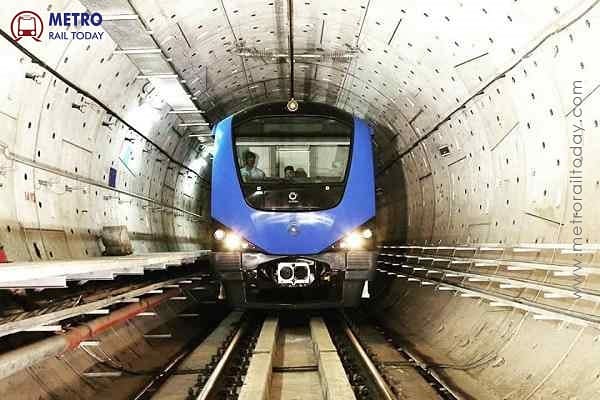 TBM Servarayan achieves Tunnel Breakthrough on Corridor 3 of Chennai Metro Phase 2
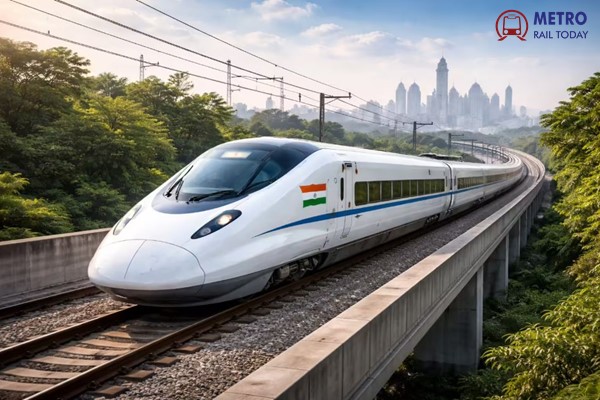 India targets 350 kmph Indigenous Bullet Train to accelerate High-Speed Rail ambitions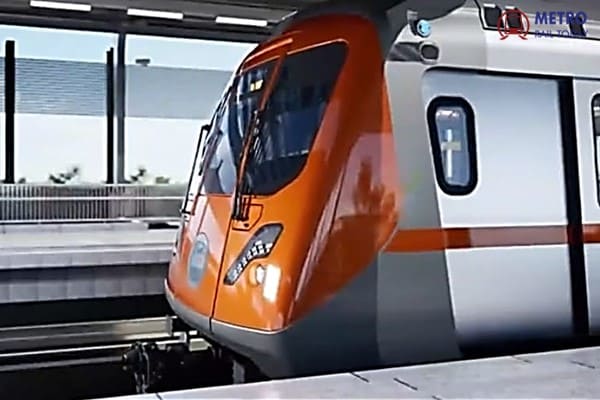
Bhopal, India (Metro Rail Today): The much-anticipated Bhopal Metro, envisioned as a game-changer for urban mobility in Madhya Pradesh’s capital, has run into early turbulence. Barely a month into commercial operations, the project’s Priority Corridor is facing a sharp mismatch between operating costs and passenger revenue, while political intervention has slowed progress on its next critical expansion.
Operational data from the first month paints a sobering picture. The metro costs around ₹8 lakh per day to operate, but daily ticket revenue averages just ₹39,152. With only 1,290 passengers per day using the eight operational stations, the system is recovering less than 5% of its running costs.
To stem losses, the Madhya Pradesh Metro Rail Corporation (MPMRCL) has already curtailed services. Just two weeks after launch, operating hours were cut—now running from 12 noon to 7:30 pm—and daily trips reduced from 17 to 13, leading to waiting times of over an hour between trains. Transport experts warn that reduced frequency risks further dampening ridership.
Even as the Orange Line struggles to gain traction, construction on the Blue Line (Bhadbhada–Ratnagiri Tiraha) has hit a political roadblock. During a Traffic Committee meeting, Bhopal MP Alok Sharma ordered an immediate halt to elevated construction between Bharat Mata Chauraha and Lily Talkies/Jahangirabad, insisting the stretch be built underground to avoid congestion in dense commercial areas.
Calling elevated structures in the city core disruptive, Sharma directed officials to reassess the alignment in the interest of long-term urban convenience.
Metro officials stress that the system is a public service, not a profit-driven venture. To narrow the deficit, MPMRCL plans to monetise assets through advertising on pillars, stations and inside coaches. Longer-term sustainability, they say, depends on network expansion—particularly extensions to Mandideep and Sehore, expected to bring in higher commuter volumes.
Commenting on the situation, Mrs. Mamta Shah, MD & CEO, Urban Infra Group, said: “Early-stage metro systems often face a ridership dip, especially when only a limited corridor is operational. The key lies in network continuity, frequency, and seamless last-mile integration. Bhopal Metro’s long-term success will depend on timely expansion, urban-sensitive design choices, and strong multimodal planning rather than short-term financial optics.”
For now, the Bhopal Metro finds itself in a wait-and-watch phase—balancing present-day financial strain and political recalibration against the promise of a more connected, sustainable urban future.