

Trending Now
 How Indigenous Engineering and Japanese Technology are transforming India's first Bullet Train?
 India's Metro Rail Network set to cross 2000-km mark soon, become second largest in World
 Alstom to deploy DTG Signalling System for Jaipur Metro’s 5.2-km Phase-1 Extension
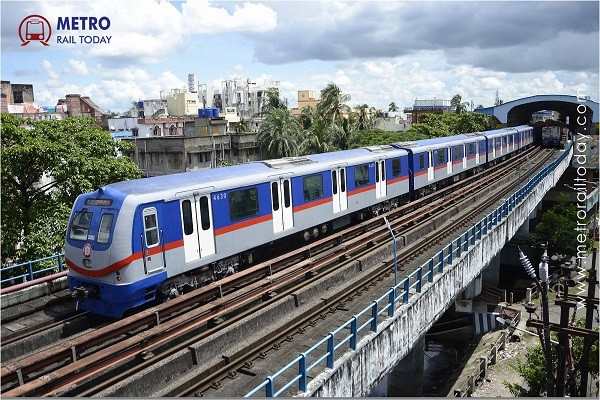 RVNL floats ₹297.45-crore Power Systems Tender for Kolkata Metro Purple Line
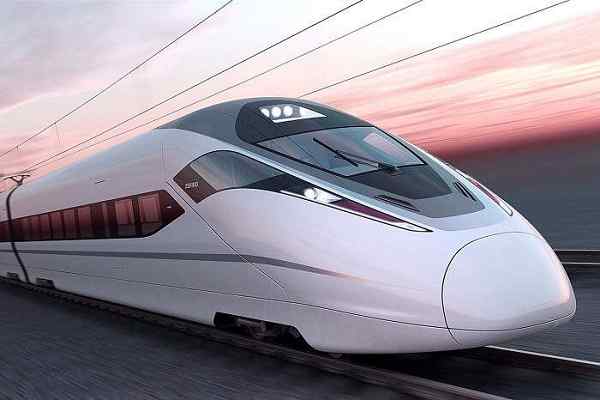 Siemens Mobility awarded $772 million Trainset Contract for California High-Speed Rail Project
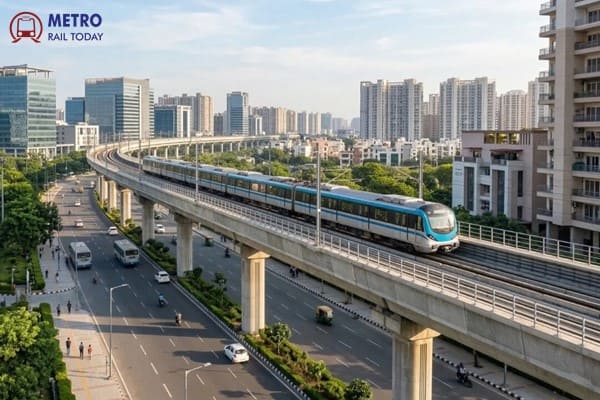 RITES submits fresh DPR to UPMRC for ₹12,000 crore Prayagraj Metro Rail Project
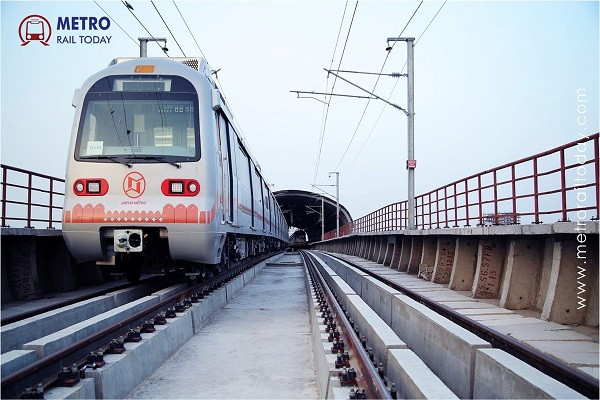 Paras Railtech wins ₹84.72 crore Ballastless Track Contract for Jaipur Metro Rail Project
 Indian Railways announces 3,548 Graduate-Level Vacancies under NTPC Recruitment 2026
 European Union sanctions €10 million to support extension of Hanoi Metro Line 3
 GMRC issues ₹683 crore Tender for construction of 8.68 km stretch for Ahmedabad Metro
Centre approves Kerala High-Speed Rail Corridor; ‘Metro Man’ Sreedharan to steer DPR, DMRC entrusted
The estimated project cost is ?1 lakh crore, with funding planned on the Konkan Railway model
MRT Online Desk
Posted on: 2026-01-23 16:35:00
Viewer: 6,795
Comments: 0
Country: India
City: Kochi
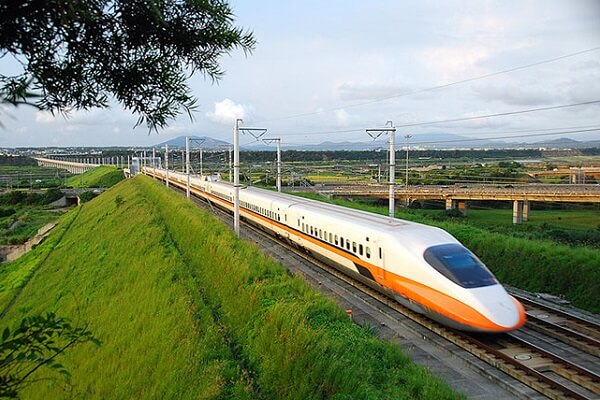
Kochi, India (Metro Rail Today): In a landmark development for Kerala’s transport landscape, the Central government has approved a new high-speed rail corridor in the state, with legendary rail technocrat E. Sreedharan set to lead the initial planning and conceptual framework. The Delhi Metro Rail Corporation (DMRC) has been entrusted with preparing the Detailed Project Report (DPR), which is expected to be completed within nine months.
The decision follows a crucial meeting between E. Sreedharan and Union Railway Minister Ashwini Vaishnaw in New Delhi on January 16, after Sreedharan earlier presented the proposal to Kerala Chief Minister Pinarayi Vijayan. The state government has since welcomed the move, terming it a significant step toward addressing Kerala’s long-standing mobility challenges.
Importantly, the newly approved corridor replaces the contentious SilverLine project, with Sreedharan emphasising that the new plan is fundamentally different in design, land requirement, and execution philosophy.
RRTS-Style High-Speed Corridor for Kerala
According to Sreedharan, the corridor will be modelled on Regional Rapid Transit Systems (RRTS) such as the Delhi–Meerut line, featuring lighter standard-gauge trains capable of top speeds of 200 km/h and a commercial speed of around 135 km/h. Stations will be spaced every 20–25 km, with trains operating at five-minute intervals, enabling faster, safer, and more reliable intercity travel.
Once operational, the corridor is expected to reduce road congestion and accident rates, an urgent need in a state that records one of the highest road accident figures in the country.
Nearly 70–75% of the corridor will be elevated, with select underground sections. Sreedharan noted that land acquisition will be far less challenging, requiring only about one-third of the land originally envisaged for SilverLine. Under the new policy, land beneath elevated viaducts can be returned to owners for agricultural or grazing use on lease.
The proposed alignment will broadly follow the existing railway corridor from Thiruvananthapuram to Kollam, before moving through new alignments up to Kannur.
-
Phase 1: Thiruvananthapuram – Kannur
-
Future extensions: Kasaragod, Mangaluru, and potentially Mumbai
The estimated project cost is ₹1 lakh crore, with funding planned on the Konkan Railway model, where the Centre will bear 51% and the State 49% of the cost.
Commenting on the development, Mrs. Mamta Shah, MD & CEO, Urban Infra Group, said: “The Centre’s approval of a high-speed rail corridor for Kerala under the leadership of E. Sreedharan is a game-changer. A regional rapid transit-style system with high speeds, minimal land acquisition, and phased expansion is exactly what a linear, densely populated state like Kerala needs. This project has the potential to redefine intercity mobility while balancing sustainability, social acceptance, and economic growth.”
With DMRC preparing the DPR and strong alignment between the Centre and the state, the project marks the beginning of a new, pragmatic high-speed rail vision for Kerala—one focused on efficiency, safety, and integration rather than controversy. If executed as planned, it could emerge as a model for regional high-speed rail corridors across India.


MRT Online Desk
Metro Rail Today is an authentic and global news provider for the Rail & Metro industry from and around the world.