

Trending Now
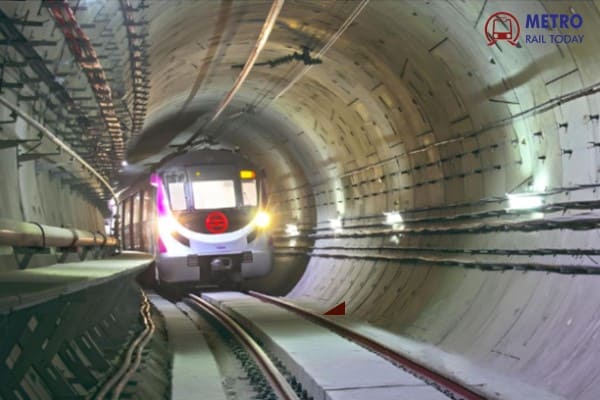 J. Kumar Infraprojects achieves TBM Breakthrough at Mahipalpur for Delhi Metro Phase IV
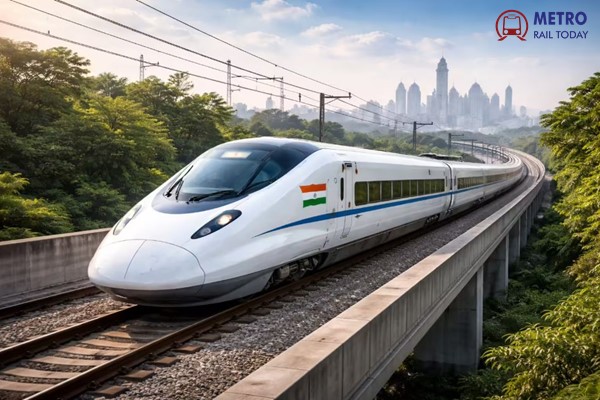 DPR submitted for 671 km Hyderabad–Pune–Mumbai High-Speed Rail Corridor
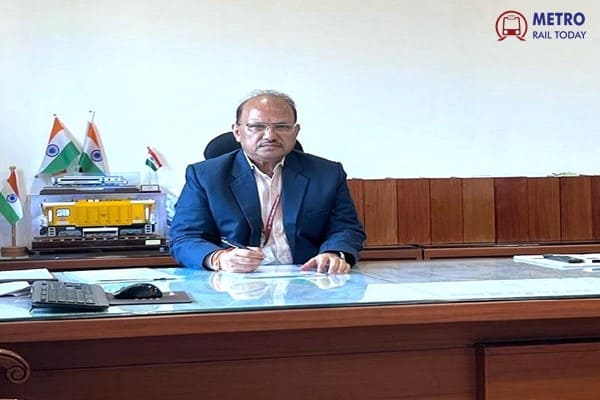 Former Railway Board Member Anil Kumar Khandelwal Joins Advisory Board of Rail Chamber
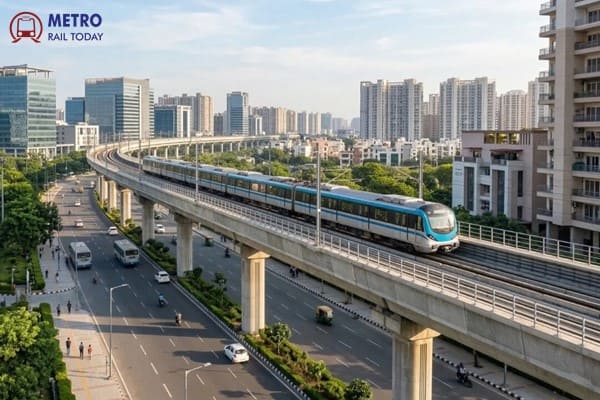 Govt proposes 270-km Orbital Rail Corridor to transform Regional connectivity in Delhi-NCR
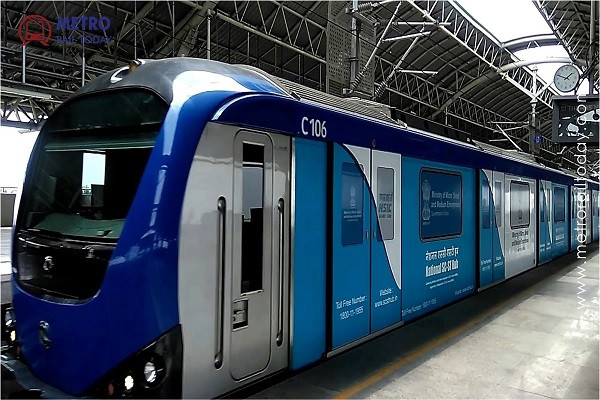 Tamil Nadu approves ₹9,335 Crore Chennai Airport–Kilambakkam Metro Corridor
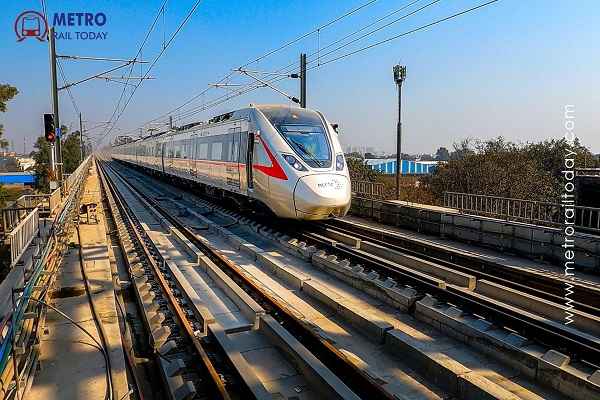 NCRTC to appoint General Consultant for Delhi–Panipat–Karnal Namo Bharat RRTS Corridor
- The Role of Train Systems in Sustainable Public Transportation
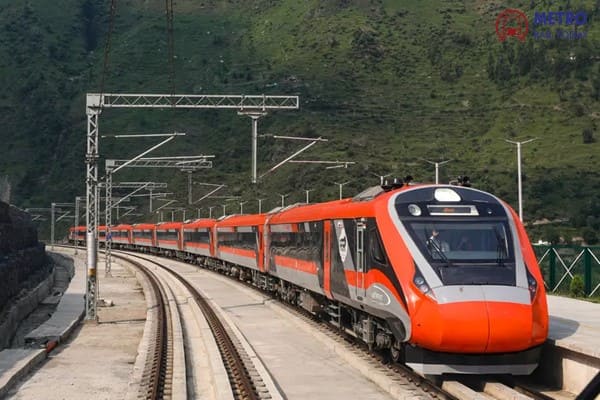 Govt of India approves ₹20,667 crore Ahmedabad - Dholera Semi High Speed Rail Corridor
 ICF signs ₹1,513 crore contract to supply Rolling Stock to Bengaluru Suburban Rail Project
 Siemens wins ₹91.65 crore Telecom Contract for Kochi Metro Phase 2 Pink Line
India Expands Metro Rail Network with Advanced Technology and Sustainability Measures
Dr. Vinod Shah
Posted on: 2025-02-11 06:30:00
Viewer: 7,272
Comments: 0
Country: India
City: New Delhi
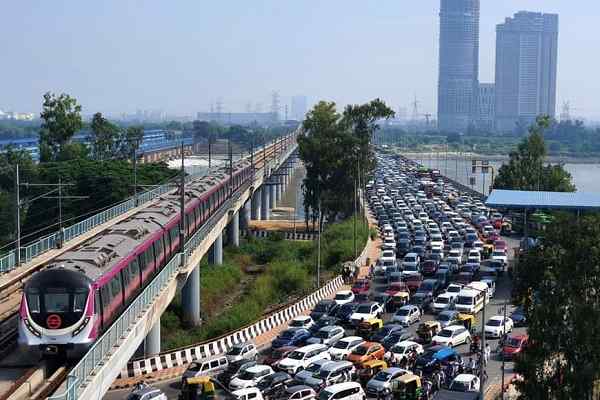
India's metro rail and rapid transit network continues to expand, with over 1,011 kilometers now operational across 23 cities. The government has introduced several technological innovations to enhance efficiency, safety, and sustainability in urban transit.
The introduction of cutting-edge technologies is transforming metro operations in the country:
- Namo Bharat Train: India’s first state-of-the-art high-speed train, with a design speed of 180 kmph and an operational speed of 160 kmph, is now running on the Delhi-Meerut RRTS corridor between New Ashok Nagar and Meerut South Depot.
- European Train Control System (ETCS): The world’s first hybrid Level-II/III radio-based signaling system on an LTE backbone has been implemented in Namo Bharat trains, enhancing passenger safety.
- Platform Screen Doors (PSD): Developed jointly by Bharat Electronics Limited (BEL) and NCRTC, these doors improve passenger safety and reduce accident risks.
- National Common Mobility Card (NCMC): Supporting the One Nation-One Card initiative, the NCMC enables seamless travel across all enabled public transport systems in India.
- QR-Based Ticketing: The introduction of mobile-based QR ticketing makes travel more efficient and contactless for metro commuters.
- Unmanned Train Operations (UTO): To enhance efficiency and service quality, UTO has been successfully deployed on several stretches of the Delhi Metro.
- Indigenous Automatic Train Supervision (i-ATS): India’s first homegrown Automatic Train Supervision System, jointly developed by DMRC and BEL, has been implemented on Delhi Metro’s Red Line.
The Indian metro rail sector is integrating sustainable energy solutions to reduce environmental impact.
- Solar Power Adoption: Metro rail operators have installed solar panels, significantly reducing CO₂ emissions and promoting the use of renewable energy.
- Regenerative Braking System: Many metro systems now incorporate regenerative braking technology, leading to energy savings and reutilization, making metro operations more sustainable and cost-effective.
Since urban transport is a state subject, metro project planning and integration fall under the jurisdiction of state governments. However, the Central Government provides financial and strategic support based on feasibility and available resources. Key policies guiding metro expansion include:
- Metro Rail Policy, 2017 – Provides a framework for state governments to plan and seek funding for metro projects.
- National Urban Transport Policy (NUTP), 2006 – Encourages sustainable urban mobility solutions.
- Transit-Oriented Development Policy, 2017 – Promotes integrated urban transport and last-mile connectivity.
The government is also emphasizing feeder systems, pedestrian pathways, and non-motorized transport (NMT) infrastructure to improve metro accessibility and ridership.
With a strong focus on technological advancements and sustainability, India's metro network is set to play a crucial role in shaping the future of urban mobility.


Dr. Vinod Shah
Dr. Vinod Shah is an experienced urban transport journalist, blogger and key opinion leader.