

Trending Now
 Alstom to deploy DTG Signalling System for Jaipur Metro’s 5.2-km Phase-1 Extension
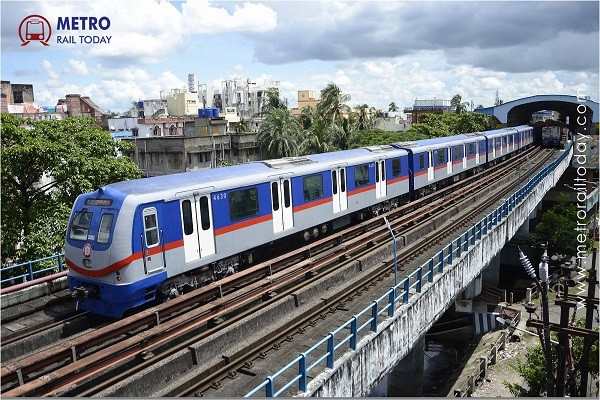 RVNL floats ₹297.45-crore Power Systems Tender for Kolkata Metro Purple Line
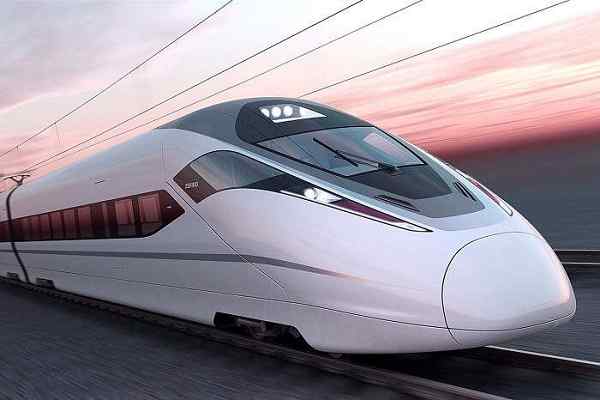 Siemens Mobility awarded $772 million Trainset Contract for California High-Speed Rail Project
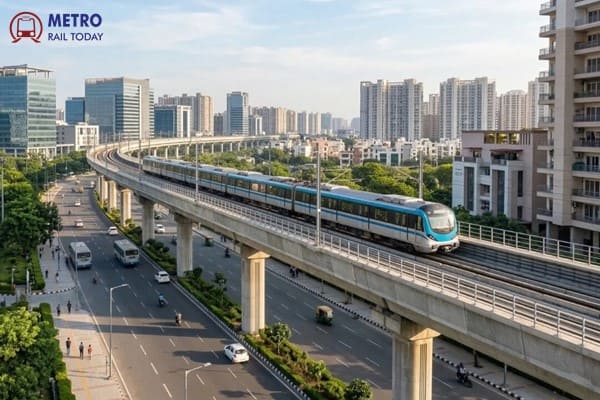 RITES submits fresh DPR to UPMRC for ₹12,000 crore Prayagraj Metro Rail Project
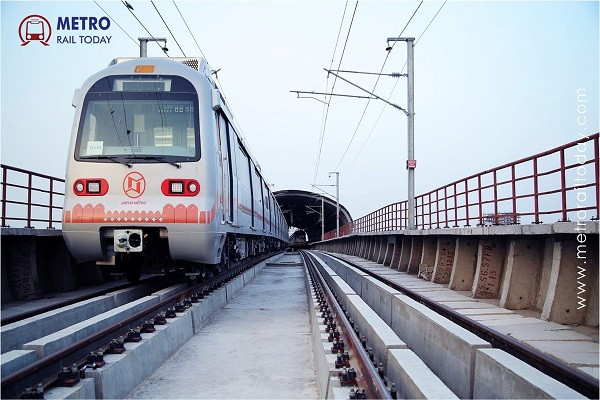 Paras Railtech wins ₹84.72 crore Ballastless Track Contract for Jaipur Metro Rail Project
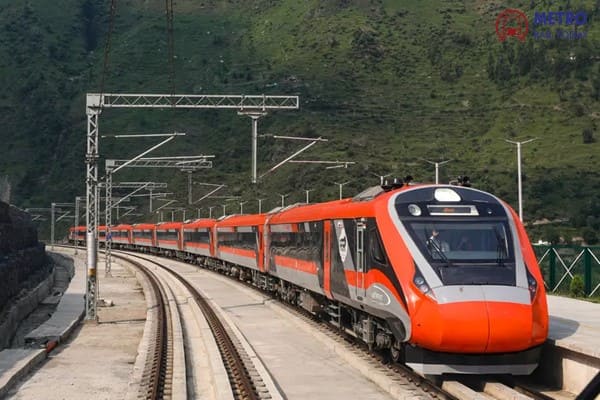 Indian Railways announces 3,548 Graduate-Level Vacancies under NTPC Recruitment 2026
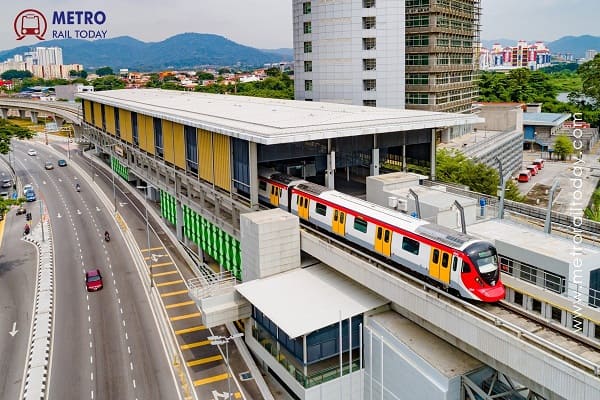 European Union sanctions €10 million to support extension of Hanoi Metro Line 3
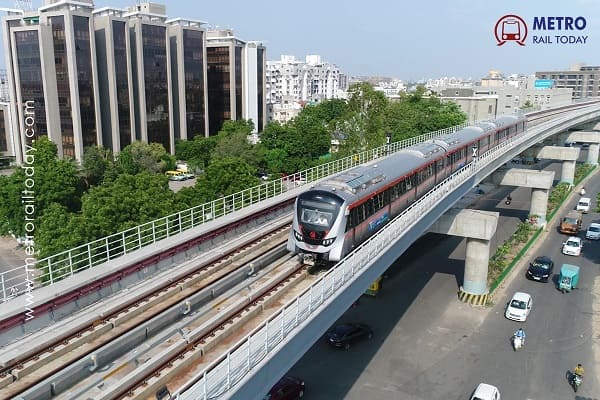 GMRC issues ₹683 crore Tender for construction of 8.68 km stretch for Ahmedabad Metro
- GMRC launches ₹439 crore Tender for construction of 5 New Ahmedabad Metro Stations
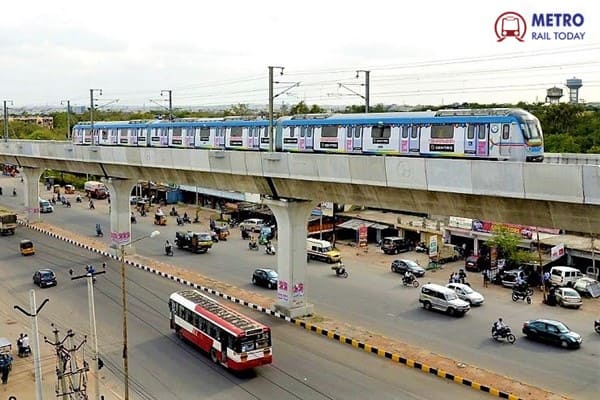 Global tender issued for procurement of 60 Rolling Stock coaches for Hyderabad Metro Rail Project
Indian Railways plans 12,000 HP Push-Pull Locomotives to modernise conventional trains
MRT Online Desk
Posted on: 2026-09-14 09:30:00
Viewer: 1,529
Comments: 0
Country: India
City: New Delhi
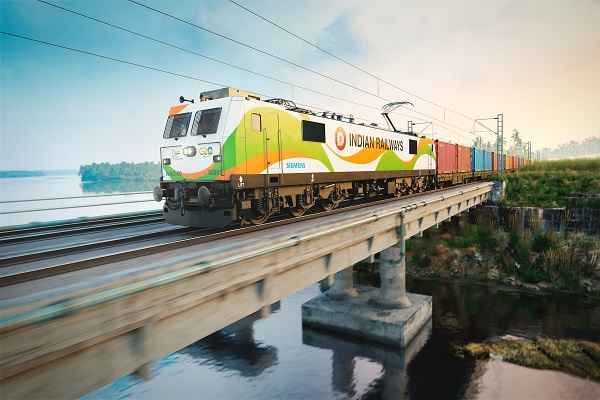
New Delhi, India (Rail & Metro Today): Indian Railways is planning to significantly modernise locomotive-hauled passenger services by scaling up the procurement of new-generation, energy- and noise-efficient locomotives. The proposed system will use pairs of 6,000-horsepower (HP) locomotives in a push-pull configuration, enabling conventional passenger trains to accelerate faster, operate more smoothly and potentially achieve speeds of up to 160 kmph on suitably upgraded routes.
The initiative is aimed at improving the performance of existing non-Vande Bharat passenger services while retaining the flexibility of conventional coach-based train operations. The locomotives are expected to be procured through supply and maintenance contracts involving private or public-sector technology partners.
12,000 HP Push-Pull Configuration
Under the proposed approach, one 6,000 HP locomotive would operate at each end of the train, providing a combined traction capacity of approximately 12,000 HP.
The push-pull configuration can improve acceleration and operational performance by distributing traction at both ends of the train. It can also reduce the need for locomotives to be detached or repositioned at terminal stations, potentially improving turnaround times.
The higher power output is expected to allow compatible conventional passenger trains to operate at speeds of up to 160 kmph, provided that the railway route, track, signalling and other infrastructure are suitably upgraded.
Existing conventional passenger locomotives generally operate within a horsepower range of around 5,000–6,000 HP, making the proposed paired-locomotive configuration a substantial increase in available traction power.
Eliminating Generator Cars
One of the important features of the proposed locomotives is their ability to provide the electrical power required for passenger amenities. This could eliminate the requirement for a separate power generator car attached to conventional passenger trains.
Generator cars have traditionally been used to supply electricity for systems such as coach lighting, fans and air-conditioning. Integrating the required electrical supply capability into modern locomotives could free up coach capacity while improving energy efficiency and reducing noise associated with conventional power-generation equipment.
The move is expected to extend some of the technological benefits associated with modern trainsets to locomotive-hauled services.
Modernising Non-Vande Bharat Trains
Unlike Vande Bharat trainsets, which use distributed traction equipment beneath multiple coaches, the proposed system would continue to use conventional passenger coaches hauled by locomotives.
This distinction provides Indian Railways with an alternative pathway for upgrading its large fleet of existing locomotive-hauled trains without immediately transitioning every service to a self-propelled trainset.
According to Mrs. Mamta Shah, MD & CEO, Urban Infra Group, locomotive modernisation can play an important role in improving passenger services across India's extensive conventional railway network.
“The proposed push-pull locomotive configuration is an interesting approach to modernising conventional passenger trains without losing the flexibility of locomotive-hauled operations. Higher traction power, improved acceleration and integrated hotel-load power can enhance passenger experience while making better use of existing coaches and railway assets. It also provides a practical bridge between conventional trains and next-generation trainsets.”
Potential for Faster Passenger Services
The ability to operate at speeds of up to 160 kmph on suitably upgraded routes could significantly improve journey times on selected railway corridors.
However, achieving such speeds will require more than powerful locomotives. Track geometry and condition, signalling and train protection systems, level crossings, overhead electrification, bridges and other infrastructure will need to meet the necessary safety and operational standards.
The initiative could therefore complement ongoing railway infrastructure upgrades, including track modernisation and the introduction of advanced signalling and train protection technologies.
Supply and Maintenance Partnerships
Indian Railways plans to procure the new locomotives through supply and maintenance contracts, potentially involving both private and public-sector technology partners. Such arrangements can provide access to specialised locomotive technology while establishing long-term maintenance and reliability responsibilities.
The approach could also support the development of domestic manufacturing and maintenance capabilities, particularly if technology partners collaborate with Indian suppliers and production facilities.
A New Generation for Conventional Rail
The proposed 6,000 HP locomotives represent an effort to bring modern traction technology to a segment of the railway network that continues to handle a substantial share of India's passenger traffic.
While Vande Bharat has established a new benchmark for trainset-based passenger mobility, locomotive-hauled trains remain essential to the Indian Railways network because of their operational flexibility and compatibility with a wide range of coaches and routes.
Deploying 12,000 HP push-pull configurations, combined with integrated passenger power supply and improved energy and noise performance, could provide a faster and more comfortable travel experience without requiring an immediate wholesale replacement of conventional trains.
The initiative highlights Indian Railways' broader strategy of pursuing multiple technology pathways to modernise passenger transportation. By combining new-generation locomotives with upgraded infrastructure and conventional coaches, the railway system could progressively deliver faster, quieter, more energy-efficient and passenger-friendly services across a much wider network.

MRT Online Desk
Metro Rail Today is an authentic and global news provider for the Rail & Metro industry from and around the world.