


Trending Now
 NHSRCL invites bids to standardise Civil Designs for India’s Future Bullet Train Corridors
 CMRL invites bids for preparation of DPRs for two new Chennai Metro Extension Corridors
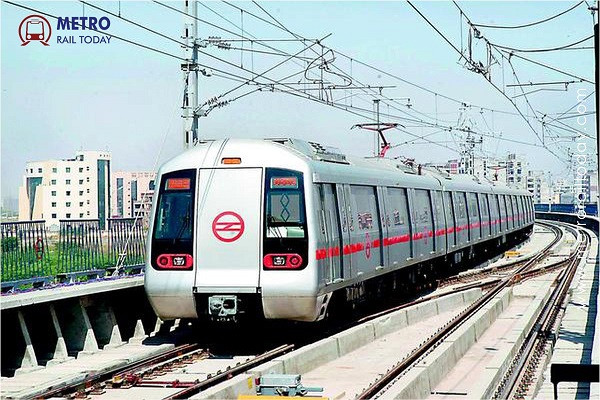 JICA debt on Delhi Metro Rail Corporation remains above ₹35,000 crore as of June 2026
 Jupiter Wagons partners with Lucchini RS and SIMEST to build India’s First Private Railwheel Plant
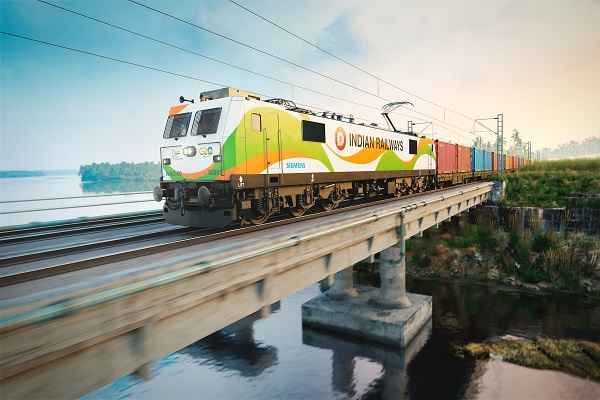 Indian Railways plans ₹1 Lakh crore East-West Dedicated Freight Corridor under PPP Model
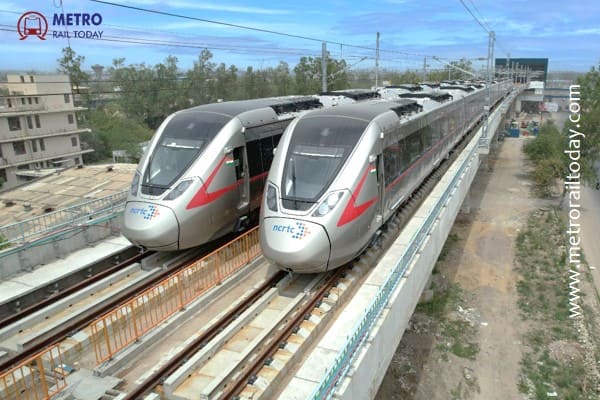 Delhi-Gurugram-Bawal Namo Bharat RRTS Corridor set for Behror Extension after PIB clearance
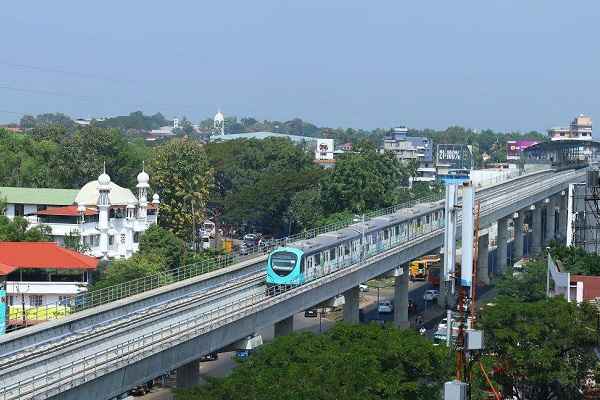 Thiruvananthapuram, Kozhikode Metro projects face uncertainty as Centre tightens population norm
- Indian Railways Plans Standard Design for Seven New High-Speed Bullet Train Corridors
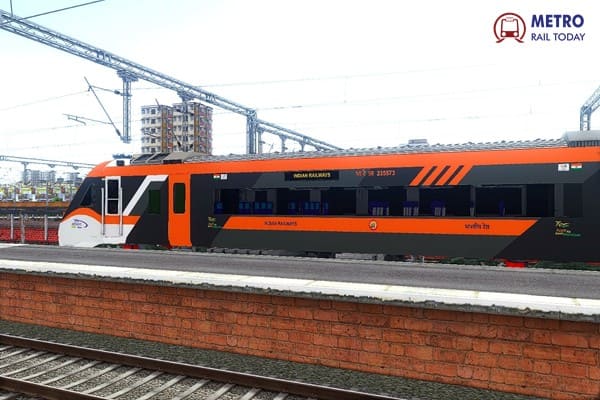 India’s First Vande Bharat Freight EMU hits 145 kmph in Technical Trials in Rajasthan
 Centre rejects Coimbatore and Madurai Metro proposals again, Suggests BRTS as an alternative mode
JICA debt on Delhi Metro Rail Corporation remains above ₹35,000 crore as of June 2026
MRT Online Desk
Posted on: 2026-08-03 11:25:00
Viewer: 97
Comments: 0
Country: India
City: New Delhi
New Delhi, India (Rail & Metro Today): The Delhi Metro Rail Corporation (DMRC) had an outstanding principal loan of ₹35,828 crore from the Japan International Cooperation Agency (JICA) as of June 2026, the Union Government informed the Rajya Sabha.
The government also stated that DMRC has repaid ₹9,948.09 crore to JICA from its operational revenues over the years, highlighting the corporation’s ongoing efforts to meet its long-term financial obligations while maintaining affordable fares for millions of commuters.
Union Minister of State for Housing and Urban Affairs Tokhan Sahu provided the details in a written reply to a question in the Rajya Sabha.
DMRC’s JICA Debt Remains Above ₹35,000 Crore
JICA has been a major source of long-term financing for the expansion of the Delhi Metro network across several phases.
According to the government, the outstanding principal amount payable by DMRC to JICA stood at ₹35,828 crore in June 2026, calculated at the prevailing exchange rate.
The government said that the sanction orders for various Delhi Metro projects incorporate provisions for repayment of the loans, ensuring that debt servicing forms part of the overall financial planning of the projects.
JICA financing has played a significant role in supporting the construction and expansion of Delhi Metro infrastructure, including major underground and elevated corridors developed over successive phases.
Centre and Delhi Government Provide Continued Support
The Union Government also provided details of financial assistance extended to DMRC during the last five years.
The Central Government released ₹6,604.37 crore, while the Delhi Government provided ₹6,155.44 crore during the period.
The financial support includes various forms of assistance such as equity, grants and subordinate debt for implementation of different phases and expansion projects of the Delhi Metro network.
The continued financial support from both governments remains an important component of DMRC's project financing structure, particularly as the corporation undertakes large-scale network expansion under ongoing and upcoming phases.
DMRC Repays ₹9,948 Crore from Operational Revenue
Despite its substantial outstanding JICA debt, DMRC has been using its operational revenues to meet loan repayment obligations.
According to the Union Government, DMRC has repaid approximately ₹9,948.09 crore to JICA from its operational revenue over the years.
The corporation is also working to strengthen its financial position by increasing revenue from sources other than passenger fares.
DMRC has been expanding its non-fare revenue streams, including advertising, property development, commercial exploitation of its assets and other commercial activities.
The strategy is aimed at improving financial sustainability while helping the corporation keep Metro fares affordable for commuters.
Non-Fare Revenue Gains Importance
For a large urban transport system such as Delhi Metro, non-fare revenue has become an increasingly important component of financial management.
DMRC has significant commercial assets across its network, including station spaces, advertising opportunities, retail areas and property development potential.
Increasing income from these sources can provide additional funds for operations, debt servicing and future investments without placing excessive pressure on passenger fares.
The government's response indicates that DMRC is continuing to pursue this approach as it manages its long-term JICA obligations.
Metro Fare Revision Governed by Law
The Union Government also clarified the legal framework governing Delhi Metro fares.
Minister Tokhan Sahu said that Metro fare fixation is undertaken in accordance with the provisions of the Metro Railways (Operation and Maintenance) Act, 2002.
The government further stated that affordability for commuters is an important consideration while determining fare revisions.
The approach seeks to balance the financial requirements of Metro operations with the need to provide affordable and accessible public transport to Delhi-NCR residents.
Delhi Metro’s Expanding Financial Responsibilities
The latest figures highlight the scale of DMRC's financial commitments as the organisation continues to expand one of India's largest urban rail networks.
With substantial JICA financing supporting multiple phases of Delhi Metro's development, debt servicing remains an important component of the corporation's long-term financial planning.
At the same time, continued government assistance, operational revenue and growing non-fare income are helping DMRC manage its financial obligations.
As Delhi Metro expands through Phase IV and future network development, maintaining a sustainable balance between infrastructure investment, debt repayment, operational expenditure and commuter affordability will remain critical to the corporation's financial strategy.


MRT Online Desk
Metro Rail Today is an authentic and global news provider for the Rail & Metro industry from and around the world.