


Trending Now
 MMRDA invites bids for ₹4,882 Crore Rolling Stock & Systems Contract for Mumbai Metro Line 12
 Kolkata Metro completes Aluminium Third Rail Upgrade on Blue Line
 Metroman E. Sreedharan submits new Blueprint for ₹54,000 Crore Kerala High Speed Rail Corridor
 Union Housing & Urban Affairs Minister Tokhan Sahu to inaugurate 6th RailTrans Expo 2026
 Maha Metro plans Six-Coach Trains ahead of Pune Metro Line 3 Launch
 Railway Ministry approves launch of India’s First Hydrogen-Powered Train on Jind–Sonipat Route
 Kineco Global Rail secures Interior Contract for new 100 Vande Bharat Sleeper Trains
 Ranjit Buildcon Wins ₹383.98 Crore Civil Contract for Lucknow Metro Phase 1B
 Tamil Nadu seeks Central Support for new Metro Rail Projects in Coimbatore, Hosur and Madurai
 Future Metro Control Centres: ST Engineering Transforms Command Rooms to Intelligent Nerve Centres
Mumbai Bullet Train Station reaches milestone with First Concrete Slab Cast
MRT Online Desk
Posted on: 2024-12-04 08:00:00
Viewer: 1,602
Comments: 0
Country: India
City: Mumbai
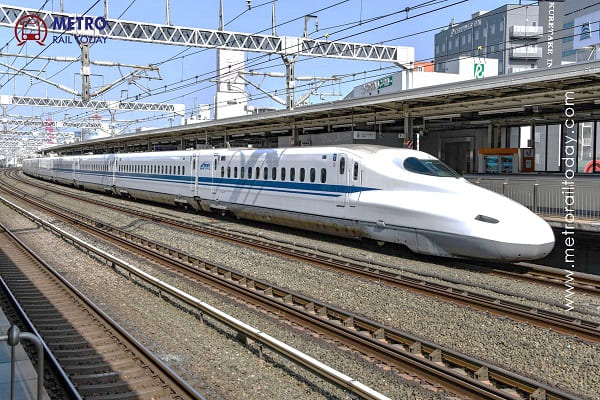
Mumbai, India (Metro Rail Today): The construction of the Mumbai Bullet Train station took a significant step forward with the successful casting of the first concrete base slab on November 30, 2024. Located at the Bandra Kurla Complex (BKC), Maharashtra, this milestone is a major achievement for the Mumbai-Ahmedabad High-Speed Rail (HSR) corridor project.
The concrete slab, positioned at a depth of 32 meters (approximately 10 stories underground), marks the beginning of a complex underground construction process. The Mumbai Bullet Train station is being built using the "bottom-up" method, which means excavation started from ground level, and the first concrete work was laid from the foundation.
Key Details of the First Concrete Slab
The first of 69 concrete slabs to be cast for the station, this base slab is 3.5 meters deep, 30 meters in length, and 20 meters in width. It is a critical part of the station’s foundation, which will eventually support the entire structure.
Here are some interesting facts about the slab:
- Reinforcement: 681 metric tons of high-grade steel
- Rebar Couplers: 6200 used to reinforce the concrete
- Concrete Volume: 2254 cubic meters of M60 grade concrete
- Aggregates: 4283 metric tons
To ensure the highest quality construction, the concrete was poured under strict temperature control. In-situ ice and chiller plants kept the pouring temperature below 25°C to avoid any complications in the curing process. Furthermore, comprehensive waterproofing measures were implemented before casting the slab to protect the structure from future water infiltration.
A Glimpse of Mumbai’s Future Bullet Train Station
The Mumbai Bullet Train station is the only underground station along the Mumbai-Ahmedabad HSR corridor. Set to be a key hub for the bullet train, the station will be located at a depth of approximately 24 meters from ground level, with a three-floor structure that includes the platform, concourse, and service floors. The station’s deep underground location is part of the plan to minimize disruption to surface-level activities, especially in the bustling Bandra Kurla Complex area.
Once completed, the station will feature six platforms, each approximately 415 meters long, capable of accommodating a 16-coach bullet train. The station is designed with connectivity in mind, offering seamless access to nearby metro lines, including Line 2B, and road transport networks.
Passenger Convenience and Sustainability Features
To ensure smooth passenger movement and comfort, the station’s design incorporates ample space at the concourse and platform levels, as well as modern amenities. Additionally, the station will feature dedicated skylights to allow for natural lighting, enhancing the overall passenger experience and reducing energy consumption during the day.
With its strategic location and state-of-the-art facilities, the Mumbai Bullet Train station is set to become a central transportation hub in the city, supporting India’s growing ambition for high-speed rail connectivity. The project, once completed, will significantly reduce travel time between Mumbai and Ahmedabad, revolutionizing travel and trade between these two major economic centers.
Looking Ahead
As work progresses, the next steps will focus on casting the remaining 68 slabs that will form the foundation for the entire station. With the groundbreaking construction methods and engineering marvels involved, the Mumbai Bullet Train station is shaping up to be a key component of India’s ambitious high-speed rail network, positioning the country as a leader in modern transportation infrastructure.


MRT Online Desk
Metro Rail Today is an authentic and global news provider for the Rail & Metro industry from and around the world.