

Trending Now
 VinSpeed and Siemens sign €1 billion Turnkey Contract for Two High-Speed Rail Lines in Vietnam
 Tender floated for construction of Viaduct, Twin Tunnels and Underground Stations for Indore Metro
 Vietnam needs over 70,000 Engineers and Skilled Workers for Ho Chi Minh City Metro Project
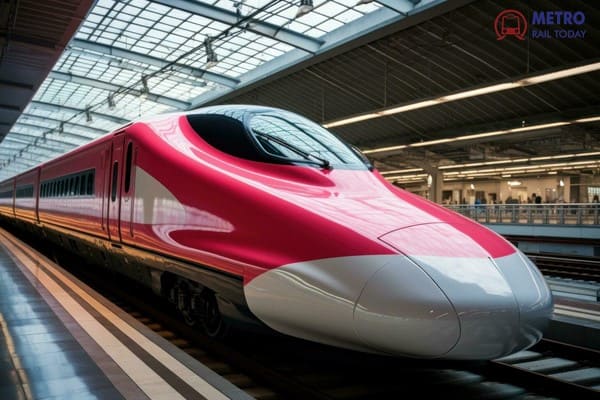 India targets production of indigenous 350 kmph High Speed Bullet Trains by 2030
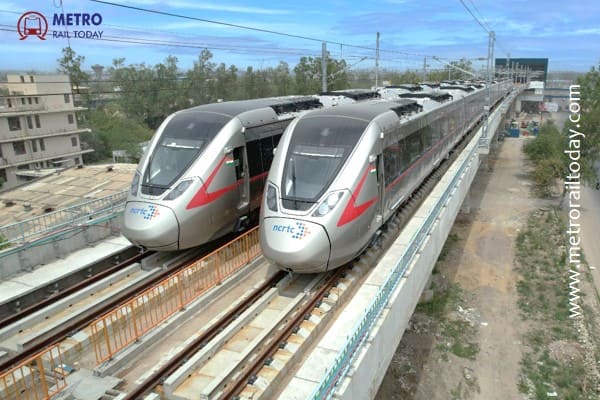 West Bengal proposes four RRTS Corridors linking Kolkata with South Bengal Cities
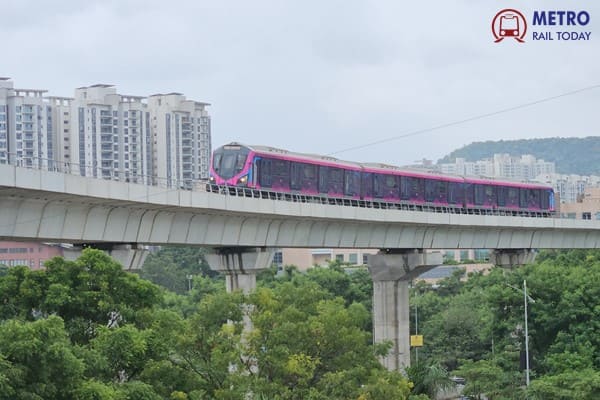 Pune Metro Line 3 targets September-end opening with 17 stations on Hinjawadi–Shivajinagar corridor
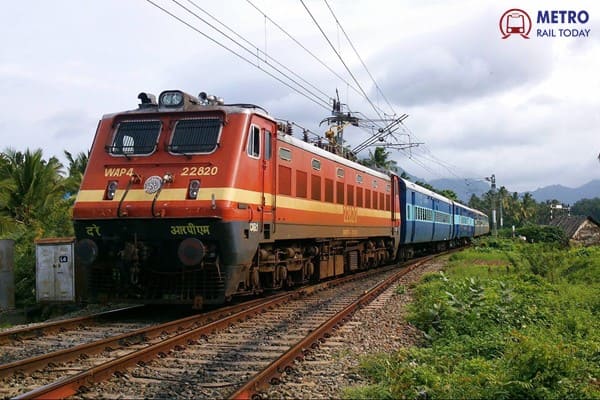 Jupiter Wagons Limited forms New Subsidiary to expand Railway Mobility Business
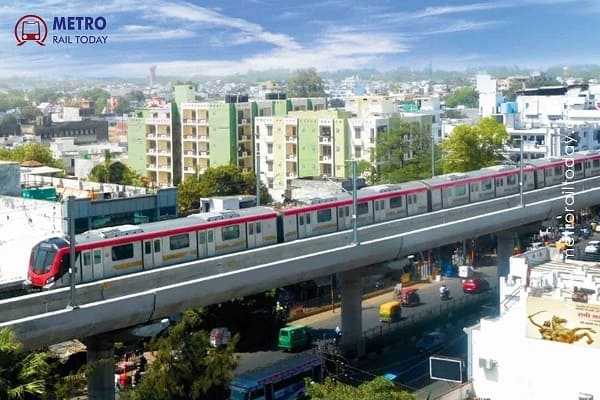 Five major firms bid for ₹1,878 crore Underground Section of Lucknow Metro Phase 1B Project
 DMRC focuses on Technology, Financial Sustainability and Global Expansion: Dr. Vikas Kumar
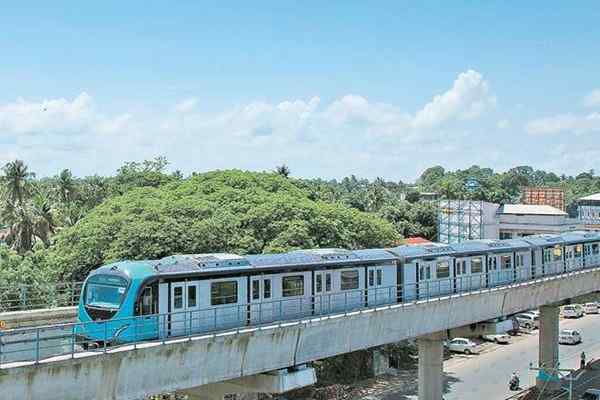 DMRC seeks opportunity to take up operation and maintenance of the Kochi Metro Rail network
NHSRCL acquired 100 per cent land for Mumbai-Ahmedabad High Speed Rail Corridor
Dr. Vinod Shah
Posted on: 2024-01-08 07:00:00
Viewer: 1,896
Comments: 0
Country: India
City: New Delhi
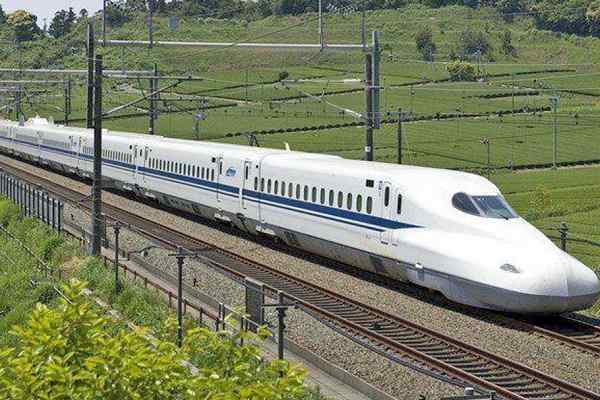
New Delhi, India (Metro Rail Today): The Mumbai-Ahmedabad High-Speed Rail Corridor has achieved a significant milestone with the completion of land acquisition, marking a crucial step forward for this ambitious project. Civil contracts for Gujarat and Maharashtra have been awarded, solidifying the commitment to bring high-speed rail connectivity to these states. As of January 8, 2024, the land acquisition status stands at 100%, encompassing Gujarat, Dadra and Nagar Haveli (DNH), and Maharashtra.
In Gujarat, various project milestones have been achieved. The viaduct, totaling 352 km, has seen progress in pile construction (343.9 km) and foundation work (294.5 km). The pier, including stations, covers 271 km, while excluding stations, it accounts for 268.5 km. A total of 3797 bridges are planned, with 152 km already cast. The launching of viaduct bridges has covered 120.4 km.
Special bridges, including long-span steel structures, are being constructed—17 in Gujarat and 11 in Maharashtra. All eight High-Speed Rail stations in Gujarat, including Vapi, Bilimora, Surat, Bharuch, Anand, Vadodara, Ahmedabad, and Sabarmati, are under construction, with completed foundation work.
In Maharashtra, work has commenced on the Mumbai HSR station, with excavation underway. Geo-tech work is in progress for the three stations in Maharashtra: Boisar, Virar, and Thane.
For the first time in India, the Mumbai-Ahmedabad High-Speed Rail Corridor will use the Japanese Shinkansen's MHSR track system, incorporating Reinforced Concrete (RC) track beds, departing from traditional J-slab ballastless track systems.
Noteworthy achievements include the completion of a 350-meter-long and 12.6-meter-wide tunnel near Jaroli village, Valsad, Gujarat, in just 10 months. The first steel bridge, measuring 70 meters in length and weighing 673 metric tons, has been erected in Surat, Gujarat, on NH 53. Out of the planned 28 bridges, 16 are in various stages of construction.
River crossings, including bridges over 24 out of the planned 28 rivers, have been completed. Notable progress is observed on crossings over major rivers like Narmada, Tapi, Mahi, and Sabarmati. The construction of India's first-ever undersea rail tunnel, spanning 7 kilometers beneath the Arabian Sea between Boisar and Shilphata in Maharashtra, has commenced.
As of January 8, 2024, several key achievements have been made in the Mumbai-Ahmedabad High-Speed Rail Corridor project:
Land Acquisition Status
- Overall Progress: 100% (1389.49 Ha)
- Gujarat: 100% (951.14 Ha)
- Dadra and Nagar Haveli: 100% (7.90 Ha)
- Maharashtra: 100% (430.45 Ha)
Progress in Gujarat
- Viaduct: Total - 352 km, Pile - 343.9 km, Foundation - 294.5 km
- Pier (Including Stations): 271 km
- Pier (Excluding Stations): 268.5 km
- Number of Bridges: 3797
- Bridge Casting: 152 km
- Viaduct (Launching of Bridges): 120.4 km
Special Bridges
Long Span Steel Structures: 28
- Gujarat: 17
- Maharashtra: 11
Stations and Depots
Gujarat
- All 8 HSR (High-Speed Rail) stations (Vapi, Bilimora, Surat, Bharuch, Anand, Vadodara, Ahmedabad, and Sabarmati) are under construction, progressing in different phases.
- The foundation work is complete for all 8 HSR stations.
Maharashtra
- Work has commenced on Mumbai HSR station, with excavation underway.
- Geo-tech work is in progress for the three stations in Maharashtra: Boisar, Virar, and Thane.
To minimize noise generated during train and civil structure operations, noise barriers are being installed on both sides of viaducts. The overall progress signifies a commitment to revolutionize rail travel in India, incorporating cutting-edge technology and adhering to project timelines.


Dr. Vinod Shah
Dr. Vinod Shah is an experienced urban transport journalist, blogger and key opinion leader.