


Trending Now
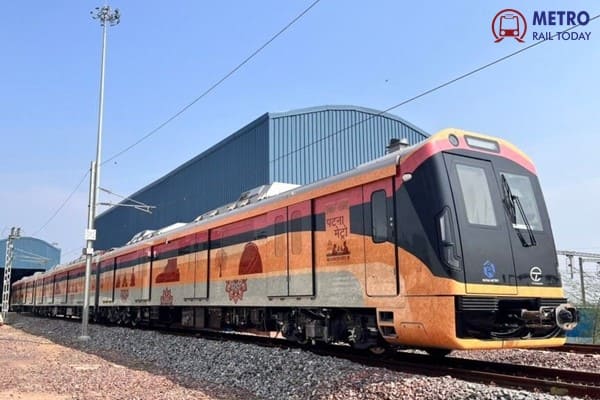 Govt of India allocates ₹628.32 crore additional fund for Patna Metro Rail Project
 Indian parliamentary panel seeks push for indigenous Bullet Train technology & global best practices
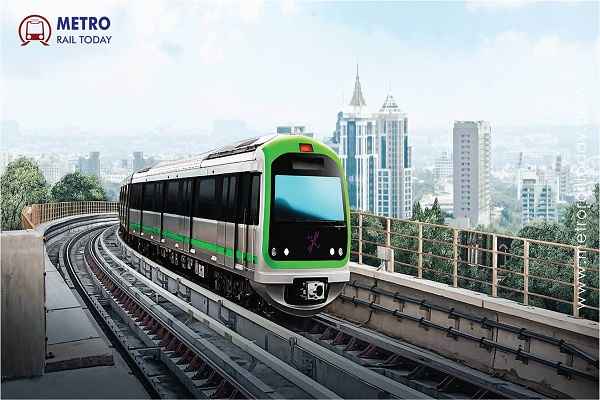 CAG flags major planning and financial irregularities in Bangalore Metro Phase 1 & 2
 Delhi's Indira Gandhi International Airport to build India’s First Driverless Air Train
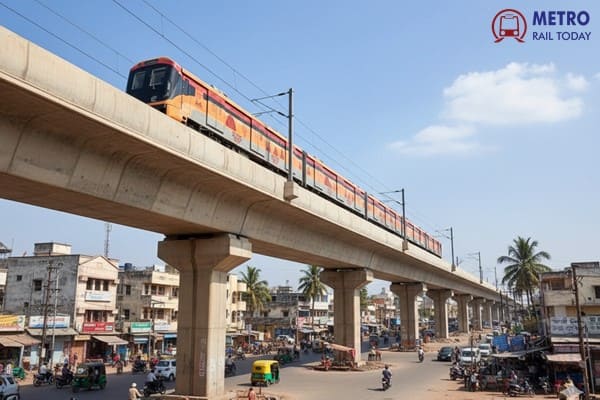 DMRC invites bids for ₹114.24 Crore AFC System Tender for Patna Metro Stations
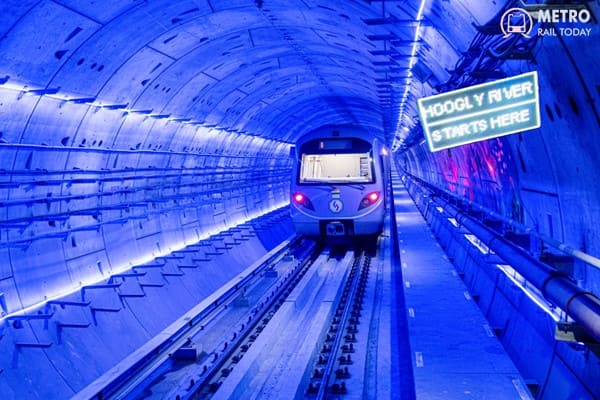 TBM Divya achieves major tunnel breakthrough at Victoria Station on Kolkata Metro’s Purple Line
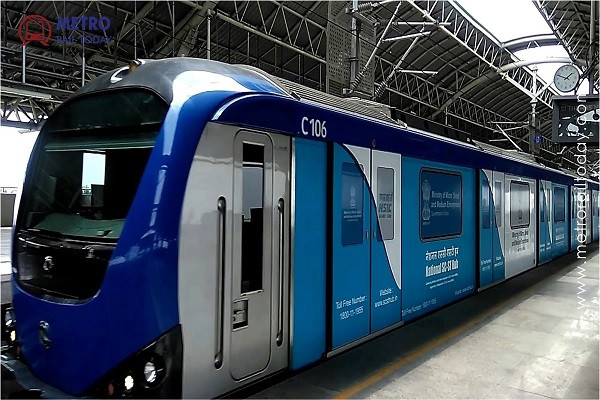 Hitachi Rail wins AFC System Tender for Corridor 3 & 5 of Chennai Metro Phase 2
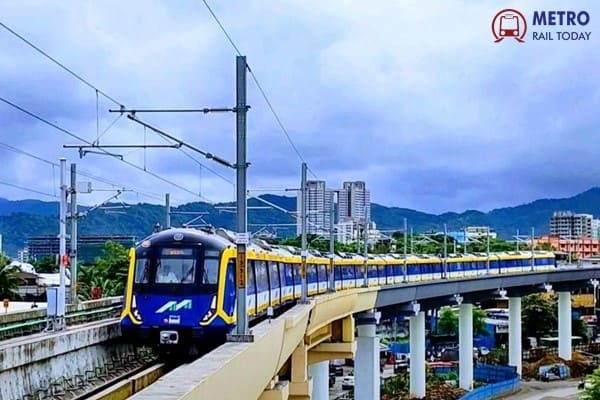 Maharashtra plans ₹4,500 crore Metro Corridor to connect Thane, Mumbra, Diva and Dombivli
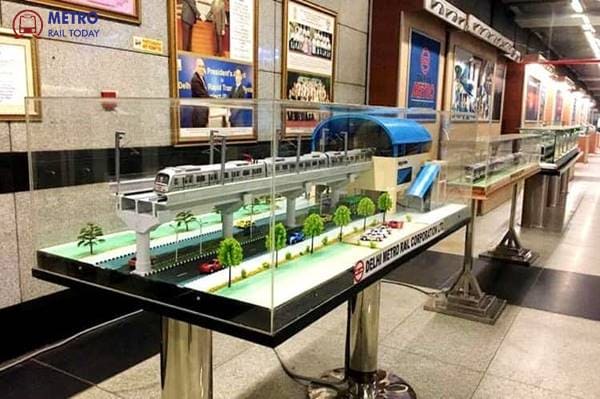 Delhi Metro International Limited sets sights on Global Metro Market with First Overseas Bids
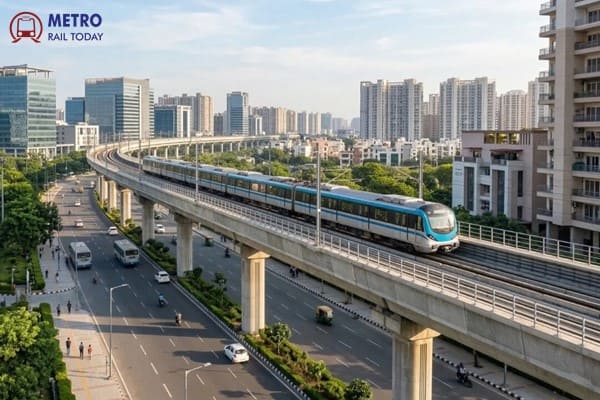 Maha Metro proposes ₹14,520 crore, 58-km Light Metro Rail Network for Nashik
The Evolution of Metro Rail: A Transformative Journey for Indian Cities
Dr. Vinod Shah
Posted on: 2023-08-18 06:30:00
Viewer: 9,452
Comments: 0
Country: India
City: New Delhi
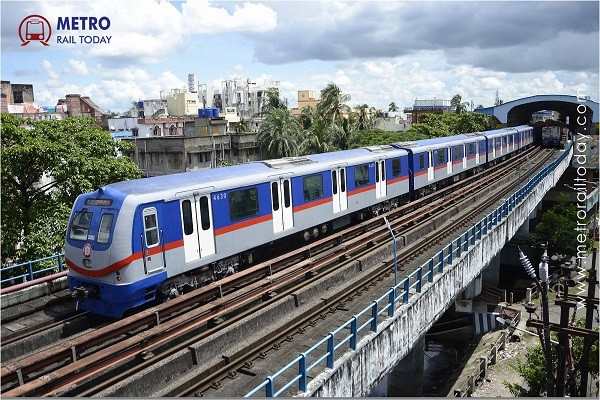
The inception of metro rail systems in India heralded not only a groundbreaking approach to urban transportation but also a paradigm shift in the way citizens navigate bustling cities. This comprehensive article delves into the transformative impact of metro rail systems on urban commuting in India, highlighting their historical significance, current status, challenges, and the path forward towards a sustainable and efficient urban transport landscape.
Pioneering the Metro Revolution: Kolkata and Delhi Metro
The debut of India's first metro rail service between Esplanade and Bhawanipur (now Netaji Bhavan) in Kolkata on October 24, 1984, marked a significant milestone in the country's transportation history. However, it wasn't just a novel form of public transit; it represented a new era of efficient, reliable, and sustainable commuting. A few years later, the Delhi Metro commenced operations on December 24, 2002, becoming the lifeline of the national capital. The advent of these metro systems laid the groundwork for reshaping urban transportation across the nation.
Progress and Expansion: The Metro Journey So Far
The journey of the metro rail in India can be traced back to the visionary proposal of an underground railway for Kolkata in 1949 by then Chief Minister BC Roy. The concept gained momentum, and by 1971, a master plan was drafted for a comprehensive mass rapid transit system. Despite its launch in 1984, the Kolkata Metro network spans only 47.9 km. In contrast, the Delhi Metro has burgeoned to encompass 349 km, extending its reach far beyond the city borders into Gurugram and Noida. Presently, India boasts a cumulative operational metro network spanning 866 km across 15 cities, with ambitious expansion plans on the horizon.
Glimpse into the Future: Ambitious Metro Expansion
India's metro revolution is poised for an expansive leap in the years to come. With 462 km of metro lines under construction, 372 km approved, and a whopping 1,056 km proposed, the nation is gearing up to establish an extensive metro network spanning approximately 2,750 km. This concerted effort to enhance urban connectivity and alleviate congestion underscores the transformative potential of metro systems in creating efficient, eco-friendly, and accessible modes of transportation.
The Vision of India's "Metro Man"
E Sreedharan, fondly known as India's "Metro Man," has played an instrumental role in shaping the metro landscape of the country. His contributions span designing the Kolkata Metro, executing the Delhi Metro, and involvement in projects across cities like Bengaluru, Kochi, Lucknow, and Jaipur. Sreedharan lauds the positive cultural shift that metro systems have brought to the country, transforming the way people travel and interact with urban transportation. However, he voices concern over the slower pace of expansion compared to global counterparts, highlighting the need for accelerated growth.
Addressing Challenges: Pathway to Expansion
While the metro rail systems have garnered praise, they face challenges that hinder their seamless expansion. A parliamentary standing committee report on metro rail projects in 2022 identified low ridership in operational systems like Bengaluru, Hyderabad, Lucknow, Chennai, Kolkata, and Kochi. It attributed this to faulty detailed project reports, inadequate planning for first and last-mile connectivity, insufficient parking provisions, and the necessity for expanding the catchment area. These insights serve as crucial inputs for the future development of metro projects.
A Policy Framework for Transformation
The Metro Rail Policy of 2017 provides a blueprint for fostering metro expansion across the nation. Under this framework, the central government extends financial assistance based on project feasibility and resource availability. Metro projects, often capital-intensive, require substantial investment. The allocated budgets for metro projects in recent years reflect this commitment, aiming to catalyze growth. The policy emphasizes multi-modal integration, last-mile connectivity, public-private partnerships, and transit-oriented development to enhance financial viability.
Striking the Balance: Social Service and Sustainability
Sreedharan highlights the dichotomy between perceiving the metro as a profit-making venture versus a social service. He emphasizes the need to prioritize accessibility, affordability, and sustainability over profit generation. The disparity in fare pricing, foreign loan components, and financial support from the government challenges the metro's growth potential. Sreedharan contends that the metro is an essential component of curbing road congestion, pollution, and enhancing the quality of urban life.
Metro as a Symbol of Progress and Inclusion
The metro rail stands as a testament to progress, inclusivity, and efficiency in urban transportation. It offers a reliable, affordable, and comfortable option for citizens of all backgrounds, reducing travel time, pollution, and congestion on the roads. The metro's impact goes beyond the boundaries of urban transit, echoing President Gustavo Petro's sentiment that a developed country is where the affluent embrace public transport. The metro's expansion is a step towards realizing this vision.
Embracing the Urban Future: Towards Sustainability
As India's population continues to grow, the significance of efficient transportation systems cannot be overstated. Metro rail systems serve as an epitome of sustainable urban mobility, offering respite from traffic woes and fostering a culture of responsible commuting. The expansion of metro networks, coupled with innovative transit modes and localized manufacturing, holds the promise of creating a more connected, accessible, and environmentally conscious urban future.


Dr. Vinod Shah
Dr. Vinod Shah is an experienced urban transport journalist, blogger and key opinion leader.