

Trending Now
 Paras Railtech wins ₹84.72 crore Ballastless Track Contract for Jaipur Metro Rail Project
 Indian Railways announces 3,548 Graduate-Level Vacancies under NTPC Recruitment 2026
 European Union sanctions €10 million to support extension of Hanoi Metro Line 3
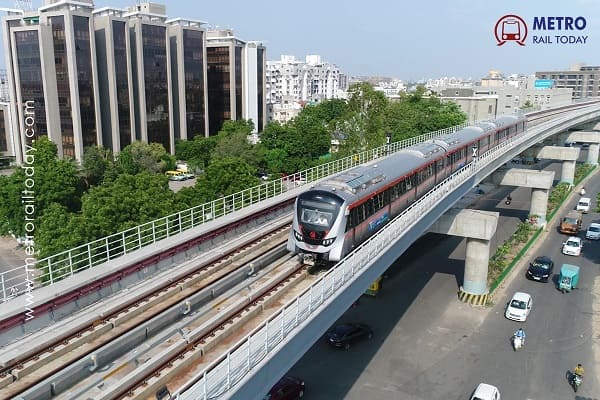 GMRC issues ₹683 crore Tender for construction of 8.68 km stretch for Ahmedabad Metro
- GMRC launches ₹439 crore Tender for construction of 5 New Ahmedabad Metro Stations
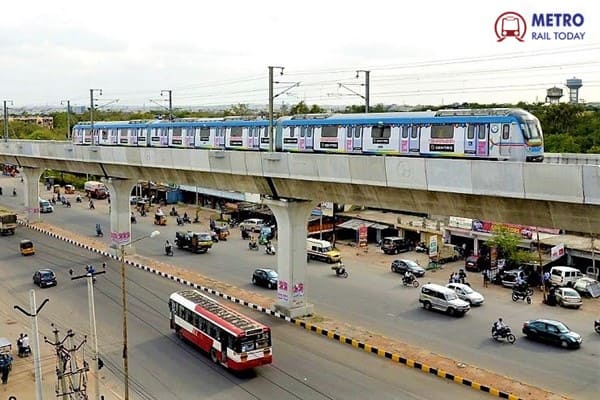 Global tender issued for procurement of 60 Rolling Stock coaches for Hyderabad Metro Rail Project
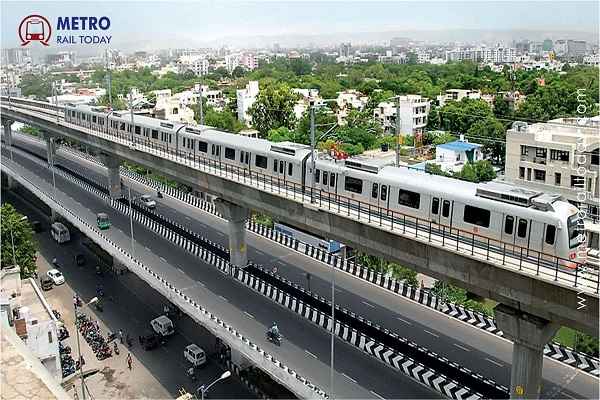 Global tender issued for procurement of 102 Rolling Stock coaches for Patna Metro Rail Project
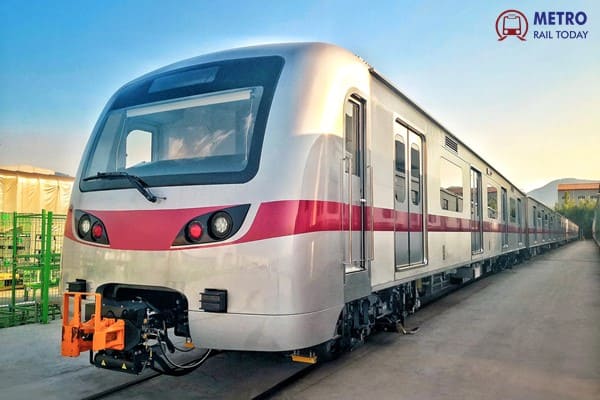 Gamuda awarded RM3.7 billion contract to build Keelung Mass Rapid Transit in Taiwan
 Maharashtra forms special Task Force to plan Rail, Metro and RRTS expansion
 Govt. of India approves ₹12,200 crore, 29-km Thane Integral Ring Metro project in Maharashtra
VinSpeed and Siemens sign €1 billion Turnkey Contract for Two High-Speed Rail Lines in Vietnam
MRT Online Desk
Posted on: 2026-09-22 16:50:00
Viewer: 1,949
Comments: 0
Country: Vietnam
City: Ha noi
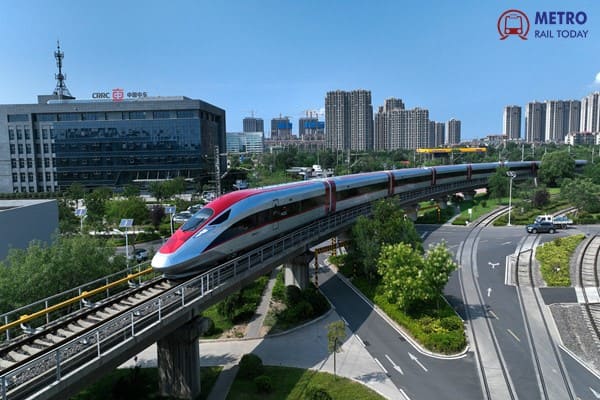
Hanoi, Vietnam (Rail & Metro Today): VinSpeed High-Speed Rail Investment and Development Joint Stock Company, a member of Vingroup, and Siemens Mobility GmbH have signed a turnkey contract valued at up to €1 billion for two high-speed rail lines in Vietnam. The agreement covers the Hanoi–Quang Ninh and Ben Thanh–Can Gio lines and marks a major step in VinSpeed’s plans to develop high-speed rail capabilities and modern transport infrastructure to international standards.
The contract follows the Comprehensive Strategic Cooperation and Technology Transfer Agreement signed by VinSpeed and Siemens Mobility in December 2025. It translates the companies’ strategic partnership into specific projects covering rolling stock, rail systems and associated technology.
Under the agreement, VinSpeed will be responsible for project development, track construction and civil works, while Siemens Mobility will act as the technology partner, supplying high-speed trains, rail systems and technical expertise.
Two High-Speed Rail Lines
Siemens Mobility will supply 10 Velaro Novo high-speed trains for the two projects, with the systems to be delivered in phases.
The proposed Hanoi–Quang Ninh line will extend for approximately 121 km and include four stations. The Ben Thanh–Can Gio line will cover around 54 km and include two stations. Siemens Mobility will also provide communications and electrification systems as part of the contract.
The two projects represent a combined proposed route length of approximately 175 km, connecting Vietnam’s major urban and emerging economic areas through dedicated high-speed rail infrastructure.
Velaro Novo Trains Designed for 350 kmph
A key element of the contract is Siemens Mobility’s Velaro Novo, its next-generation distributed-power electric multiple unit (EMU). The train has a maximum design speed of 350 kmph and is designed to combine higher passenger capacity with improved energy efficiency.
Each approximately 200-metre-long trainset will consist of seven cars and accommodate 760 passengers. According to Siemens Mobility, its wider body and “empty tube” structural design provide at least 10% more passenger capacity compared with previous generations of Velaro trains.
The company also states that Velaro Novo consumes approximately 30% less energy than previous models, supporting the emphasis on energy-efficient high-speed rail operations.
ATO and ETCS Level 2 Integration
The trainsets will incorporate Automatic Train Operation (ATO) integrated with an European Train Control System (ETCS) Level 2 signalling platform.
The combination is designed to optimise train spacing and improve the precision of train operations through automated management of speed, acceleration and braking. According to the companies, the planned deployment would represent the world’s first application of ATO over ETCS in a national high-speed rail network.
The technology is expected to support operational efficiency while contributing to energy savings and more consistent train performance.
VinSpeed and Siemens Partnership
Pham Thieu Hoa, CEO of VinSpeed, said the agreement represents an important step towards implementing the company’s proposed high-speed rail lines.
“The combination of VinSpeed’s project implementation capabilities with Siemens Mobility’s advanced rail technology and global experience will provide a foundation for bringing modern, efficient and sustainable operating solutions to the new rail lines, while laying the groundwork for the development of an integrated high-speed transport system in Vietnam,” Hoa said.
Michael Peter, CEO of Siemens Mobility, said Vietnam was entering a new phase of mobility development and highlighted the combination of Velaro Novo trains, ETCS Level 2 signalling and advanced electrification.
The Siemens Mobility CEO said the Velaro Novo consumes 30% less energy than previous models and provides more than 10% additional passenger capacity, describing the partnership as part of the company's support for modernising transport infrastructure and promoting sustainable economic development.
Building Vietnam’s High-Speed Rail Ecosystem
VinSpeed was established as part of Vingroup’s infrastructure business with a focus on developing high-speed rail and modern transport infrastructure in Vietnam. The company aims to apply international standards of technology, operational efficiency and sustainability to future transport projects.
For Siemens Mobility, the agreement expands its role in Vietnam’s railway modernisation. Siemens has operated in the country since 1993, providing technologies across several sectors, including transportation.
In the rail sector, the company provides rolling stock, rail infrastructure, digital solutions, software and turnkey systems for passenger and freight transportation. Siemens Mobility and VinSpeed signed their Comprehensive Strategic Partnership and Framework Agreement in December 2025, establishing the foundation for future high-speed rail contracts.
The latest turnkey agreement now moves that cooperation into project implementation, combining VinSpeed’s responsibility for civil and track works with Siemens Mobility’s high-speed rail technology, rolling stock, electrification, communications and signalling capabilities.
With Velaro Novo trains capable of speeds of up to 350 kmph and the planned integration of ATO with ETCS Level 2, the projects are positioned to introduce advanced high-speed rail technology into Vietnam while supporting the country's broader ambition to develop an integrated modern railway network.

MRT Online Desk
Metro Rail Today is an authentic and global news provider for the Rail & Metro industry from and around the world.