

Trending Now
 Alstom to deploy DTG Signalling System for Jaipur Metro’s 5.2-km Phase-1 Extension
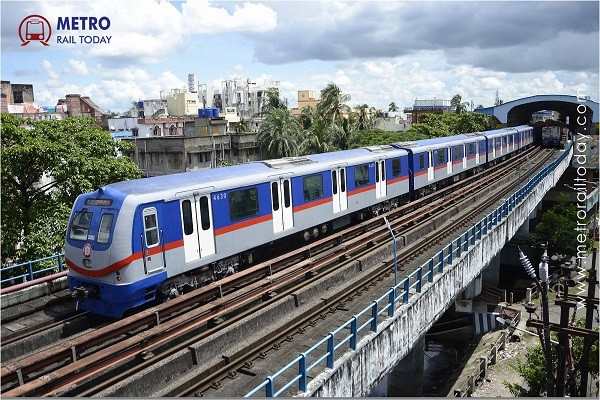 RVNL floats ₹297.45-crore Power Systems Tender for Kolkata Metro Purple Line
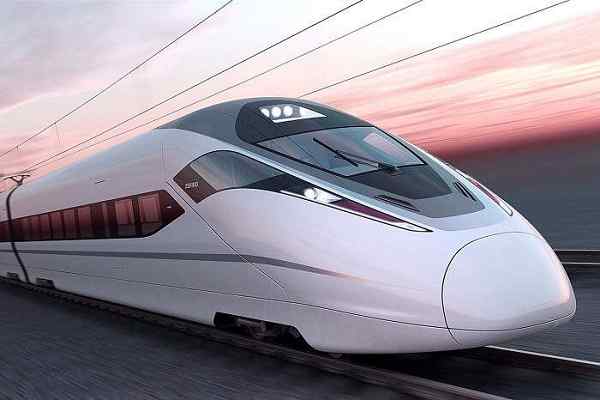 Siemens Mobility awarded $772 million Trainset Contract for California High-Speed Rail Project
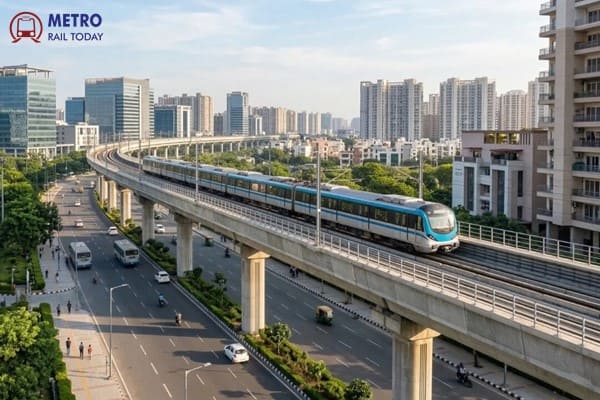 RITES submits fresh DPR to UPMRC for ₹12,000 crore Prayagraj Metro Rail Project
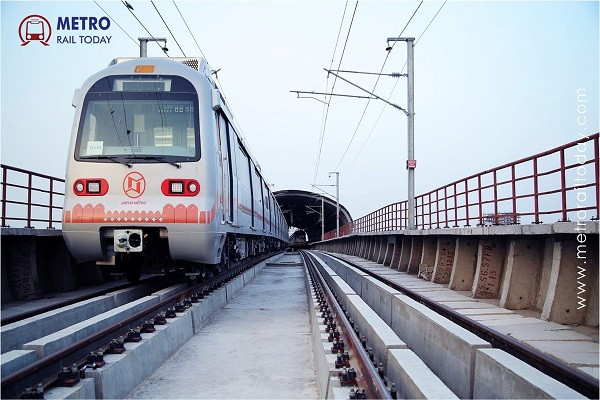 Paras Railtech wins ₹84.72 crore Ballastless Track Contract for Jaipur Metro Rail Project
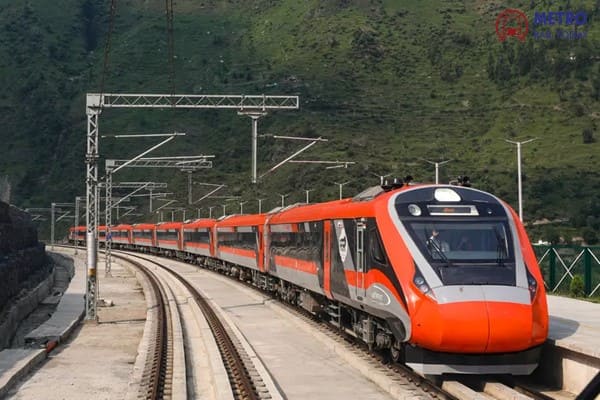 Indian Railways announces 3,548 Graduate-Level Vacancies under NTPC Recruitment 2026
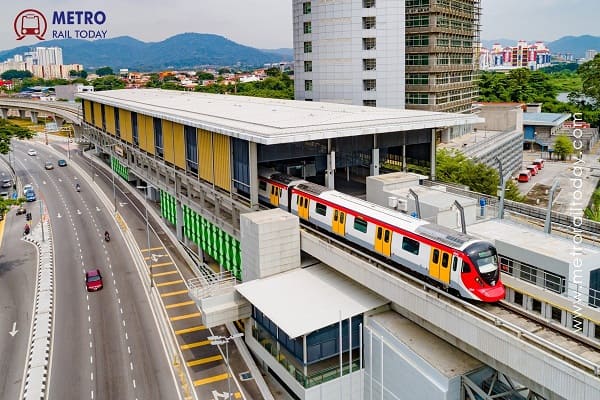 European Union sanctions €10 million to support extension of Hanoi Metro Line 3
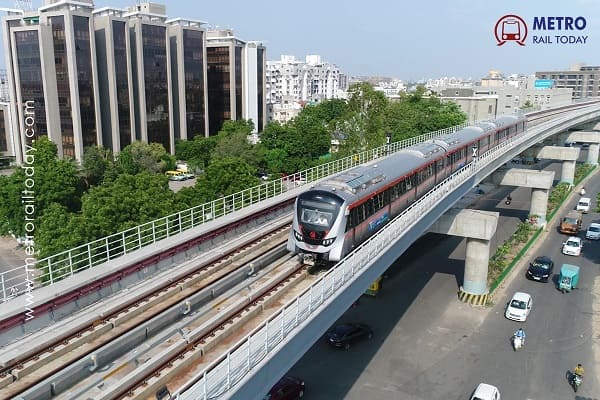 GMRC issues ₹683 crore Tender for construction of 8.68 km stretch for Ahmedabad Metro
- GMRC launches ₹439 crore Tender for construction of 5 New Ahmedabad Metro Stations
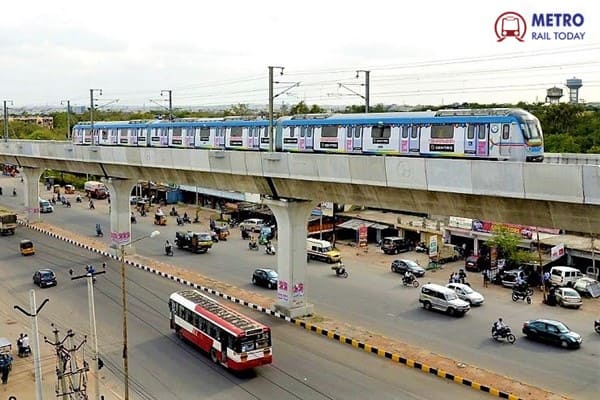 Global tender issued for procurement of 60 Rolling Stock coaches for Hyderabad Metro Rail Project
Alstom’s Madhepura Locomotive Project Generates ₹60,000 Crore Economic Output: Study Report
MRT Online Desk
Posted on: 2026-08-19 11:09:00
Viewer: 1,137
Comments: 0
Country: India
City: Madhepura
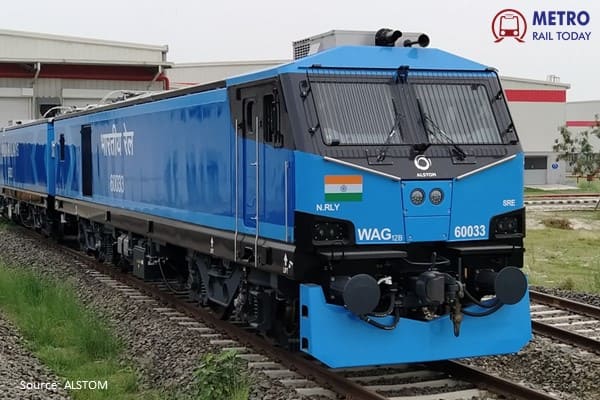
Madhepura, India (Rail & Metro Today): Alstom has released a Socio-Economic Impact Assessment of Madhepura Electric Locomotive Private Limited (MELPL), its joint venture with Indian Railways, highlighting the significant economic, industrial and social impact of the project on Bihar and India’s railway sector.
The study, covering the period from FY2020 to FY2026, shows that the Madhepura locomotive project has supported approximately ₹60,000 crore in total economic output and generated ₹23,800 crore in Gross Value Added (GVA) for the Indian economy.
MELPL is a joint venture between the Ministry of Railways and Alstom and represents one of the largest foreign direct investment initiatives in India’s railway sector. The project involves the manufacture and maintenance of 800 high-powered WAG-12B electric locomotives, each with a capacity of 12,000 HP, at Alstom’s integrated manufacturing facility in Madhepura, Bihar.
Madhepura project drives Bihar’s industrial transformation
The impact assessment highlights the project's growing contribution to Bihar’s economy. In FY2024, MELPL’s GST contribution was equivalent to 1% of Bihar’s total GST collections, while its direct GVA accounted for 4.6% of Madhepura’s district GDDP.
The project has helped transform Madhepura from an economy traditionally dominated by agriculture into an emerging industrial and manufacturing hub.
The facility has also created an average of 2,300 jobs annually across India, with MELPL’s direct workforce accounting for around 12% of all registered factory jobs in Madhepura district.
Commenting on the project, Olivier Loison, Managing Director, India, Alstom, said the joint venture represents a landmark development in India's rail modernisation journey.
“This JV is a landmark moment in India’s rail modernisation story and we are honoured to be a part of it. The report showcases not only the business and economic impact but also the human value creation this project has delivered so far.”
More than 90% localisation achieved
The Madhepura facility has achieved nearly 90% localisation, helping establish a domestic supply chain for advanced railway technology and strengthening India's capabilities in high-powered electric locomotive manufacturing.
The WAG-12B Prima T8 locomotive has made India the sixth country globally capable of producing 12,000 HP electric locomotives domestically, according to Alstom.
The locomotives are particularly important for India's freight modernisation programme and are being deployed on the country's Dedicated Freight Corridors.
Supporting India’s freight decarbonisation goals
The study also highlights MELPL’s contribution to the environmental objectives of Indian Railways. The high-powered electric locomotives are designed to support the movement of heavier freight loads at higher speeds, improving the efficiency of rail freight operations.
Their deployment on Dedicated Freight Corridors is expected to support the National Rail Plan's objective of increasing rail's freight modal share to 45%, while helping reduce logistics costs and carbon emissions.
Chhatrasal Singh, General Manager, East Central Railway, said MELPL has created both industrial and social value in Bihar.
“MELPL is at the forefront of not only industrial value creation but also deep human impact in Bihar. We congratulate the MELPL and Alstom team on building a credible ecosystem and meaningfully quantifying the impact through the study.”
Women’s employment and local skill development
Beyond economic indicators, the assessment highlights MELPL’s contribution to social development and employment.
The Madhepura facility has supported women entering traditionally male-dominated technical roles. Notably, the project qualified the first female locomotive pilot in Alstom’s Asia-Pacific operations, marking an important milestone for gender inclusion in the railway sector.
The facility has also attracted skilled professionals back to their home region, helping reverse migration trends and creating opportunities for local talent.
Vivek R Garg, Managing Director, MELPL & Services, Alstom, said the project's biggest achievement was the development of local talent and communities.
“We came to Madhepura with a vision to build world-class locomotives, but the story we are proudest to tell today is one of partnership and shared prosperity with the people of Bihar.”
₹17 crore invested in CSR initiatives
MELPL has invested more than ₹17 crore in corporate social responsibility initiatives in Madhepura.
Its programmes have provided healthcare services to nearly 10,000 patients through mobile healthcare initiatives, while modern STEAM education programmes have reached more than 2,000 students.
The company has also supported livelihood opportunities for more than 1,700 rural residents through various community development initiatives.
Strengthening India’s railway manufacturing ecosystem
The Madhepura project represents a broader shift in India's railway manufacturing landscape, combining foreign technology and investment with domestic production, localisation and workforce development.
With more than 90% localisation and domestic manufacturing of 12,000 HP locomotives, MELPL has emerged as a significant example of India's Make in India and Atmanirbhar Bharat ambitions in the railway sector.
The project is also strengthening India's position in advanced locomotive manufacturing while supporting the country's transition towards more efficient and sustainable freight transportation.
As India expands its Dedicated Freight Corridor network and seeks to shift a greater share of freight from road to rail, the Madhepura facility is expected to remain an important part of the country's long-term freight modernisation and railway decarbonisation strategy.


MRT Online Desk
Metro Rail Today is an authentic and global news provider for the Rail & Metro industry from and around the world.