


Trending Now
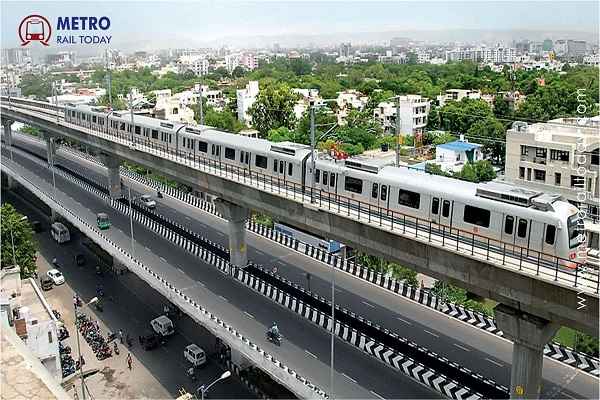 Alstom to deploy DTG Signalling System for Jaipur Metro’s 5.2-km Phase-1 Extension
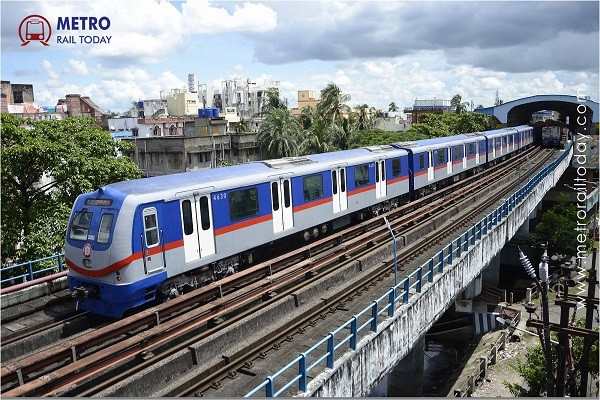 RVNL floats ₹297.45-crore Power Systems Tender for Kolkata Metro Purple Line
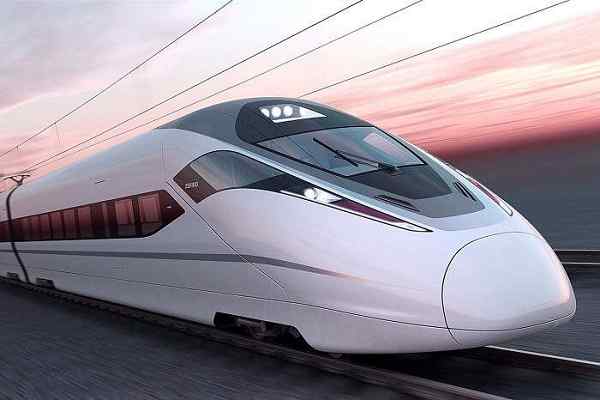 Siemens Mobility awarded $772 million Trainset Contract for California High-Speed Rail Project
 RITES submits fresh DPR to UPMRC for ₹12,000 crore Prayagraj Metro Rail Project
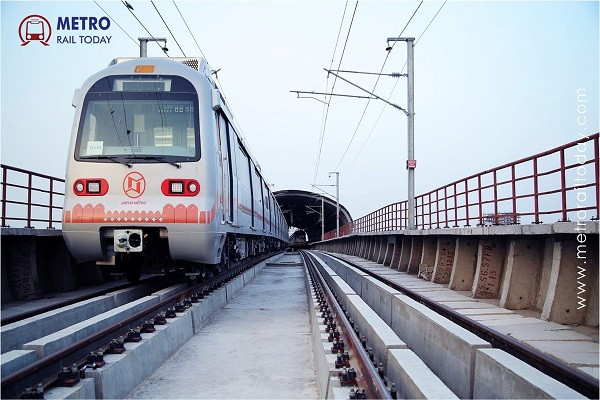 Paras Railtech wins ₹84.72 crore Ballastless Track Contract for Jaipur Metro Rail Project
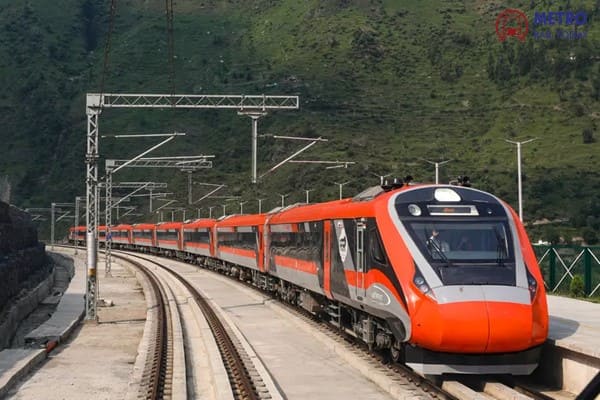 Indian Railways announces 3,548 Graduate-Level Vacancies under NTPC Recruitment 2026
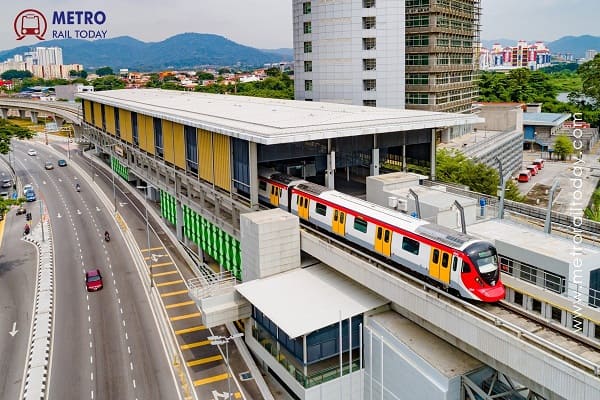 European Union sanctions €10 million to support extension of Hanoi Metro Line 3
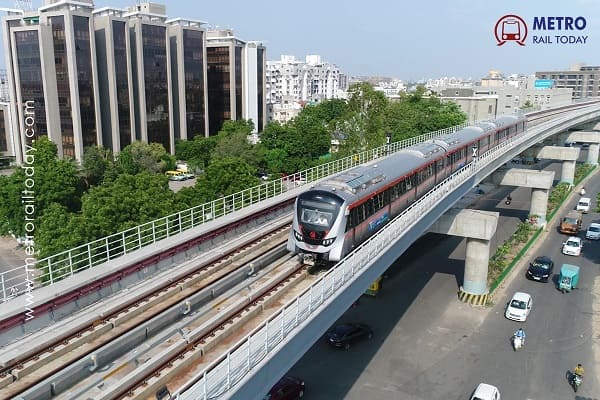 GMRC issues ₹683 crore Tender for construction of 8.68 km stretch for Ahmedabad Metro
- GMRC launches ₹439 crore Tender for construction of 5 New Ahmedabad Metro Stations
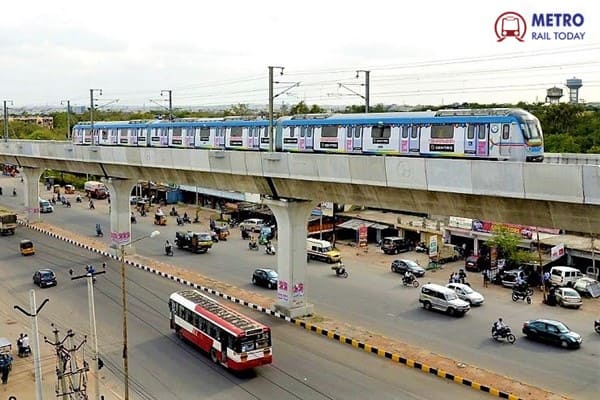 Global tender issued for procurement of 60 Rolling Stock coaches for Hyderabad Metro Rail Project
Delhi Metro completes High-Risk Tunnelling under Red Line by using TAM grouting technique
MRT Online Desk
Posted on: 2025-11-30 16:30:00
Viewer: 2,465
Comments: 0
Country: India
City: New Delhi
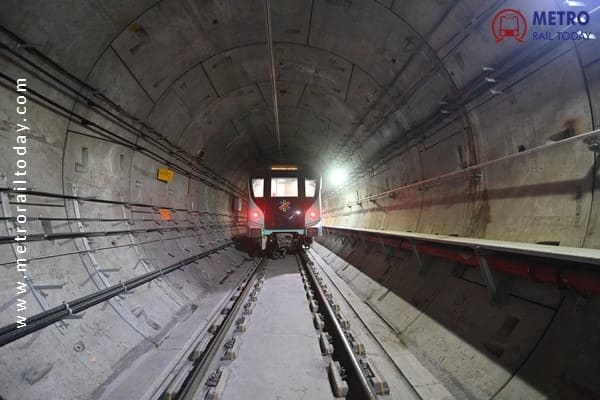
New Delhi, India (Metro Rail Today): In a significant engineering breakthrough for Delhi Metro’s Phase IV expansion, the Delhi Metro Rail Corporation (DMRC) has successfully completed a highly sensitive tunnelling operation beneath the operational Red Line at Pulbangash—without causing any interruption to metro services. The newly constructed tunnel forms part of the Janakpuri West–RK Ashram Marg extension of the Magenta Line and will link the Pulbangash and Sadar Bazar section.
According to DMRC officials, the Red Line continued to carry its regular seven lakh daily passengers throughout the operation, even as a tunnel boring machine (TBM) worked directly below the elevated viaduct. The engineering challenge was amplified by the location’s structural conditions—the Red Line is supported by open foundations and a balanced cantilever span, making any underground activity extremely sensitive.
Advanced Ground Stabilisation Ensured Safe Tunnelling
To address the risks, DMRC implemented a comprehensive ground-strengthening plan around the critical pier. Engineers deployed the Tube-a-Manchette (TAM) grouting technique, creating 180 boreholes around the pier and injecting high-strength cement grout to stabilise the soil, fill potential voids and prevent settlement during TBM operations.
Real-time monitoring instruments were installed across the site to track ground movement, pier stability and the condition of nearby buildings. Officials confirmed that the down-line tunnel has been completed, while work on the up-line tunnel is progressing under the same stringent safety measures.
A Critical Operation for a High-Demand Corridor
The Red Line remains one of Delhi Metro’s busiest corridors, and any disruption could have caused significant inconvenience to commuters. DMRC noted that the operation was executed with “extraordinary precision,” reflecting the agency’s growing expertise in complex urban tunnelling.
Commenting on the achievement, Mrs. Mamta Shah, MD & CEO, Urban Infra Group, said:
“This milestone showcases the maturity of India’s metro engineering capabilities. Completing tunnelling beneath an active, high-capacity corridor without halting services demonstrates exceptional planning and technical excellence. Delhi Metro continues to set benchmarks for urban transit construction in densely built environments.”
She added that such innovations are vital as more Indian cities adopt underground and semi-underground solutions to manage growing transit needs.
The Tube-à-Manchette (TAM) grouting method is an advanced and precise geotechnical engineering technique for ground improvement, enabling targeted and repeatable injection of grout into specific soil or rock zones. It offers significant control over grout placement and can be used for soil stabilization, groundwater control, and structural support.


MRT Online Desk
Metro Rail Today is an authentic and global news provider for the Rail & Metro industry from and around the world.