


Trending Now
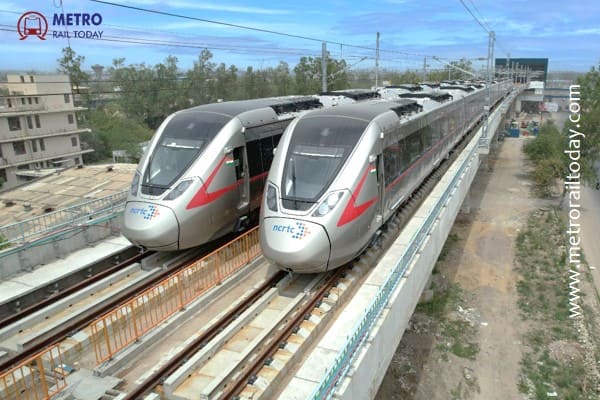 Karnataka proposes 270-km RRTS Network linking Bengaluru with Tumakuru, Mysuru and KGF
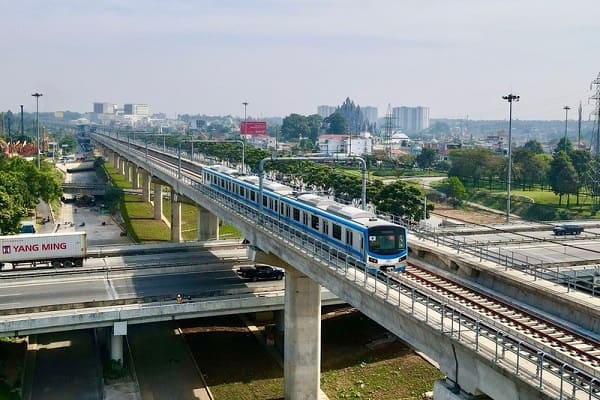 Alstom and Vingroup sign MoU to supply up to 200 Metro Trains for Hanoi Urban Rail Projects
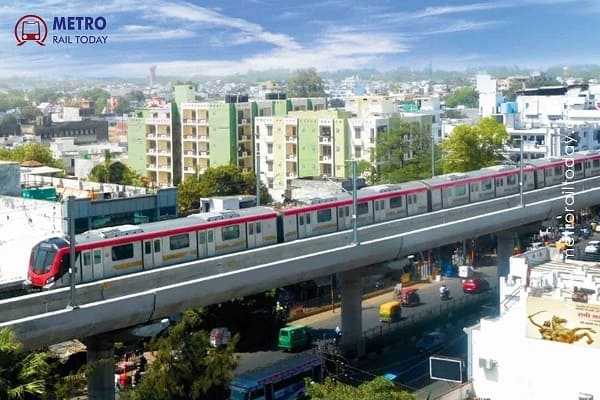 Afcons Infrastructure wins ₹1,383 crore Civil Contract for Lucknow Metro Phase 1B Corridor
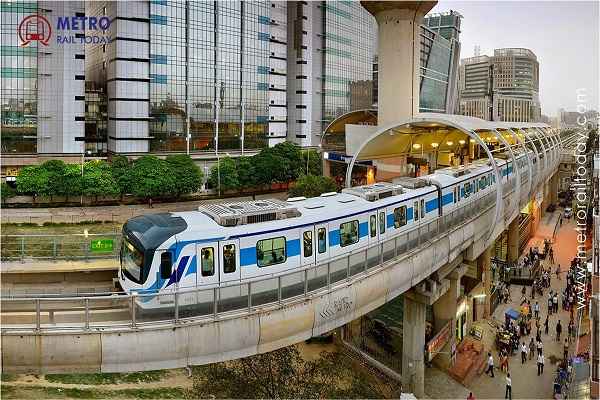 GMRL issues ₹1,662 crore Civil Tender for Sector 9–Cyber City Gurugram Metro Rail Corridor
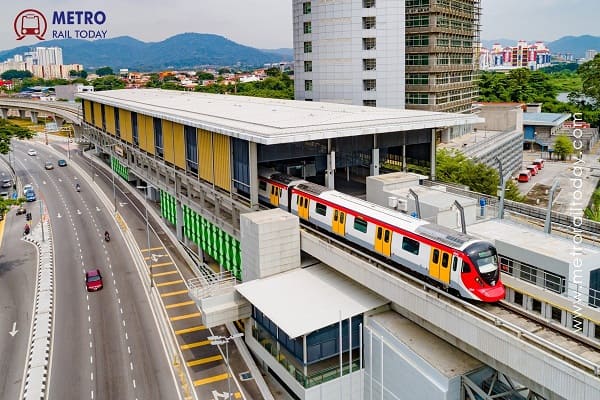 Madrid unveils €1.57 billion Metro Rail Expansion Programme with 27.8 km of New Corridors
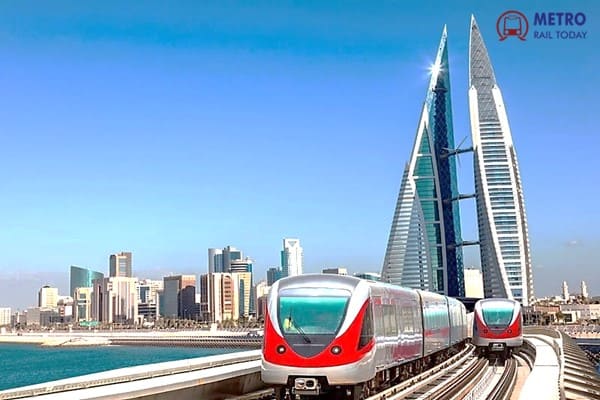 Global Tender launched for Project Management Consultancy for Abu Dhabi Tram Line 4
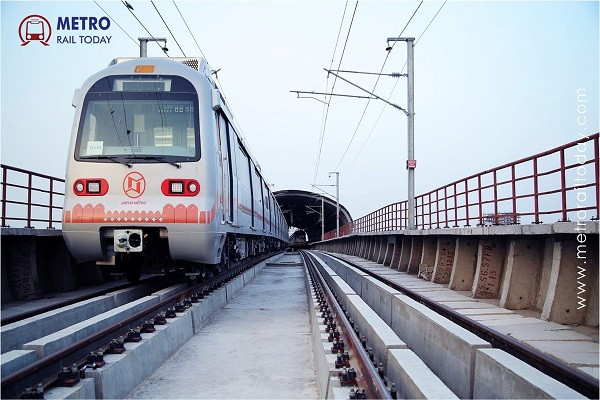 NV Dynamics awarded Noise and Vibration Study contract for Jaipur Metro Phase 2 Project
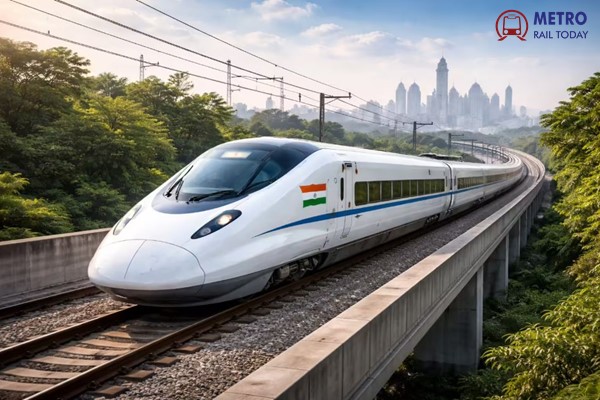 Two global consortia bid for India’s 350 kmph High-Speed Rail Design consultancy contract
 Larsen & Toubro (L&T) extends Hyderabad Metro stake sale timeline to 31 December 2026
 Haryana Govt approves ₹1,662 crore construction tender for Gurugram Metro Phase 2
Dubai unveils Glydways Driverless Pods to connect Metro with major destinations
MRT Online Desk
Posted on: 2026-02-03 15:15:00
Viewer: 1,569
Comments: 0
Country: United Arab Emirates
City: Dubai

Dubai, UAE (Metro Rail Today): In a bold step towards redefining urban transportation, Dubai’s Roads and Transport Authority (RTA) has officially unveiled Glydways, an innovative autonomous transit system, at the World Governments Summit 2026. Designed to operate above or alongside existing roads on narrow dedicated guideways, the driverless system promises congestion-free, on-demand mobility and represents a major leap in Dubai’s smart city ambitions.
According to RTA officials, the first phase of Glydways operations is expected to commence within the next four months, aligning with Dubai’s strategic objective to make 25% of all trips autonomous by 2030. The system introduces compact, electric, self-driving pods that bypass conventional traffic bottlenecks entirely.
What Are Glydways Autonomous Pods?
Glydways pods are small, sleek electric vehicles capable of carrying four to six passengers per trip. Operating without a human driver, they rely on advanced sensors, cameras, and automated control systems to ensure safe and efficient navigation. The pods are designed for on-demand travel, allowing passengers to board as required rather than follow fixed schedules.
With operating speeds of up to 50 kmph and long-range battery performance, the system is ideally suited for short-to-medium distance travel. As a fully electric solution, Glydways produces zero direct emissions, reinforcing Dubai’s sustainability goals while supporting cleaner urban transport alternatives.
Solving the Last-Mile Challenge
A key focus of the Glydways initiative is addressing the long-standing “last-mile” connectivity gap—the often inconvenient distance between metro stations and final destinations. By offering seamless links to residential districts, commercial centres, tourist attractions, and business hubs, the system aims to make public transport more attractive, efficient, and commuter-friendly.
The RTA has confirmed that the pods are designed with inclusivity in mind, ensuring ease of access for senior citizens and people of determination, further strengthening Dubai’s commitment to equitable urban mobility.
Initial Routes and Urban Integration
The initial rollout will prioritise some of Dubai’s busiest commercial and tourism-driven zones, connecting metro stations with major destinations such as Bluewaters Island, Umm Suqeim, Al Quoz, and Dubai Festival City. These corridors have been carefully selected to maximise ridership and demonstrate the system’s effectiveness in high-demand urban environments.
Commenting on the development, Mrs. Mamta Shah, Managing Director & CEO, Urban Infra Group, said Dubai’s move highlights the next evolution of urban transit globally.
“Glydways represents a significant shift in how cities approach last-mile and feeder connectivity. By combining autonomous technology with dedicated right-of-way infrastructure, Dubai is demonstrating how congestion, emissions, and urban sprawl can be addressed simultaneously. Such systems are likely to complement metro and mass transit networks worldwide, particularly in dense, high-growth cities,” she said.
A Glimpse into the Future
Dubai’s autonomous mobility push extends beyond Glydways, with air taxis scheduled for launch in late 2026, reinforcing the emirate’s position as a global testbed for next-generation transport solutions. As RTA Director-General Mattar Al Tayer has noted, smart mobility is not just about technology, but about enhancing the overall quality of life for residents and visitors.
With Glydways entering real-world operations soon, Dubai is not merely easing traffic—it is setting a blueprint for connected, driverless urban transport systems that cities around the world may soon look to replicate.

MRT Online Desk
Metro Rail Today is an authentic and global news provider for the Rail & Metro industry from and around the world.